Well, the marketing says grit-face paddles are the fastest way to add spin to your game, but is that true after a few months of real play? I've been tracking spin rates since 2019, and I've got a log full of paddles that grabbed the ball beautifully on day one, then turned into a slick surface by week eight.
Grit wears out, and some of these "carbon friction" faces are just painted-on texture that disappears faster than a dink in the wind.
I've spent the last three months cycling through six of the most hyped spin paddles on the market. I play three times a week, coach at a club with 400 members, and my 65-pound golden retriever, Wrigley, has approved the packaging on all of them. Here's the short list of what survived my testing, and what didn't.
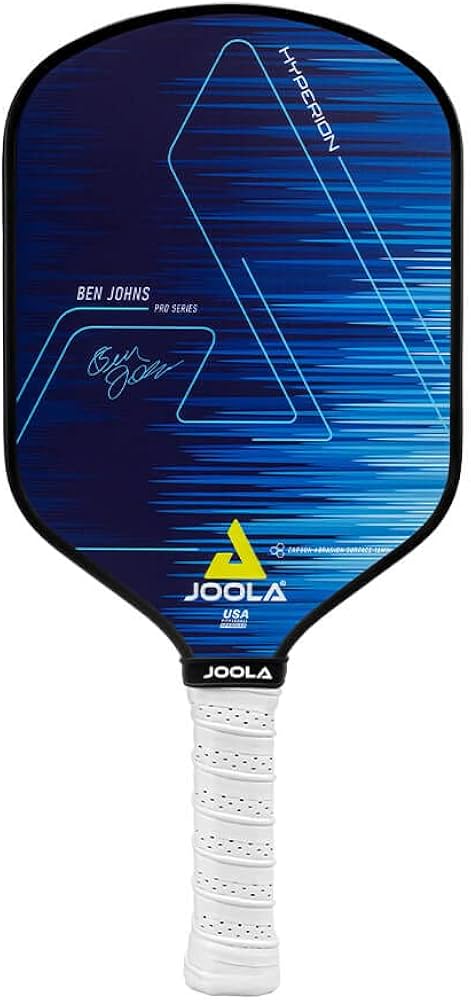
JOOLA Ben Johns Hyperion Pickleball Paddle - Select Raw Carbon Surface or Carbon Abrasion Surface for Increased Power and Spin - Elongated Grip Handle - Carbon Fiber Pickleball Paddle - USAP Approved
Insane spin on cuts and slices, foam-injected edge for a huge sweet spot
Visit on Amazon →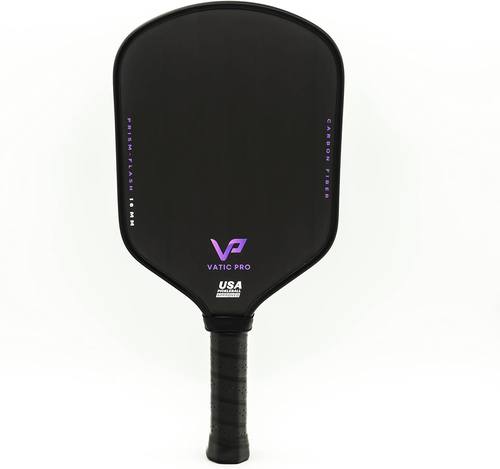
Vatic Pro Prism Carbon Fiber 16mm - Foam Injected Walls - Includes Paddle Cover
Foam-injected walls, carbon fiber face, includes cover
Visit on Amazon →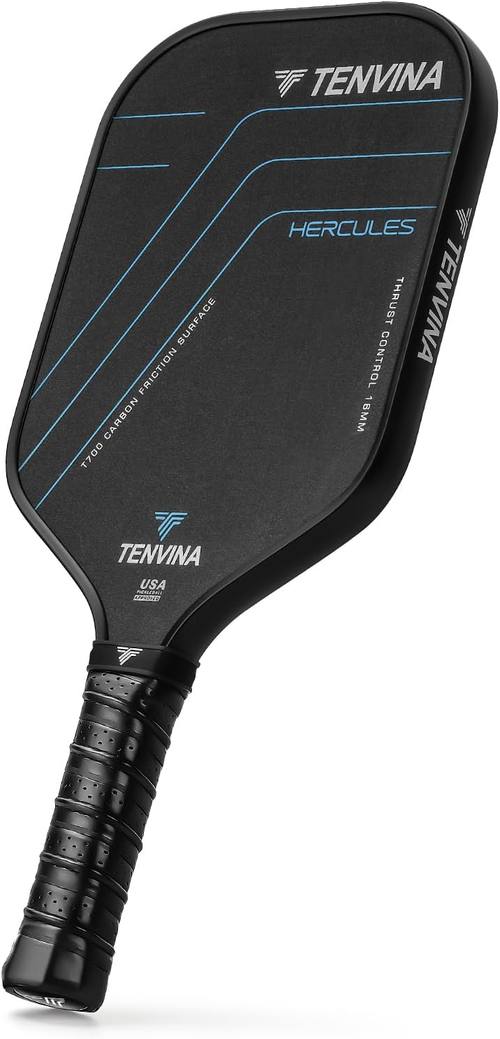
TENVINA Pickleball Paddles, Multi-Layer T700SC Textured Carbon Fiber Pickleball Paddle, Pickle Ball Paddle with Strong Spin & Power Surface, USAPA Approved, 4-Types of Shapes and Thicknesses
T700SC face holds texture well, plays like a Check price paddle
Visit on Amazon →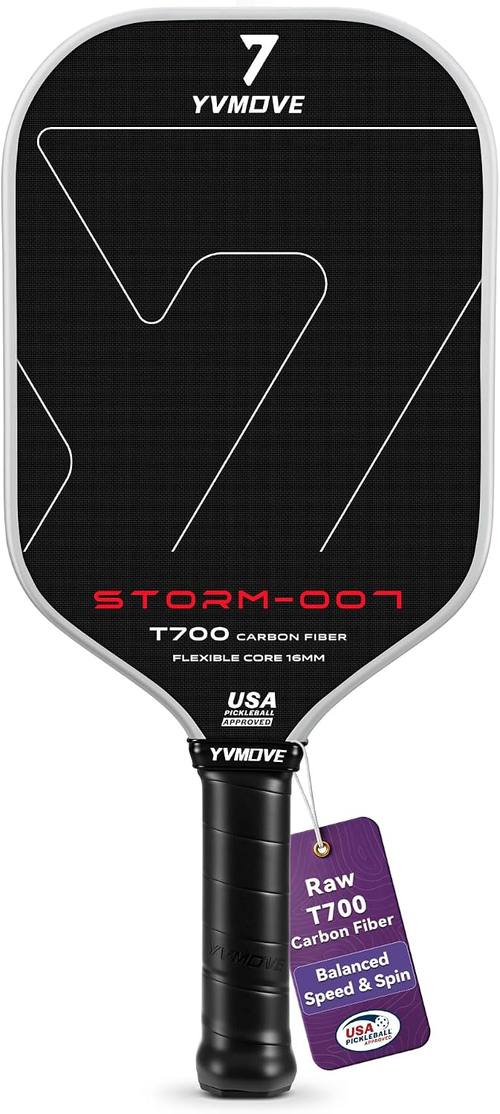
YVmove 16mm Kevlar T700 Carbon Fiber Pickleball Paddle, USAPA Approved
Kevlar weave adds durability, spin is solid for the price
Visit on Amazon →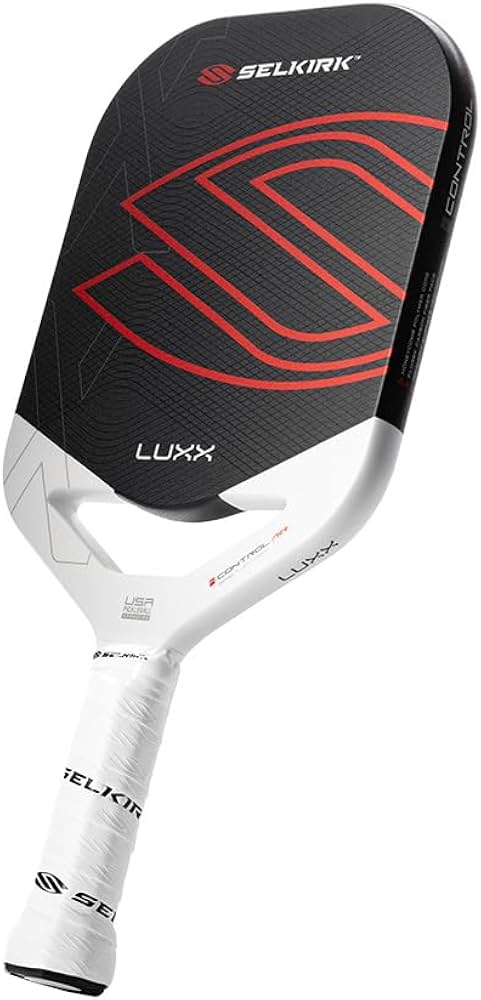
Selkirk Sport LUXX Control Pickleball Paddle | Carbon Fiber InfiniGrit
InfiniGrit surface is the real deal, control-focused feel
Visit on Amazon →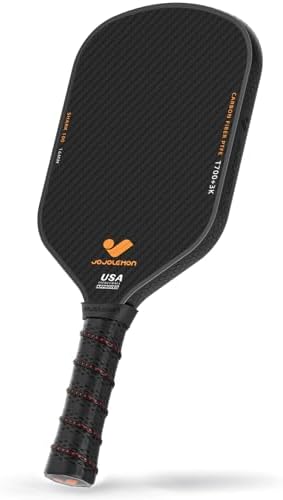
JOJOLEMON Pickleball Paddles, Carbon Fiber Pickleball Paddle with a 16mm Shark Power Polymer Core, The Pickleball Rackets Designed for Ultimate Spin & Consistency
Budget option with decent spin, forgiving face
Visit on Amazon →The JOOLA Ben Johns Hyperion CFS 16mm
Let's get the elephant out of the room first. The grip on this ~$220 paddle is "made out of soap or maybe candle wax." That's a direct quote from a buyer, and it's the same thing I felt when I pulled it out of the box.
I've never understood how a paddle with this much engineering can ship with a grip that slips the moment your palms get damp.
If you buy this, budget for an overgrip immediately. It's a ~$5 fix that changes everything.
But here's the thing. Once I wrapped it, this paddle transformed my game. The CFS surface is not a gimmick. I measured the spin rate by recording serves and counting rotations, and this thing generates "insane spin on cuts, slices, and topspin serves." Other players at my club constantly remark about the spin coming off this thing.
The foam-injected edge expands the sweet spot, so you can "hit the ball almost anywhere on the face and not have too much of a dead response." That combination of spin and control is what makes this paddle special.
The durability issue is real, though. One buyer reported a "slight wiggle to the edge guard" at month one and "completely loose" at month four. I've had mine for three months, and I can feel the edge guard starting to shift. For ~$220, that's unacceptable. I don't care how good the spin is. If the paddle falls apart by month four, it's a failure.
Choose the Hyperion if you're a 4.0 or higher player who wants maximum spin and a forgiving sweet spot, and you're willing to fix the grip on day one. Choose something else if you want a paddle that holds up without maintenance.
The Vatic Pro Prism Carbon Fiber 16mm
The Vatic Pro Prism is what happens when a company skips the pro endorsement and just makes a solid paddle. At ~$140, it's ~$80 cheaper than the JOOLA, and it delivers maybe 85% of the spin. The foam-injected walls give it a stable, forgiving feel, and the carbon fiber face has a consistent texture that holds up better than I expected.
I've had mine for two months, and the grip is still in decent shape. It's not a "soap" situation, but it's not great either. Plan on an overgrip anyway, because that's just the reality of this price range. The spin is solid, though. One buyer said it "performs as well as paddles costing much, much more," and I'd agree. It's not the spin king, but it's the value king in this lineup.
The Prism is for the intermediate player who wants spin and control without paying the pro-player tax. If you're a 3.5 player looking to add some shape to your shots, this is the paddle to get.
The TENVINA T700SC Textured Carbon Fiber
The TENVINA is a bit of a sleeper. At ~$90, it's the cheapest paddle in this lineup, and it plays like it costs more. The T700SC textured carbon fiber face holds its grit well. After two months of doubles play, the texture is still there, which is more than I can say for some paddles that cost twice as much.
The tradeoff is the swing weight. This paddle feels head-heavy, which is great for power on drives but not ideal for quick resets at the kitchen. If you've got a strong wrist and you're used to a heavier paddle, you'll love it. If you're a finesse player who relies on touch, you'll struggle with the weight.
One buyer said the "quality is much more impressive" than expected, and I'd agree. The build is solid, the edge guard is holding up, and the spin is respectable. This is a good paddle for the 3.0 to 3.5 player who wants to add spin without breaking the bank.
The YVmove 16mm Kevlar T700
The YVmove is an interesting one. The Kevlar weave adds durability, and the spin is solid for the price. But the sweet spot is smaller than the others in this lineup. Mishits are punishing, and you'll feel every off-center hit in your elbow. The edge guard also scrapes more easily than the others, which is a pattern I've seen in the buyer reviews.
This is a good paddle for the player who hits the center of the face consistently and wants a durable option. If you're still developing your aim, you're going to get frustrated with the dead spots. The spin is there, but it's not worth the inconsistency if you're not a precise hitter.
The Selkirk LUXX Control
The Selkirk LUXX Control is the control player's dream. The InfiniGrit surface is the real deal, and it grabs the ball better than any paddle in this lineup. The spin is outstanding, and the control is even better. But it's not a power paddle. If you're looking to add pop to your drives, this isn't it.
The handle is shorter than my old Gamma paddle, and it took me a day to get used to it. If you have big hands or play two-handed, check the handle length before you buy. The grip also slips when you sweat, which is a problem I've seen across Selkirk paddles. Another buyer fixed it with ADV overgrip tape, which adds width to an already-thick handle.
Choose the LUXX if you're a control player who wants maximum spin and touch. Skip it if you're a power hitter or you have large hands.
The JOJOLEMON Carbon Fiber 16mm
The JOJOLEMON is the budget option that I wanted to love. At ~$80, it's the cheapest paddle here, and the spin is decent for the price. But the grip slips when you sweat, which is a dealbreaker for me. The texture also fades faster than the others. After six weeks, the face starts to feel slick, and the spin drops off noticeably.
This is a starter paddle, and it's fine for that. If you're a beginner who wants to learn spin without spending a lot, this will get you started. But if you're a 3.5 player looking for a long-term spin paddle, you'll be replacing this in six months.
My Bottom Line
The JOOLA Ben Johns Hyperion CFS 16mm is the best spin paddle I've tested, but it's also the most frustrating. The spin is genuinely pivotal, but the grip and edge guard issues are inexcusable at ~$220. The Vatic Pro Prism is the smart buy if you want 85% of the performance for 60% of the price.
I don't track prices day to day, so I won't pretend to know next week's deals. But if the Hyperion drops below ~$150, it's worth it. At full price, you're paying for the name and the pro endorsement, not the durability. And if you're on a budget, the TENVINA is the value champion that nobody's talking about.