Most players walk into a paddle decision with two numbers in their head: the price on the listing and whatever spin figure an influencer put on screen. Neither number tells you whether the face will still grab the ball in October, or whether the handle will still feel right after a Naples summer has done its work on the grip. This guide narrows the field to one useful category, the raw carbon fiber pickleball paddle, plus the small handle and grip items that keep a paddle usable week after week. Six products are covered here: four paddles, one overgrip, and one roll of heat shrink wrap that does handle work rather than ball work. Every card is matched to its own retailer listing so the name, the image, and the link stay together. Nothing below is a price ranking, because prices move. The point is to work out which face material, core, and handle setup fits the way you actually play doubles.
Related: Pickleball Paddle Grip Size and Overgrip Basics
Quick answer
The Selkirk Sport SLK Halo Pickleball Paddles | T700 Raw Carbon Fiber Paddle is the strongest fit for recreational and intermediate doubles players who want spin and control because its listed T700 raw carbon fiber construction is aimed directly at that job. Choose the Stealth Raw Carbon Fiber Pickleball Paddle with Abrasion Surface for Ultimate Spin & Control, USA Pickleball Approved instead when a stated abrasion surface and a stated USA Pickleball approval are the two details you care about most.
What is worth comparing in this category
A paddle listing can bury the four things that actually change how a paddle plays. Sort the noise from the signal with these:
- Face material and stated texture. Raw carbon fiber is the current spin story. What matters is whether the listing names the material and describes a textured or abrasion surface, because a smooth face and a grit face play nothing alike.
- Core and body construction. Honeycomb cores appear across this group. Core thickness and whether the build is thermoformed change the feel far more than a decal does.
- Shape and sweet spot. A wide body and an elongated shape trade forgiveness against reach. For most club players, the bigger sweet spot wins.
- Handle and grip setup. Grip circumference, the overgrip you add, and how the handle is built up decide whether the paddle still feels like yours in game three.
- Approval and support items. Where a listing states USA Pickleball approval, that is worth knowing. So is the cost of the consumables, because grip tape and wrap get replaced long before the paddle does.
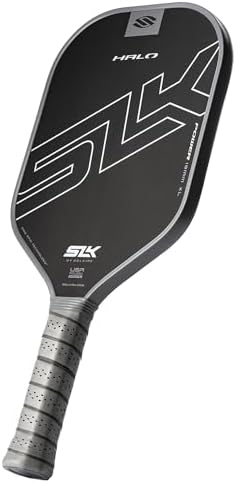
Selkirk Sport SLK Halo Pickleball Paddles | T700 Raw Carbon Fiber Paddle
A Selkirk SLK paddle built around a T700 raw carbon fiber face, which is the spec most recreational doubles players are shopping for when they want spin and control in one frame.
Visit on Amazon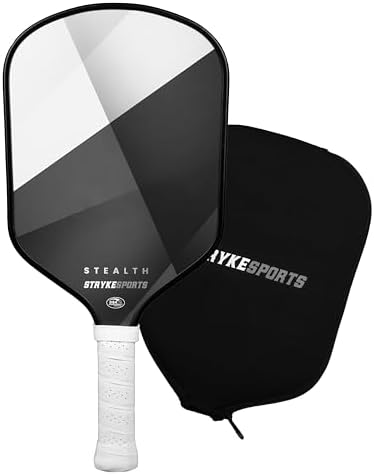
Stealth Raw Carbon Fiber Pickleball Paddle with Abrasion Surface for Ultimate Spin & Control, USA Pickleball Approved
Check current price
A raw carbon fiber paddle whose listing names an abrasion surface for spin and control and states USA Pickleball approval, which makes the spec sheet easy to check at a glance.
Visit on Amazon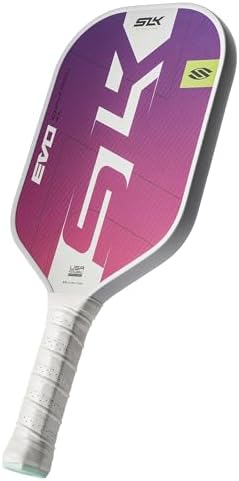
Selkirk Sport SLK Evo Carbon Fiber Pickleball Paddles | Control & Power
Check current price
An SLK model that lists carbon fiber construction and is positioned around the control and power balance, a reasonable starting point for a player moving up from an entry paddle.
Visit on Amazon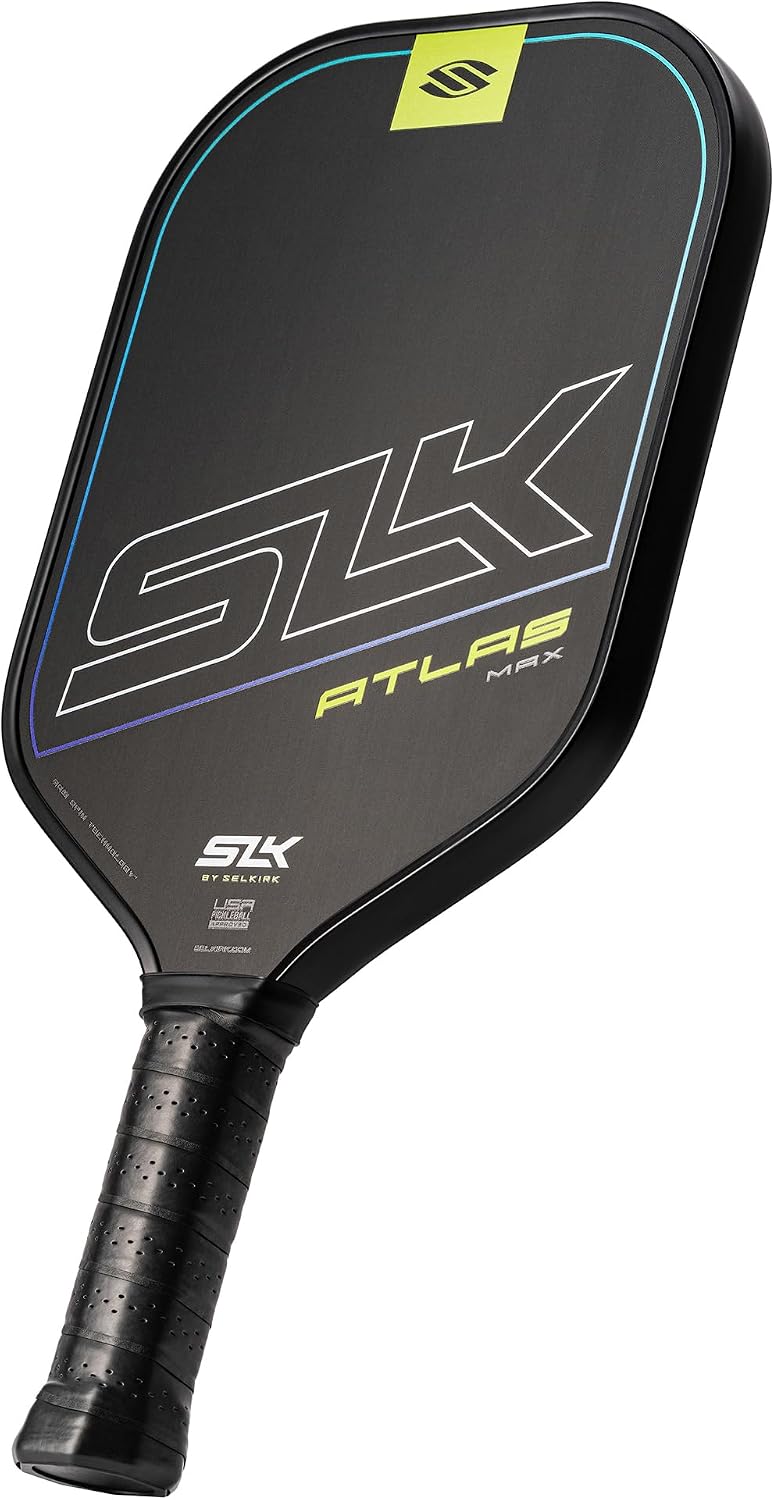
Selkirk Sport SLK Atlas Pickleball Paddles | Carbon Fiber Honeycomb
The SLK Atlas pairs a carbon fiber face with a honeycomb core, which is the combination to look at when you want a forgiving, budget-friendly frame for club play.
Visit on Amazon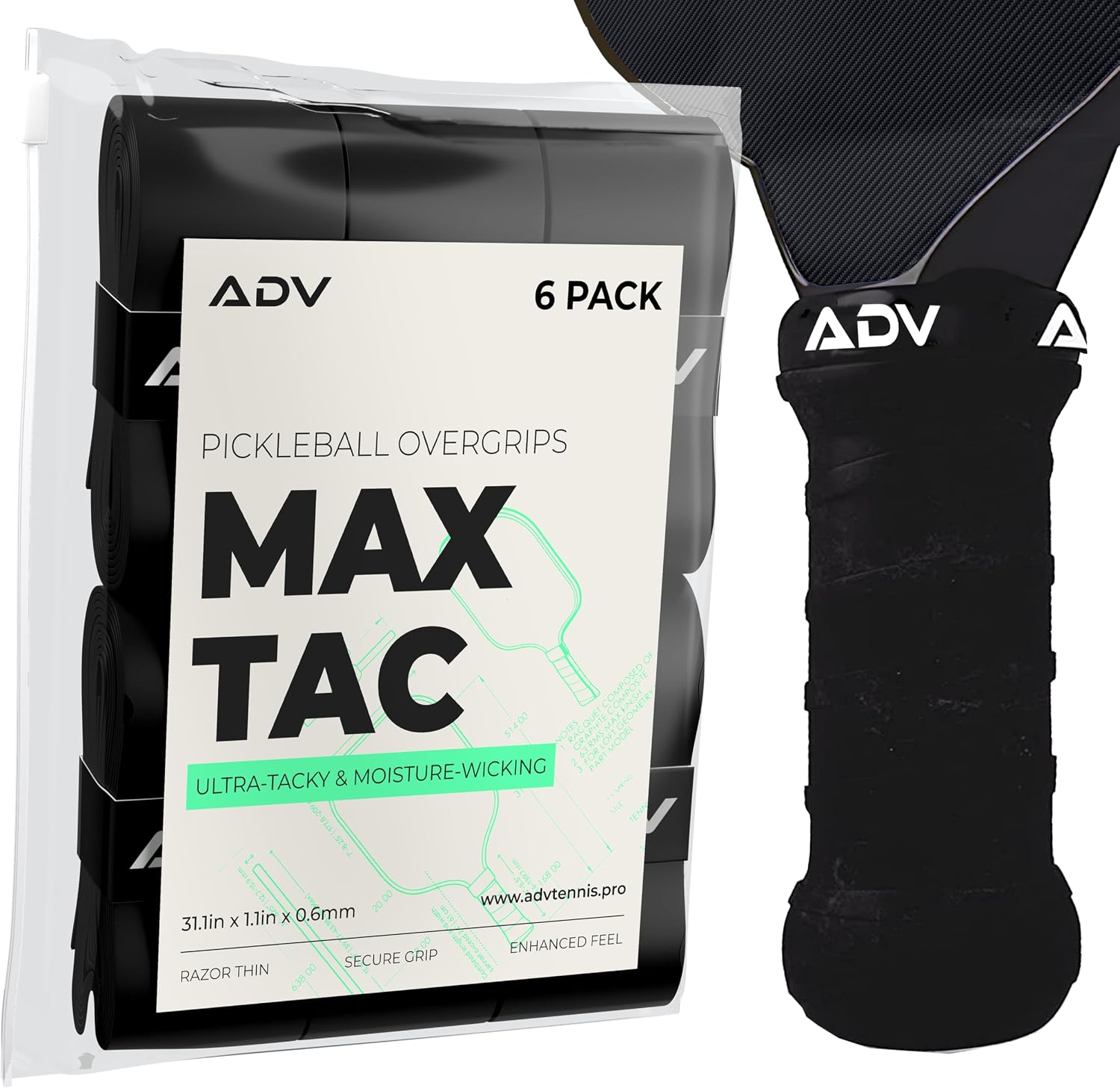
ADV MaxTac Pickleball Paddle Grip Tape - Tacky Moisture-Wicking Overgrip
A tacky, moisture-wicking overgrip made for pickleball handles. It is the cheapest way to change how a paddle feels in a humid climate without changing the paddle.
Visit on Amazon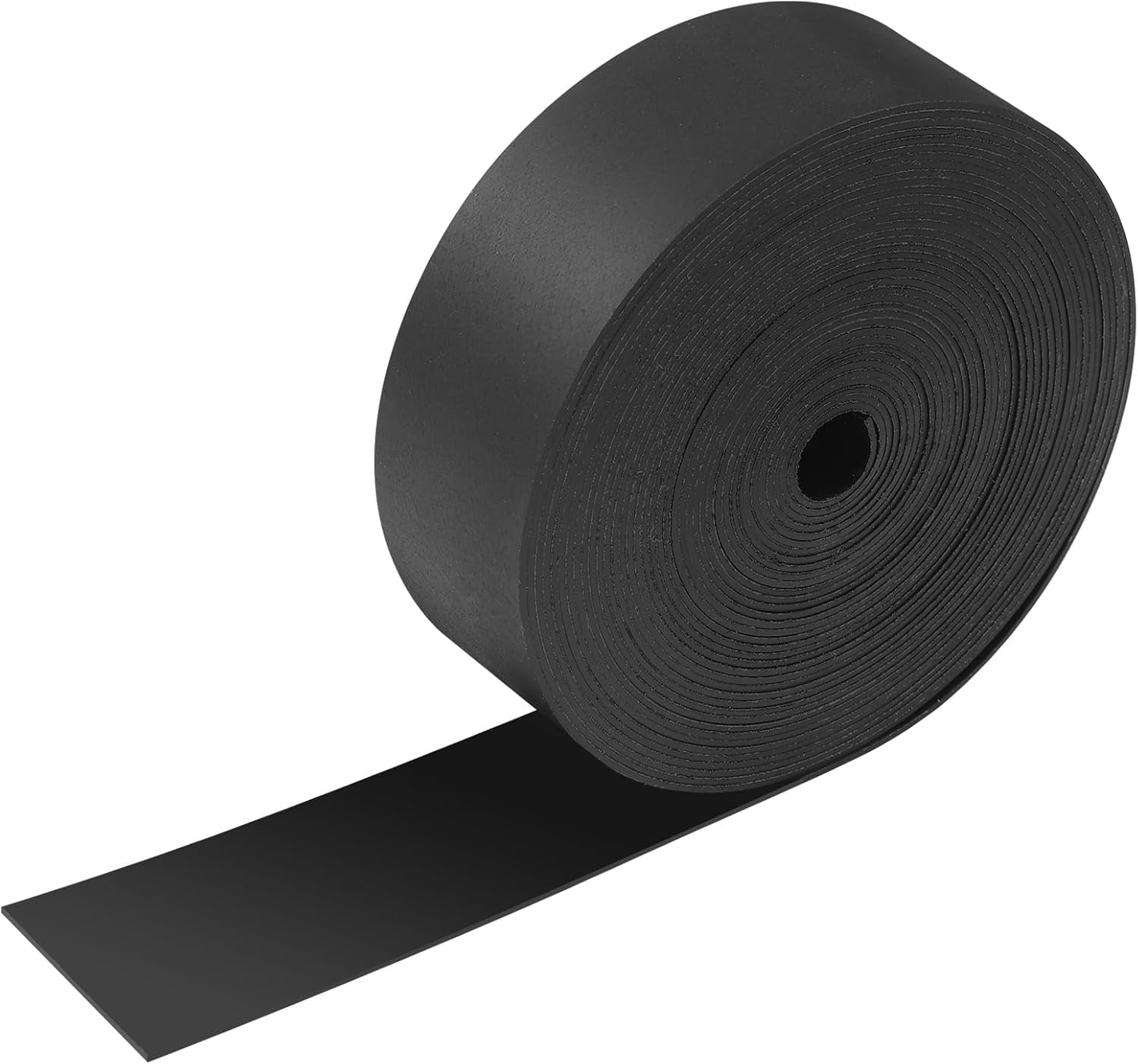
1 Inch Heat Shrink Tape Black Electrical Roll Shrinkable Wrap
A one inch black shrinkable wrap roll. It is a general handle and grip building material rather than a paddle, useful when you are adjusting grip size or tidying a handle.
Visit on AmazonPrices and availability may change. Check the retailer for current details.
How these products were compared
This guide compares face material and stated surface texture, core and body construction, the control, power, or spin emphasis named in each listing, handle and grip setup, and the supporting accessories that keep a paddle playable across a season. Product names, images, and retailer links are matched by ASIN so that every card points to the product shown, and no card mixes one product's photo with another product's link.
The comparison relies on manufacturer and retailer product descriptions rather than laboratory measurement. Where a listing does not state a specification, such as an exact core thickness or an unstated grip circumference, this article does not invent one. That is deliberate. A comparison built on guessed numbers is worse than no comparison, because it pushes readers toward a paddle for reasons the product never claimed.
How to choose the right pickleball paddle
Start with the sweet spot, not the power rating. Nine out of ten club players lose more points to mishits than to a shortage of pace, and a paddle with a generous hitting area converts more of those mishits into playable balls. Face material comes second. If you want spin, a raw carbon fiber face with a textured or abrasion surface is the category to shop, because the texture is what grips the ball at contact. If you want a softer, more forgiving feel on resets, a carbon fiber face over a honeycomb core does that job, and the SLK Atlas in this group is built that way.
Third, think about the handle before you buy, because the handle is the only part of the paddle you can change after the fact. A grip that is too small lets the paddle twist on off-center hits; a grip that is too big slows your hand changes at the kitchen line. An overgrip adds a small amount of circumference and a fresh tacky surface, which is why the ADV MaxTac overgrip belongs in this conversation alongside the paddles. Our Pickleball Paddle Grip Size and Overgrip Basics guide walks through the measurement, and the short version is that you should measure your hand before you shop, not after.
Finally, decide how much of your budget belongs to the paddle and how much belongs to the consumables. Grip tape, overgrips, and edge protection get replaced several times a year. A paddle does not. Spending a little less on the frame and a little more on keeping the handle fresh is usually the better trade for a recreational player.
Selkirk Sport SLK Halo Pickleball Paddles | T700 Raw Carbon Fiber Paddle
The SLK Halo is the top pick here because its listing names the exact construction that this category is about: a T700 raw carbon fiber face. That matters for two reasons. First, raw carbon fiber is the face material most associated with spin generation in the current market, and the texture of the face is what does the work at contact. Second, T700 is a named fiber spec rather than a vague marketing phrase, so you can compare it against other listings instead of guessing.
The trade-off is straightforward. A raw carbon fiber face is a surface that wears, and any textured face loses some bite over time as grit flattens and the surface smooths. That is true across the category, not unique to this paddle. It means you should treat the face like a consumable part of the frame: keep it clean, avoid dragging it across abrasive court surfaces, and accept that the spin you feel on day one will soften over a long season. The Halo is also a control-first design, so a player who genuinely needs maximum power from the frame should look at the power-leaning options below rather than buying this and swinging harder.
Alternatives to consider
The Stealth Raw Carbon Fiber Pickleball Paddle with Abrasion Surface for Ultimate Spin & Control, USA Pickleball Approved is better suited to a player who wants the approval status and the abrasion surface written directly into the product description, while the Selkirk Sport SLK Evo Carbon Fiber Pickleball Paddles | Control & Power is a stronger fit when you want a carbon fiber frame that is explicitly positioned around a control and power balance rather than a pure spin build.
The Selkirk Sport SLK Atlas Pickleball Paddles | Carbon Fiber Honeycomb, the ADV MaxTac Pickleball Paddle Grip Tape - Tacky Moisture-Wicking Overgrip, and the 1 Inch Heat Shrink Tape Black Electrical Roll Shrinkable Wrap cover the rest of the shopping list. The Atlas is the carbon fiber and honeycomb option for a player who wants a forgiving frame. The MaxTac overgrip is the fix for a slick or sweaty handle, and it is the single cheapest change you can make to how a paddle feels. The heat shrink wrap is not a paddle at all; it is a one inch black shrinkable roll, and it belongs here because handle building and grip work is where most players end up needing it. If you are not adjusting grip size or wrapping a handle, you do not need it, and buying it will not improve your game.
Day-to-day use and maintenance
Treat the face as the part that wears. Wipe it down after play with a soft damp cloth and a little mild soap if the manufacturer allows it, then dry it. Do not use abrasive pads or solvents on a textured surface, because you will flatten the grit you paid for. Check the edge guard every few weeks. If the guard is lifting, a small piece of tape can keep it from catching on low resets, and if it has torn away completely, that is a warranty conversation rather than a tape conversation.
Grips are the other maintenance item. Replace an overgrip as soon as it feels slick, glazed, or slippery when your hand is damp. In humid climates that can mean every few weeks during the summer, which is exactly why the cost of grip tape matters more than most buyers expect. Store the paddle out of a hot car, since heat cycling is unkind to both adhesives and core materials, and keep it out of the sun between games. If you build up a handle, apply shrink wrap in short sections and let it cool fully before you wrap the overgrip, so you do not trap moisture underneath.
Buying checklist
- Measure your hand and confirm the grip circumference you actually want before ordering.
- Choose face material based on your normal game rather than one occasional shot: raw carbon fiber with texture for spin, carbon fiber over honeycomb for forgiveness.
- Confirm that the exact model you are buying includes the feature you care about, such as a stated abrasion surface or stated USA Pickleball approval.
- Read the cleaning and maintenance instructions, especially anything about the face texture.
- Budget for consumables: at least one overgrip and, if you are adjusting grip size, a roll of shrink wrap.
- Verify the current retailer price, availability, and return terms before you commit.
Final recommendation
Choose the Selkirk Sport SLK Halo Pickleball Paddles | T700 Raw Carbon Fiber Paddle when you want a named raw carbon fiber face and a control-first build for recreational and intermediate doubles. Choose the Stealth Raw Carbon Fiber Pickleball Paddle with Abrasion Surface for Ultimate Spin & Control, USA Pickleball Approved when stated approval and a described abrasion surface are your deciding factors, and choose the Selkirk Sport SLK Evo Carbon Fiber Pickleball Paddles | Control & Power when you want a carbon fiber frame pitched at a balance of control and power. Add the overgrip if your handle is the weak point, and skip the heat shrink wrap unless you are genuinely reworking a handle. The honest summary is that face material and sweet spot size decide most of your results, and everything else is maintenance.