I coach at a club with 400 members in Naples, Florida, and I have hit with more than 60 paddles since I picked this sport up in 2019. That is not a flex, it is a warning. Most of what gets written about paddles is marketing, and the pickleball paddle comparison that actually matters is dull: face material, core thickness, how big the sweet spot feels in your hand, and whether the thing is still alive after three months of doubles.
Four products come up at my club more than any others right now, so I am putting them side by side: a two-paddle starter set, a Kevlar T700 control frame, a foam core power frame, and the cheap cover that keeps any of them from getting chewed up in a bag.
Related: Pickleball Paddle Core Thickness Explained 13mm Vs 16mm
For most recreational players, the Vatic Pro V-Sol Power 16mm is the safest single-paddle purchase in this group because it comes from a brand with a track record and includes a cover. The YVmove Kevlar T700 is the more interesting spec sheet. The two-paddle set is a family starter kit, not a performance paddle, and the covers are the cheapest protection you can add to any setup.
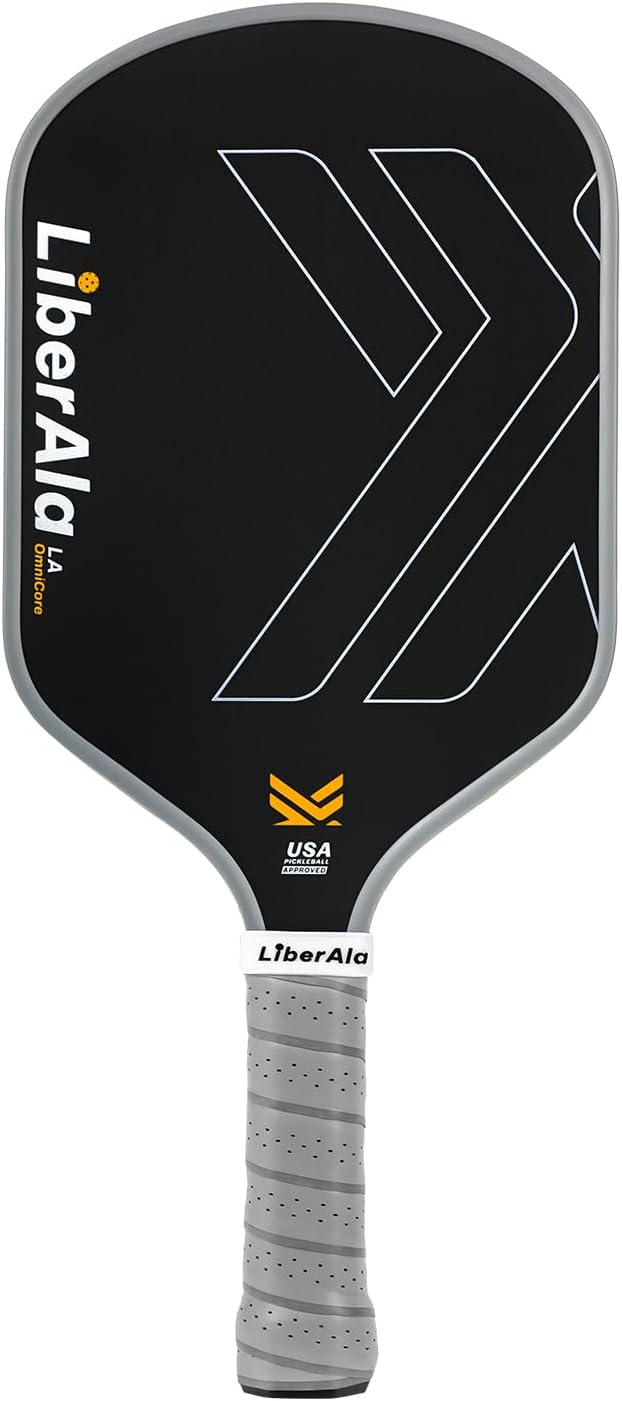
Pickleball Paddles & Set of 2, USAPA Approved Carbon Fiber Pickle Ball Paddle, PP Honeycomb Core, Lightweight & Comfort Grip for Beginners, Pros, Men, Women, Adults, Kids
Two paddles in one purchase, so you and a partner can drill the same day; carbon fiber face over a polypropylene honeycomb core is the right beginner recipe; listed as USAPA approved
Budget construction usually means a smaller effective sweet spot and a face texture that smooths out early; stock grips tend to need replacing in humid climates
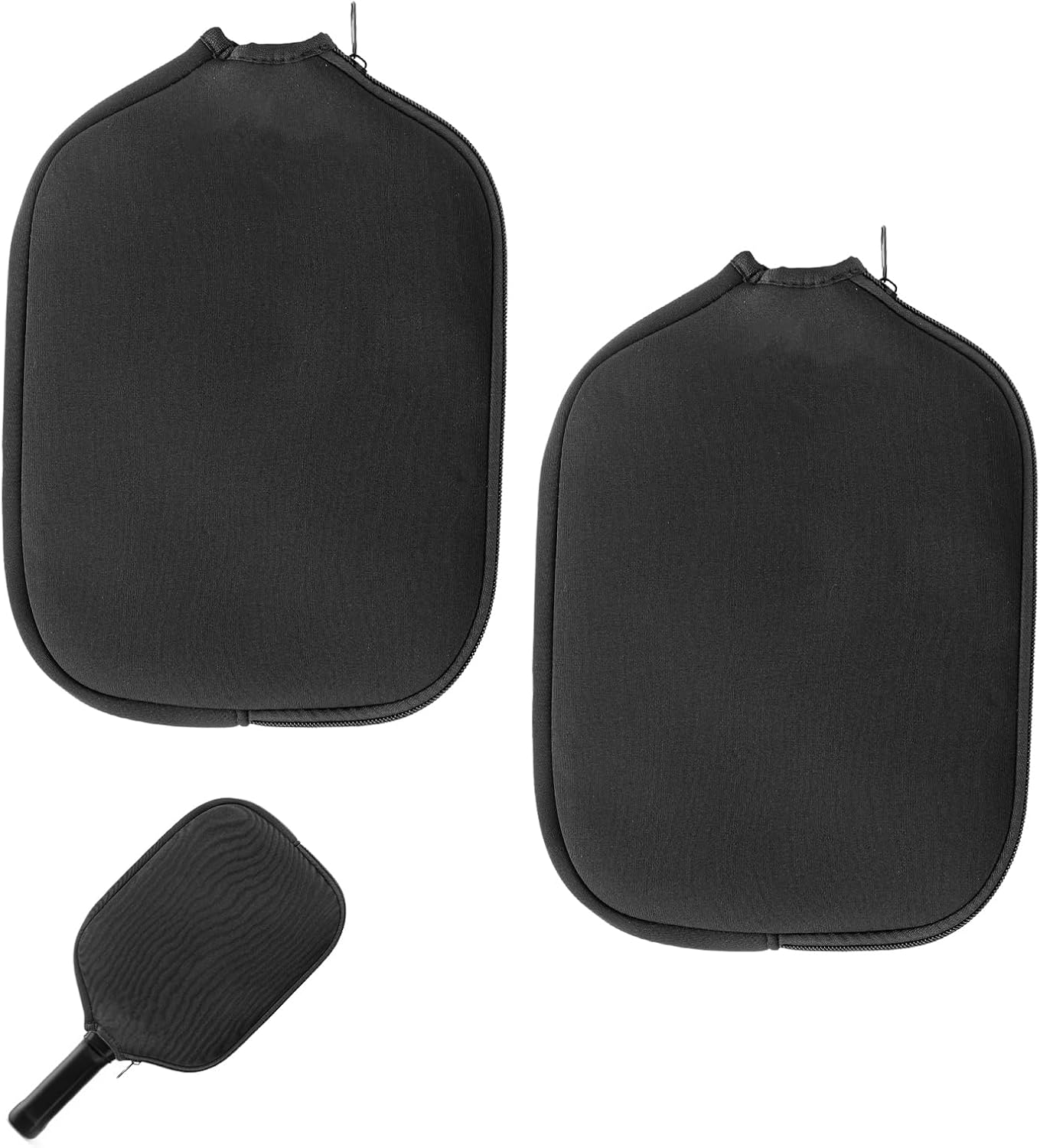
2 Pcs Pickleball Paddle Covers, Universal Case Size Racket Sleeve Paddle Storage Bag Compatible with Most USAPA Standard and Elongated Pickball Paddles
Protects the face texture, which is the first part of a paddle to die; two covers in the pack; fits standard and elongated shapes
Universal sizing means a loose fit on some paddles; it will not make you play any better
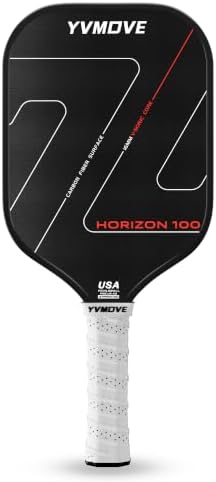
YVmove 16mm Kevlar T700 Carbon Fiber Pickleball Paddle, USAPA Approved
A 16mm core paired with a Kevlar T700 carbon face is a control leaning, damped setup; listed as USAPA approved; sits in the price band where real quality usually starts
Low brand recognition, unproven long term face durability, and no cover included
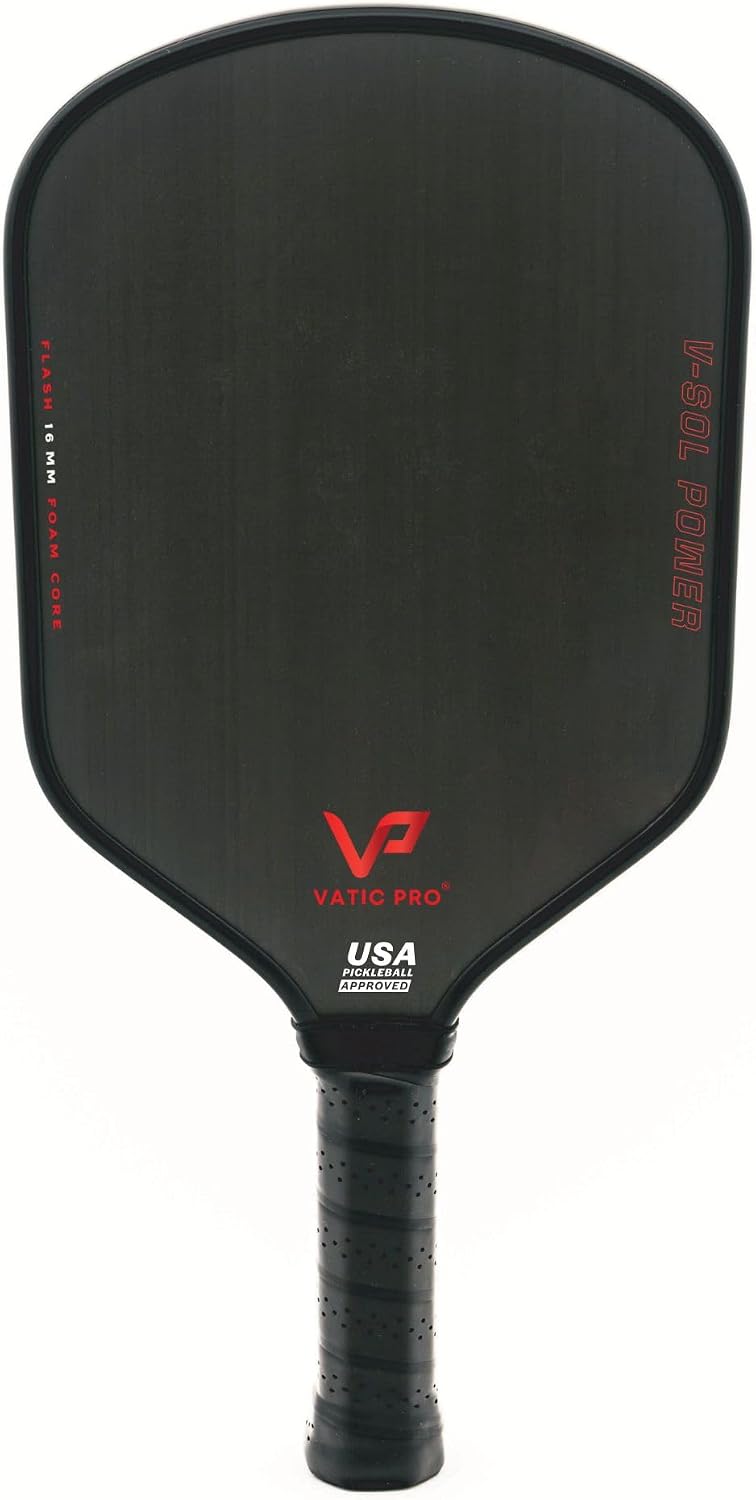
Vatic Pro - V-Sol Power 16mm - Foam Core - Includes Paddle Cover
Foam core construction adds perimeter stability and a heavier, more powerful feel; the 16mm thickness is forgiving on off center contact; ships with a cover
The word power in the name oversells a trait most recreational players cannot control; foam core can swing heavier late in a long session
Prices and availability were captured from Amazon Creators API and may change.
How I judge a paddle before it ever hits a ball
I read four things on a listing before I care about anything else: face material, core thickness, edge guard design, and whether the paddle actually appears on the USAPA approved list. That last one is not paranoia. Every season I meet a player who bought something labeled approved and got a paddle that was never on the list, or was approved in a different configuration. Check the list yourself. It takes two minutes.
Face material is the current arms race. Carbon fiber, Kevlar, fiberglass, and blends all behave differently, and the marketing around each one is louder than the difference in play. Core thickness is the spec that changes how a paddle feels to a normal human being, and 16mm versus 13mm does more for your game than any face buzzword. Edge guard design decides whether your paddle survives contact with the court, the net post, and the bottom of your bag.
None of that requires a lab. It requires reading past the first three bullet points and ignoring the phrase "pro model."
The two-paddle set: a starter kit, honestly labeled
The Pickleball Paddles & Set of 2 is the product I hand to people who are three weeks into the sport and not sure they are staying. It is a carbon fiber face over a polypropylene honeycomb core, it is lightweight, it is sold as a pair, and the listing says USAPA approved.
Buying two paddles at once is smarter than it sounds. The fastest way to improve at this sport is drilling with a partner, and a second paddle in the bag means your spouse, your kid, or the neighbor who keeps asking questions can step on court without borrowing a club demo.
Here is the honest trade-off. At this price, expect a smaller effective sweet spot, meaning off center hits will feel noticeably deader than center hits. Expect the face texture to smooth out faster than it would on a paddle that costs four times as much, and expect the grip to need replacing sooner, especially if you play outdoors in Florida humidity like we do. As a first paddle, or a permanent spare, it is a reasonable buy. As the paddle you plan to grow into for two years, it is not.
Kevlar T700 and the face material story
The YVmove 16mm Kevlar T700 Carbon Fiber Pickleball Paddle is the most interesting spec sheet in this group. Kevlar is an aramid fiber, the same family of material that made body armor famous, and in a paddle face it is used for impact resistance and a softer, more damped feel than raw carbon. Paired with a 16mm core, that combination points toward control and comfort rather than raw pop.
That is a good thing for most players. My position has not changed in five years: sweet spot size beats raw power for nine out of ten players, because power you cannot control is just a way to donate points at the net. A 16mm core gives you more forgiveness on contact, and a damped face takes some of the sting out of hard drives and body shots.
Where this one loses points is track record. YVmove is not a brand with a long history in the sport, so nobody can tell you how that Kevlar face looks after 300 hours of play. It is also listed as USAPA approved, which I would verify on the official list before buying. And there is no cover in the box, which matters more than people think. If you want the spec sheet that reads best on paper, this is it. If you want the paddle with a paper trail, keep reading.
Foam core, and the word power on the box
The Vatic Pro V-Sol Power 16mm is the one I would put in a 55-year-old recreational player's hands first. Vatic Pro has been around long enough that club players know the name, the paddle is foam core with a 16mm thickness, and it ships with a cover, which removes one small decision from your life.
Foam core construction is a real design choice, not a sticker. Foam injected around the perimeter adds stability and mass, which tends to produce a heavier, more powerful feel and a slightly larger effective hitting area. The 16mm thickness keeps it forgiving.
Now the criticism. The word power in the product name is doing a lot of work. Most players at my club do not need more power. They need a paddle that keeps the ball in the court when they are stretched wide and off balance. A foam core paddle can also swing heavier, and heavier means your shoulder and elbow feel it in the third game of a round robin. If you have tendon issues, demo before you commit. If you want a dependable mid price paddle with a cover and a known brand, this is the pick.
The accessory nobody budgets for
The 2 Pcs Pickleball Paddle Covers are the least exciting product in this article and the one I recommend most often. A paddle face is a texture, and that texture is what generates spin. Grind it against a zipper, a water bottle, and the bottom of a duffel bag for a month and you have sanded off the thing you paid for.
These are universal sleeves, sold as a pair, and the listing says they fit most standard and elongated paddles. Universal fit means universal compromise: on some paddles the fit will be snug, on others it will be loose. That is acceptable. What is not acceptable is a $150 paddle rattling around naked in a bag next to your keys.
Two covers for the price of a sandwich is the best value in this entire comparison, and it is the only purchase here that protects every other purchase here. Buy the covers when you buy the paddle, not six months later when the face is already slick.
Core thickness and why the sweet spot wins
Two of the four products here are 16mm, and that is not a coincidence. Sixteen millimeters is the thickness most recreational players should start with. The core is thicker, so there is more material behind an off center hit, so the sweet spot plays bigger and mishits do not die off the paddle. Thirteen millimeter cores are faster through the air and produce more pop, and they punish sloppy contact.
My rule after five years of logging this stuff: if you cannot describe your own sweet spot, you do not need a thinner core. You need reps and a bigger hitting area. Core density numbers on a spec sheet mean nothing until the same player swings both paddles in the same session, and almost nobody does that before buying.
Thermoforming is the other technology story worth following. It is becoming standard at more price points every year, and within a couple of seasons the marketing will move on to core materials, because that is where the next round of differentiation will be. If a paddle claims thermoforming at a bargain price, that is a claim worth testing, not a reason to buy on faith.
Durability is the only spec that ages
A paddle that feels amazing for one session and dead after six weeks is a failed product, no matter how it played fresh. Three things kill paddles: edges that chip, faces that peel, and grips that disintegrate in humidity. Edge guards that catch the ball on low resets are a separate annoyance, and they show up on cheap frames more than expensive ones.
When you evaluate any of these four, ask what happens in month three. For the budget set, the answer is usually a smoothed face and a grip replacement. For the Kevlar paddle, it is an unknown, because the brand does not have a long enough history for club level feedback. For the foam core Vatic, it is a brand with enough of an installed base that you can find out. For the covers, month three is exactly when they prove their worth.
The used market tells you the truth here. Watch what the 2025 hype paddles sell for this winter. Anything trading at half price is a paddle that did not hold up, and that pattern repeats every year.
The trade-offs, plainly
Buy the two-paddle set if you are outfitting a family or you want a spare in the bag. Buy the Kevlar T700 if you want a control leaning 16mm frame and you accept the brand risk. Buy the Vatic Pro V-Sol Power 16mm if you want a known name, foam core stability, and a cover in the box. Buy the covers regardless, because every one of those paddles will live longer inside a sleeve.
None of these four is a pro model, and that is the point. The pro model markup is the worst deal in this sport right now. The $80 to $150 band is where quality actually starts, and two of these products sit right in it.
What I tell the 55-year-old recreational player
Start with a mid price paddle with a big sweet spot, add a cover, and spend the money you saved on four lessons. Lessons will do more for your rating than any face material. Then, in three months, when you know what your own mishits feel like, you will be able to tell the difference between these paddles yourself. That is the only comparison that ever really counts.