My demo bag currently holds three paddles and a small pouch of red plastic clips, and this pickleball paddle comparison came out of the question I get at the club three times a week: do I actually need carbon fiber, or is the cheap one fine? I coach at a 400-member club in Naples, Florida, so I hear it from both ends of the speed spectrum. The 70-and-over doubles league asks me about control. The juniors ask me about spin. Almost nobody asks the question that really decides it, which is how the paddle will feel in month four, after the Florida humidity has had its way with the grip and the face.
Related: Pickleball Paddle Core Thickness Explained 13mm Vs 16mm
For most recreational players, the Franklin Sports Signature Series Pro is the paddle to buy, because it pairs a USAP-approved, textured MaxGrit face with a choice of core thickness at a fraction of what the carbon fiber paddles here cost. The Sport AKS set and the UNILEAF T800 are both legitimate step-ups, but they only pay off if you already know which core thickness and balance you like. If you do not know yet, buy the Franklin, spend the difference on lessons, and revisit carbon in a year.
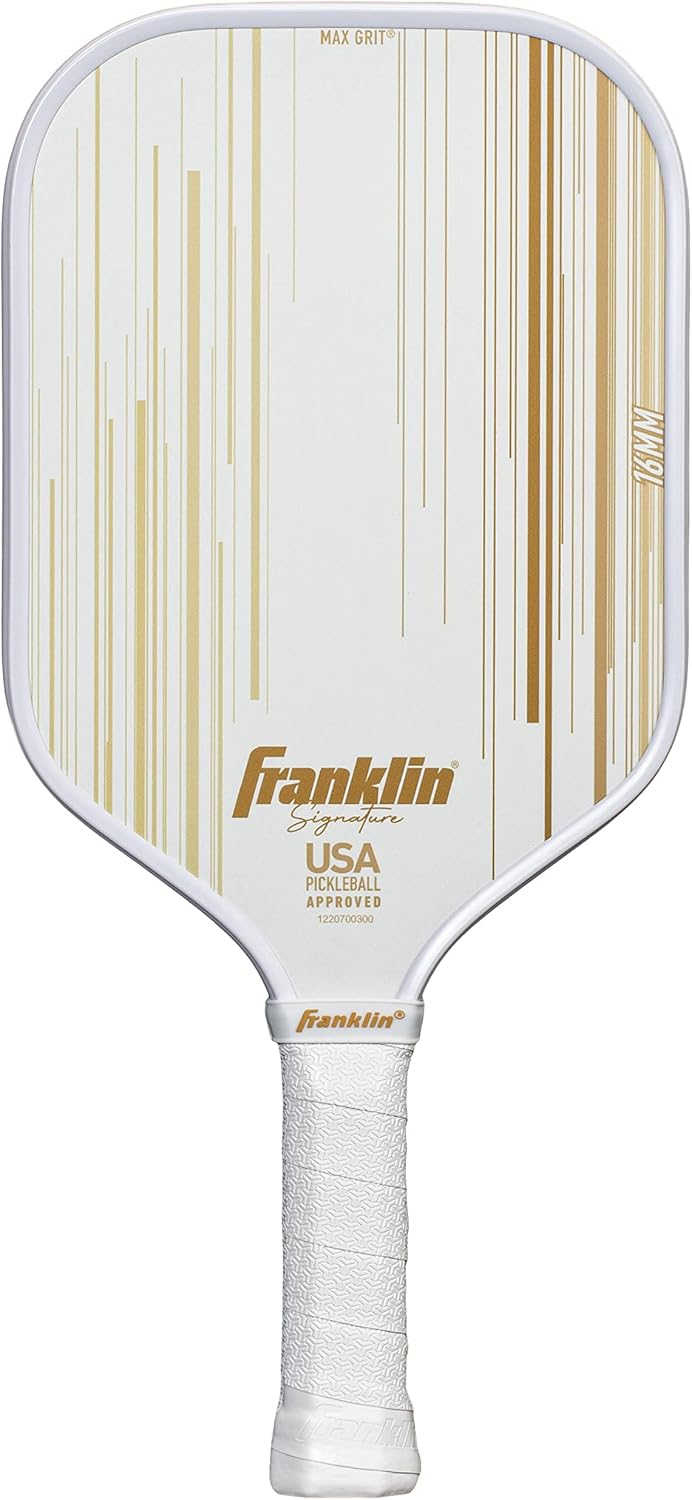
Franklin Sports Signature Series Pro
Two core options in one line, 13mm and 16mm polypropylene, plus a grit face and USAP approval at the lowest cost here
Polypropylene core with a textured face is the combination that ages fastest in heat and humidity
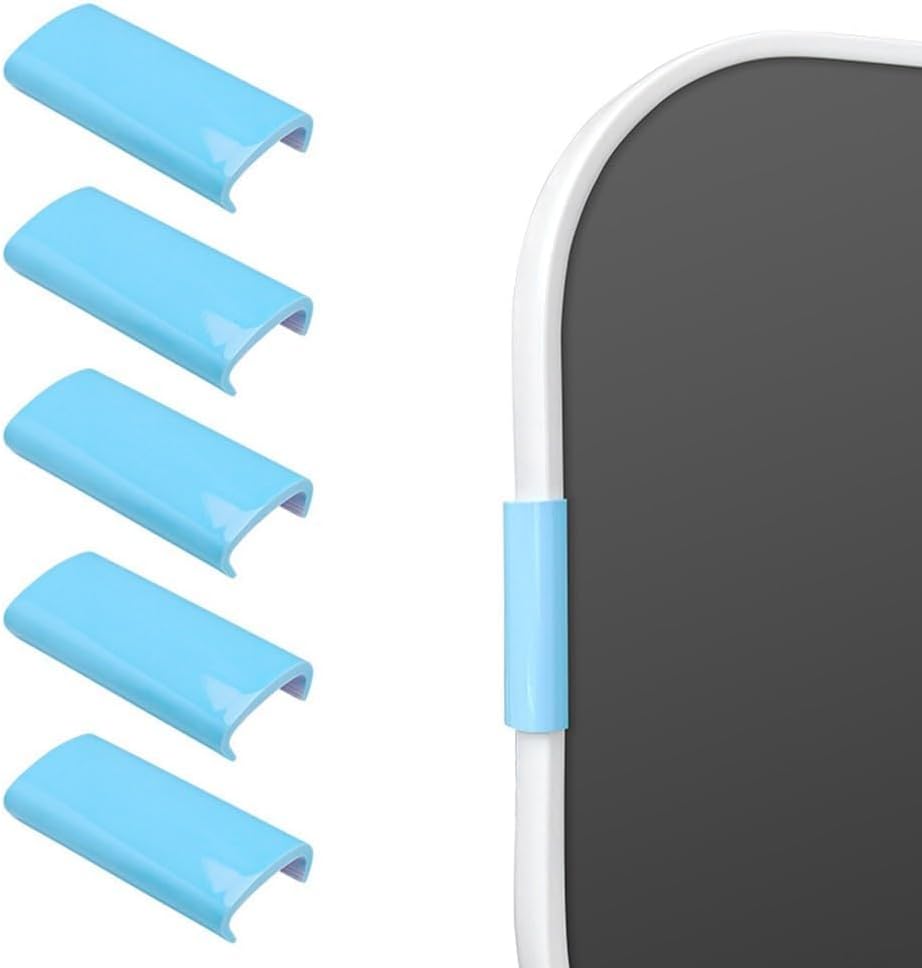
Pickleball Paddle Weight Clips, 5 pack, Red
The cheapest way to change how a paddle swings and where the sweet spot sits, sized for 16mm paddles
They add swing weight instead of fixing a dead core, and add-ons need checking against your league's equipment rules
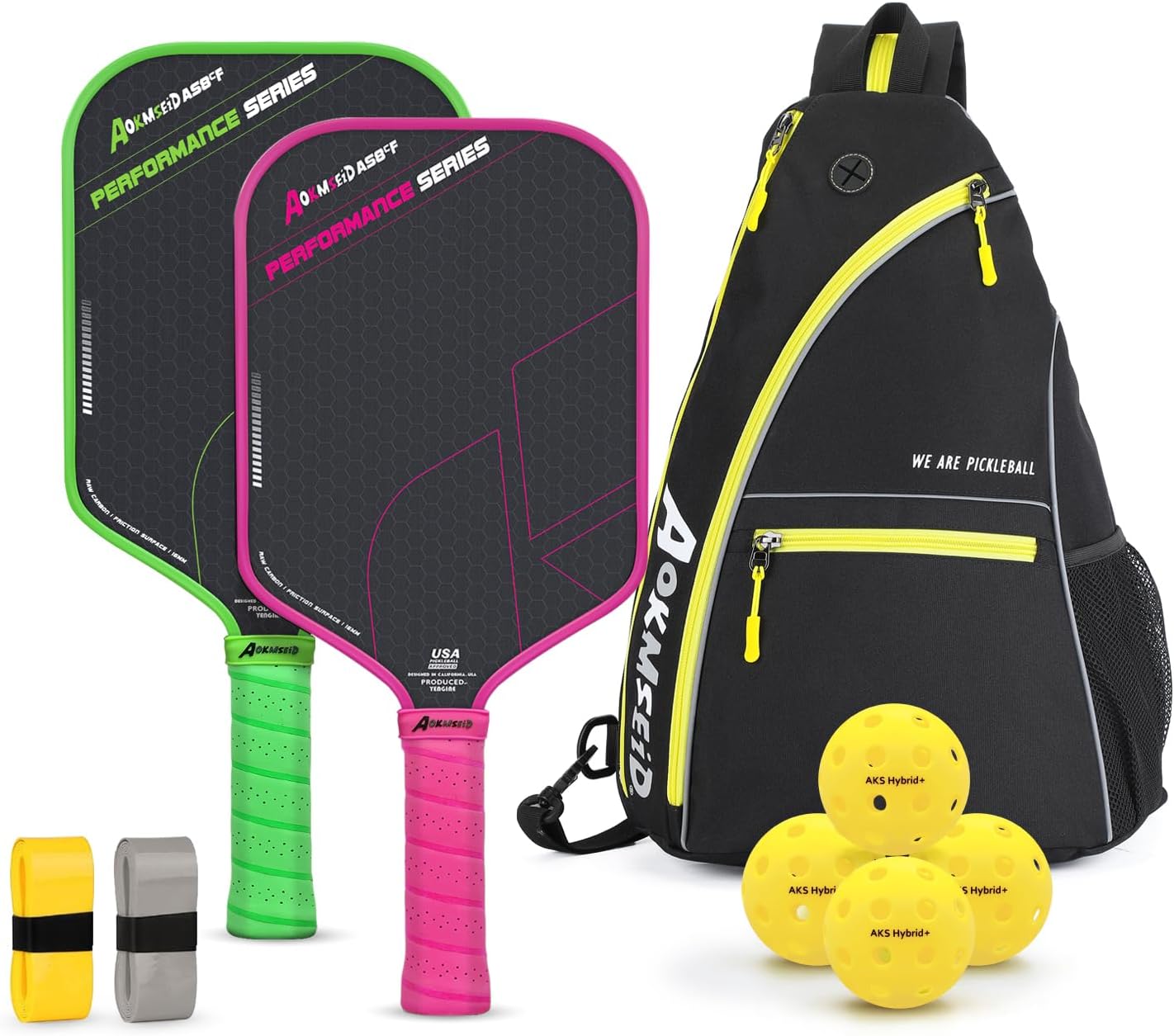
Sport AKS Carbon Fiber Pickleball Paddle Set
A carbon fiber face with USAP approval, and enough paddles in the box to hand one to a guest
Bundles usually hide one good paddle behind two average ones, and grip quality varies within a set
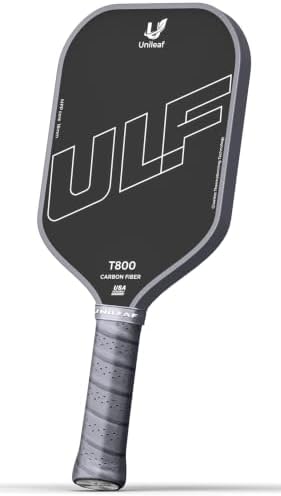
UNILEAF Pickleball Paddle, T800 Carbon Fiber
T800 carbon fiber face and a stated 6-month warranty, which is rare at this tier
No core thickness choice listed, and a single-paddle purchase means no backup for a partner or a guest
Prices and availability were captured from Amazon Creators API and may change.
How I compare paddles
Every paddle that comes through my demo program gets the same treatment: the same player hits the same drills with two paddles in one session, alternating every few minutes. That is the only way to compare. Core density numbers mean nothing if you swing one paddle on Tuesday and another on Thursday, because your timing and your wrist are different on both days.
I watch four things. First, where the sweet spot actually lives, not where the marketing says it lives. Second, how the face texture behaves after a month of doubles, because grit that wears off in six weeks turns a spin paddle into a flat paddle. Third, the edge guard, specifically whether it catches the ball on low resets. Fourth, the grip, because grip tape that disintegrates in Florida humidity is the most common complaint I hear and the easiest thing for a brand to get right.
Franklin Sports Signature Series Pro: the value pick
The Franklin Signature Series Pro is the paddle I hand to a new member who has been playing six months and is tired of a dead rental. The listing gives you a MaxGrit textured surface, USAP approval for tournament play, and a choice between a 13mm and a 16mm polypropylene core. That last part matters more than the marketing on the box.
A 13mm core gives you a thinner, faster-feeling paddle with more pop on drives and a smaller window for error. A 16mm core gives you a thicker, softer paddle with a bigger sweet spot and more forgiveness on blocks and dinks. If you are under 4.0 and playing mostly doubles, pick the 16mm. If you already have soft hands and want more pace on serve returns, the 13mm is the honest choice.
What you give up: a polypropylene core with a grit face is the combination that ages fastest in heat. That is true of almost every paddle in this price band, and it is why I tell players to store their paddle out of a hot car. What you gain is a tournament-legal paddle you can replace twice over before you match the cost of the carbon options below. For a player still building consistency, that math wins.
Sport AKS Carbon Fiber set: what a set actually gets you
The Sport AKS set is a carbon fiber paddle offering with USAP approval, sold as a set. The appeal is obvious if you run a household with two players or you host guests who show up without gear. The concern with any bundled set is that one paddle in the box is built to a better standard than the others, and you will not know which one until you have hit with all of them.
So test the set the way I do. Weigh them in your hands and look for a difference in how they balance, not just how they look. Check that each face has the same texture and that no edge guard is loose out of the box. If one paddle in the set feels noticeably better, that is your gamer and the others are the loaners.
Carbon fiber's real benefit at this level is not free power. It is a face that holds its texture longer and a frame that stays stiff as the core breaks in. That is a durability story, not a highlight-reel story, and durability is what separates a paddle you keep for two seasons from a paddle you replace at the six-month mark.
UNILEAF T800 Carbon Fiber: warranty as a feature
The UNILEAF T800 lists a T800 carbon fiber face and a 6-month warranty, and the warranty is the part I would pay attention to. Face peeling and edge separation are the two failures I see most, and a brand willing to put a time window on that failure is telling you something about how confident it is in its own lamination.
T800 is a carbon weave spec, and it tells you about the face material rather than the whole paddle. It does not tell you the core thickness, and the listing does not offer a choice, which is the main thing that keeps this paddle out of my first recommendation for a player who is still figuring out their game. If you already know you like a mid-weight, carbon-faced paddle, this is a reasonable single purchase at the carbon tier.
My caution with any single-paddle purchase: no backup. The moment your one good paddle has a bad edge or a worn grip before a league night, you are borrowing from the club bin. If you play three times a week, a second paddle is not a luxury, it is insurance.
The weight clips: the cheapest change you can make
The 5-piece weight clip set is the odd one out in this comparison, because it is not a paddle. It is the cheapest experiment in the sport. The clips are sized for 16mm paddle thickness, they are removable in seconds, and they let you move weight toward the head or the handle so you can feel how balance changes your swing.
Here is why that matters. Most players describe a paddle as powerful or controllable when what they are actually feeling is head-heavy versus head-light. Add weight toward the head and you get more plow-through on drives and more stability on blocks, at the cost of hand speed at the net. Add weight toward the handle and the paddle feels quicker and lighter, which helps on fast exchanges but reduces the mass behind your shots. Feeling that difference yourself, in one session, teaches you more than any spec sheet.
Two honest caveats. First, clips do not fix a dead core, a worn face, or a cracked edge guard. They tune feel, nothing else. Second, attached weights fall under equipment rules that vary by league and event, so check before you use them in sanctioned play. For practice sessions and casual games, they are the least expensive way to learn what you actually like.
Core thickness and the 16mm question
If you take one thing from this comparison, take this: core thickness is the only spec on a paddle listing that reliably predicts how the paddle will play. The Franklin line gives you both options, and that is its biggest advantage over the carbon fiber paddles here.
Thicker core, softer feel, bigger sweet spot, more forgiveness. Thinner core, firmer feel, more pop, less forgiveness. The 70-and-over doubles players at my club almost all end up on the thicker option, not because they cannot handle pace, but because a bigger sweet spot wins more points in doubles than raw power does. Nine out of ten players I fit are better served by a bigger sweet spot than by more speed they cannot control.
Durability: what actually fails first
Paddles do not die all at once. The grip goes first, usually within a few months if you play outdoors in a humid climate. Then the face texture fades, which quietly costs you spin. Then the edge guard separates or the core softens, and that is when the paddle is genuinely done.
This is why I care about edge guards and grip tape more than I care about pro endorsements. A paddle that plays beautifully for one session and feels dead after six weeks is a failed product no matter how good that first session was. If you buy a paddle and the grip falls apart in a month, replace the grip and note the brand. If the edge guard starts lifting, that is a warranty conversation, which is one more reason the UNILEAF's stated 6-month window is worth something.
Who should buy which
Buy the Franklin Signature Series Pro if you are building your game, if you want to try both a 13mm and a 16mm feel before committing, or if you need a tournament-legal paddle without spending carbon money. Buy the Sport AKS set if you need more than one paddle in the house and you want carbon fiber faces. Buy the UNILEAF T800 if you already know your preferred balance and you want a carbon face with a stated warranty behind it. Add the weight clips if you have never experimented with paddle balance, because that experiment costs less than a bucket of balls.
What I would not do is buy the most expensive paddle in this group hoping it makes you a better player. It will not. The paddle market is mostly marketing, and the player who drills twice a week with a mid-price paddle beats the player who buys carbon and never practices.
What I'm watching next
Thermoforming is the only real technology story of the last three years, and my prediction is that it becomes standard at every price point within two years, after which the marketing will move on to core materials. Watch the used market for the 2025 hype paddles selling at half price. That tells you what actually held up. For now, the recreational majority keeps winning with a mid-price paddle, a big sweet spot, and a grip they replace before it fails.