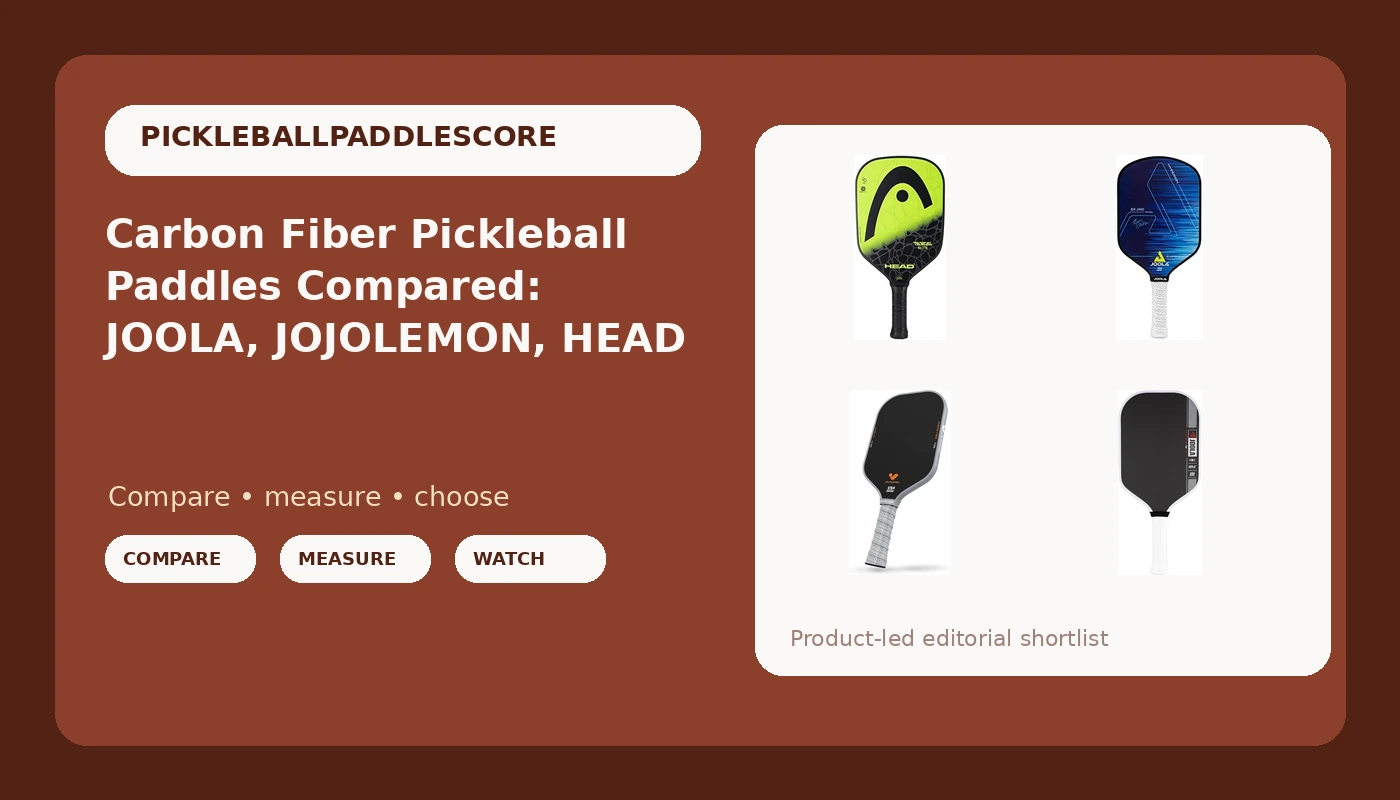
A member of my club texted me a screenshot last month: a paddle with a raw carbon face, a touring pro's name on it, and a caption promising twenty percent more spin. She wanted to know whether it was worth the money. That question is the reason I keep a demo bin in the pro shop and the reason I write comparisons like this one. I coach at a club in Naples with roughly 400 members, and over five years I have handed carbon fiber pickleball paddles to players from the 70-and-over doubles league to juniors who swing like they are auditioning for a college team. The four paddles below are the ones that keep coming up in that conversation right now: two JOOLA builds, one JOJOLEMON, and a HEAD that has quietly stayed on the shelf for years. None of them is a bad paddle. They are built for different players, and the differences come down to core thickness, shape, and how the face holds up after three months of doubles.
For the recreational player who gets on court three or four times a week, the JOJOLEMON carbon fiber paddle with its 16mm core is the most sensible buy of this group, because it aims at spin and consistency instead of raw power, and a bigger effective sweet spot wins more points than a faster ball.
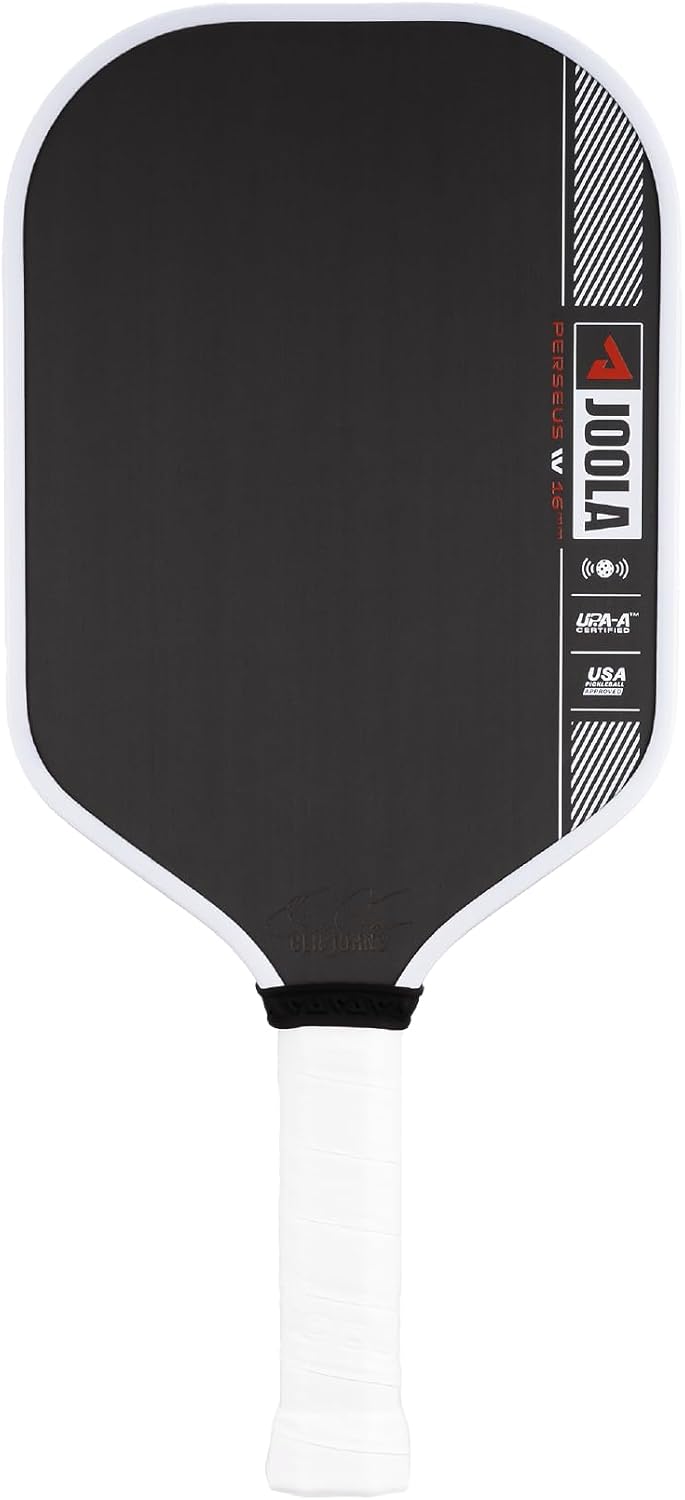
JOOLA Pro IV Pickleball Paddle
Four shapes and two core thicknesses, raw carbon fiber face, Propulsion Core, approved by UPA-A and USAP
Asks a new player to make decisions they are not ready to make
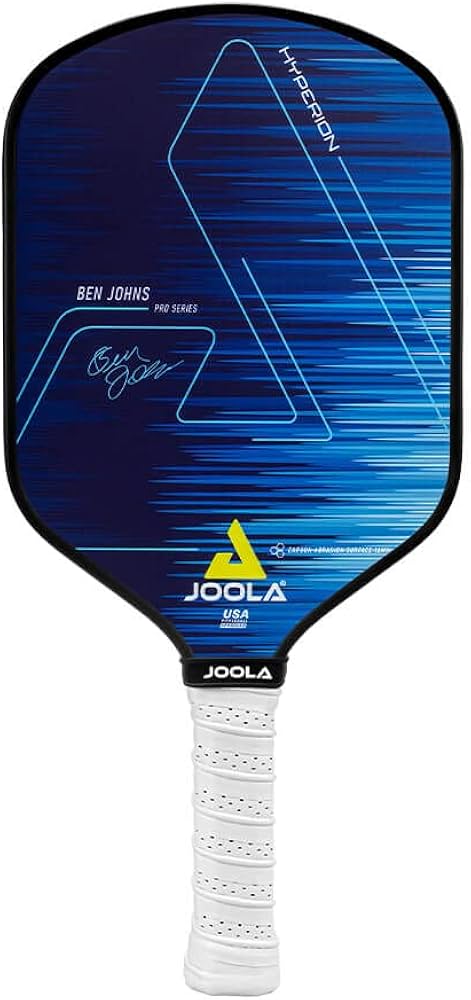
JOOLA Ben Johns Hyperion Pickleball Paddle
Elongated grip handle suits two-handed backhands and players who choke up at the net
Pro model markup, and the surface choice is another decision to get right
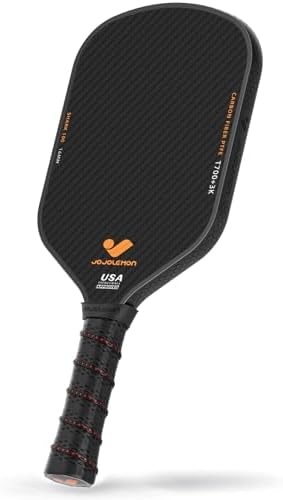
JOJOLEMON Carbon Fiber Pickleball Paddle
16mm Shark Power polymer core aimed squarely at spin and consistency
Shorter brand track record and fewer shape options
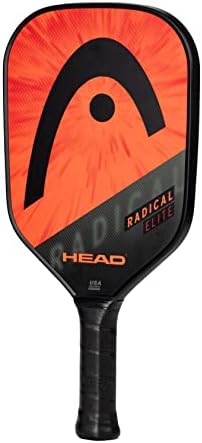
HEAD Radical Elite Pickleball Paddle
Simple, familiar, and easy to hand to a beginner or keep as a spare
Thin spec detail next to the other three
Prices and availability were captured from Amazon Creators API and may change.
How I read these four without pretending they are lab results
I want to be straight about what this comparison is. I have not run all four of these paddles through the same month-long drill block, so I am not going to hand you spin rates and sweet spot maps I did not measure. What I can do is read the construction, compare what each listing actually promises, and tell you which build matches the way most of my members play. When I describe feel, I am describing what a given core thickness and shape generally produce on court. Where I lean on feedback from players swinging similar builds, I will say so.
That honesty matters more with paddles than with almost any other gear category, because the marketing is louder. Every listing promises power and spin. Almost none of them promise that the face will still grab the ball in October.
JOOLA Pro IV: the most configurable paddle here
The Pro IV is the paddle in this group that asks you the most questions before you are allowed to buy it. It comes in four shapes, Perseus, Hyperion, Scorpeus, and Magnus, in both 14mm and 16mm cores, with a raw carbon fiber surface, a Propulsion Core, and what JOOLA calls Tech Flex Power construction. It is approved by both UPA-A and USAP, and you choose between a wide body and an elongated frame.
For an experienced player, that menu is the entire appeal. If you have figured out that you want a wide body and a 16mm core because you play a control game at the kitchen line, you can order exactly that instead of settling for whatever shape the brand decided to ship this season. The raw carbon surface is the face type most players associate with spin, and the thicker 16mm option is the one I would point a recreational player toward.
For a beginner, the same menu is a problem. I have watched new players spend a week on video trying to decide between two shapes when the honest answer is that either one would have been fine. If you do not yet know your own game, you cannot answer the questions this paddle asks. Buy it when you know what you want, not before.
JOOLA Ben Johns Hyperion: the elongated grip and the pro name
The Ben Johns Hyperion is a carbon fiber paddle with an elongated grip handle and a choice between a raw carbon surface and a carbon abrasion surface. It carries USAP approval, and it carries something else too: a touring professional's name, which is the most expensive word in the sport right now.
The design detail I actually care about is the elongated handle. A longer grip gives you room for a two-handed backhand, and it lets you slide your bottom hand up toward the throat when you are dinking and back down when you are serving. Plenty of players at my club have never thought about where that bottom hand sits, and once they do, they stop buying paddles with short handles.
The surface choice is where I would slow down. Raw carbon and carbon abrasion are two different answers to the same question, which is how the face generates friction against the ball. One of them will feel more aggressive to you and one will feel more predictable, and you cannot figure that out from a product page. That is a demo question, not a reading question.
My honest read is the one I give at the club: this is a good frame with a famous signature on it. If the elongated handle is what you need, buy it for the handle. Do not buy it because you think the name will add spin to your third shot.
JOJOLEMON: the 16mm core built around spin and consistency
The JOJOLEMON listing is the most focused of the four. Carbon fiber face, a 16mm Shark Power polymer core, and a pitch built entirely around spin and consistency rather than power. That is a coherent design brief, and it happens to match the way the majority of recreational players actually win points.
A 16mm core is the thicker end of the modern range. Thicker generally means a softer response, a bit more dwell time while the ball sits on the face, and a larger effective hitting area. Thinner cores, the 14mm builds, tend to feel crisper and fire the ball off faster. Both are legitimate designs. The real question is which one you can control for three games in a row on a humid evening when your legs are tired and your partner is begging you to stop popping the ball up.
The trade you make with a paddle like this is a little top end pop for a lot more forgiveness. I will take that trade every time for a player under a 4.0 rating, and I will take it for most players above it too. The counterargument is brand track record. JOOLA and HEAD have been in the racket business for decades. JOJOLEMON has not, and if you are the kind of player who wants a long warranty and a service department behind the product, that is worth weighing.
HEAD Radical Elite: the paddle you hand to a beginner
The HEAD Radical Elite is the outlier here, and the listing itself tells the story. Where the other three spell out core thickness, face material, and shape options, this one is a name and not much else. That is not automatically a knock. It tells you HEAD is positioning this as an accessible, general purpose paddle rather than a spec sheet you are supposed to study for a week.
That is exactly what a certain player needs. If you are three sessions into the sport, borrowing a club paddle, and not yet sure whether you will still be playing in six months, you do not need a raw carbon face and a menu of core thicknesses. You need something predictable and easy to hand back and forth.
The other use case is the spare. I know plenty of players who keep a second paddle in the bag for the friend who shows up without one, and this is the role the Radical Elite fills best. It is also the paddle I would recommend if you are buying for a teenager who is still growing into their swing.
Core thickness is the number that matters most
If you take one thing from this comparison, take this: core thickness is one of the few numbers on a paddle listing that maps directly to something you can feel on court.
A 14mm core puts less material between your hand and the ball. The result is a crisp, quick response and a slightly smaller window of forgiveness. Players with fast hands at the net often prefer it, because the paddle gets out of the way and the ball leaves in a hurry.
A 16mm core does the opposite. More material, more dwell, a softer feel, and a wider area where an off center hit still lands somewhere useful. That wider area is the sweet spot, and for most amateurs the sweet spot is the whole game. The statistic I trust most is not a spin rate at all. It is how many balls a player keeps in play when they catch the ball two inches off center.
Where this gets confusing is that thickness interacts with shape. A 16mm core in a wide body gives you maximum forgiveness. The same core in an elongated frame gives you reach and leverage with a little less margin on mishits. The JOOLA Pro IV is the only paddle in this group that lets you choose both dimensions. The JOJOLEMON commits to the forgiving end of the spectrum with its 16mm core. The Ben Johns Hyperion commits to the elongated grip. The Radical Elite keeps it simple.
Shape, grip, and the elongated question
Elongated paddles extend the face and usually the handle. The upside is reach on your serve and your overheads, plus more room for a two-handed backhand. The downside is that the sweet spot sits higher on the face, and a wide body forgives a mishit closer to the edge.
That is the trade in one sentence. The Ben Johns Hyperion makes the elongated handle a fixed part of the design rather than an option. The Pro IV lets you pick. The JOJOLEMON and the Radical Elite are standard shapes aimed at the middle of the market.
If you are not sure which you want, buy the wide body. Almost every player I coach who switched to an elongated frame did it because they wanted more reach, not because they needed more power.
What the specs will never tell you
Durability is the missing column in every paddle comparison, including this one, and it is the column that decides whether you got your money's worth.
Three things fail on a paddle. The edge guard chips or peels away after contact with court surfaces and other paddles. The face texture wears down, and a raw carbon face that grabs the ball in week one can feel slick by week eight. The grip tape gives out, which in a Florida summer happens faster than anywhere else I have coached.
None of that shows up on a spec sheet, and it is why I tell players to read the reviews that mention three months or six months instead of the ones written the day the box arrived. A paddle that feels amazing for one session and dead after six weeks is a failed product, no matter how it plays fresh. The brands that fix their edge guards are the brands that earn my repeat recommendations.
Who should buy which
- Brand new player, still deciding whether pickleball is your sport: the HEAD Radical Elite. Simple, general purpose, and easy to keep as a spare later.
- Recreational player at 3.0 to 3.5 who plays three or four times a week: the JOJOLEMON with the 16mm core. Spin and consistency over power is the right trade at that level.
- Player who already knows their preferred shape and wants to choose: the JOOLA Pro IV, because the 14mm and 16mm options plus the wide or elongated choice let you build the paddle you actually want.
- Player who needs a longer grip for a two-handed backhand: the JOOLA Ben Johns Hyperion, bought for the handle and not for the signature.
The range is not the answer
Here is the part of this comparison I care about most, and it has nothing to do with which of these four paddles you click on. The gear arms race in this sport is real, and it is costing my members money they would be better off spending on court time.
Most of the players I coach would improve more from six weeks of drilling than from any paddle on this list. The paddle still matters, because the wrong core thickness or the wrong shape will fight your game every time you step on court. But the difference between a good paddle and a great one is smaller than the difference between a player who practices and a player who only buys.
So pick the frame that matches the way you actually play. Spend the difference on lessons. And re-grip your paddle before the Florida humidity eats the tape, because that cheap fix will do more for your game than a new face ever will.