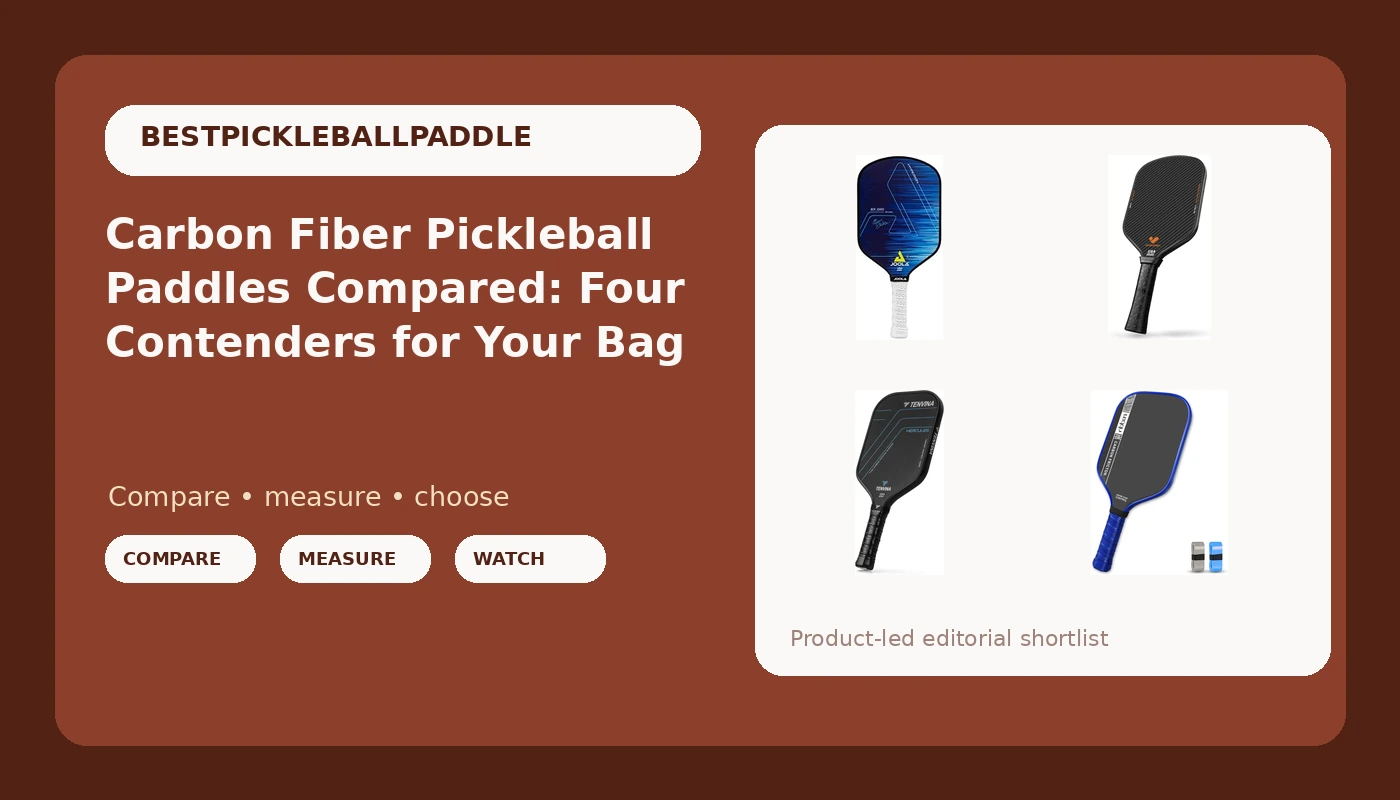
I keep a demo bin in the equipment closet at my club in Naples, and the question I field most often has nothing to do with technique. It is some version of "which of these carbon fiber pickleball paddles should I buy." Four hundred members, a 70-and-over doubles league, a pack of juniors who swing harder than I did at 25, and a steady stream of paddles that arrive with confident marketing and leave with peeling faces. So I built a demo program, and this comparison is the handout I give members before they order anything.
For most recreational players, a 16mm carbon face paddle from the entry tier does most of what the pro-model shape does, and the money you save buys lessons that will move your rating faster than any paddle will. That is the short answer. The long answer involves core thickness, face texture, grip length, and the question nobody asks until month three: what is going to wear out first.
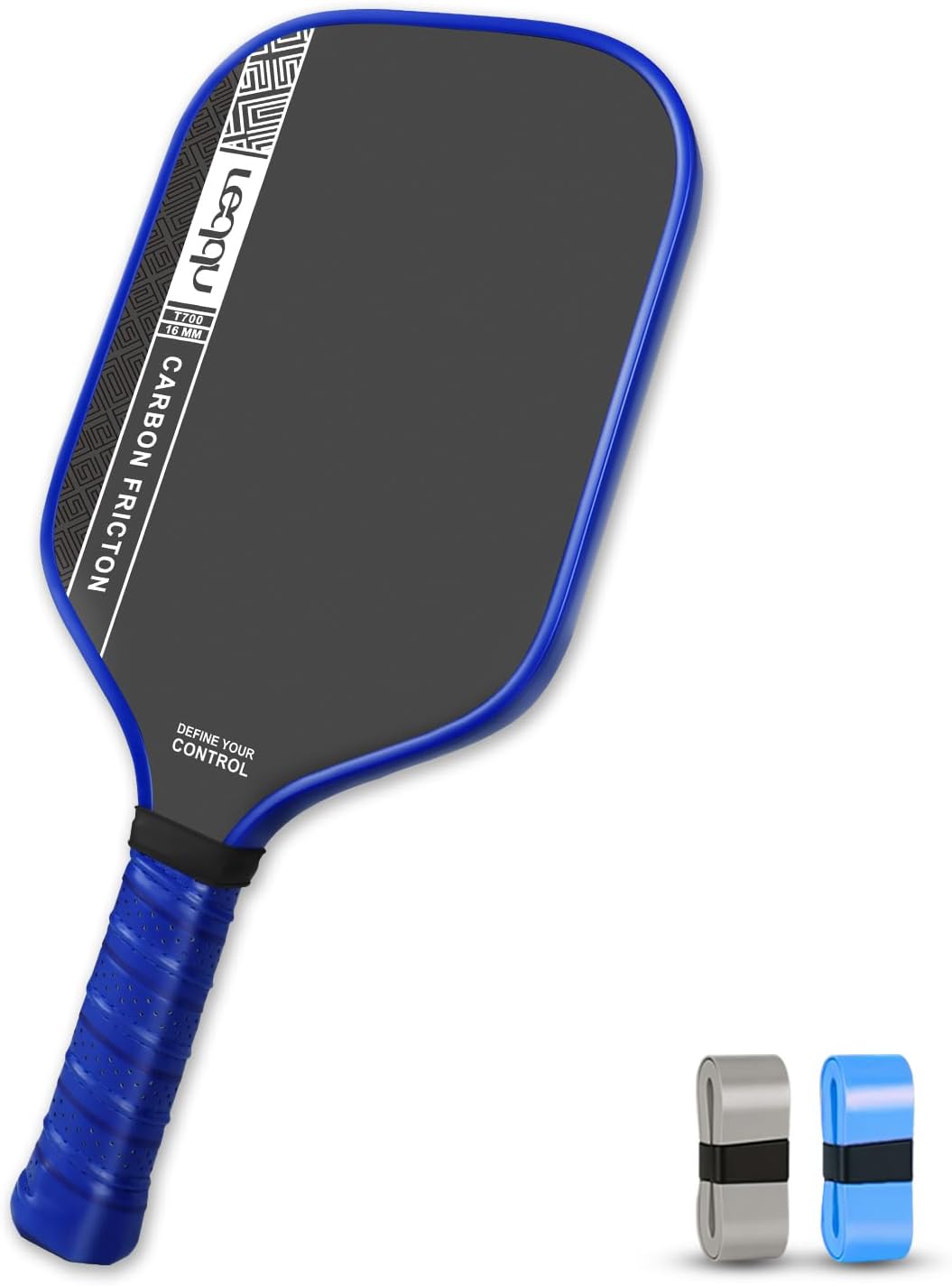
Pickleball Paddle Carbon Fiber Professional 16mm Graphite 7.6Oz Light
Lightest paddle in this group at 7.6 ounces, with a 16mm core that gives a softer, more forgiving feel on off-center contact
Generic branding with no approval claim in the listing, so you have to verify it yourself before you commit
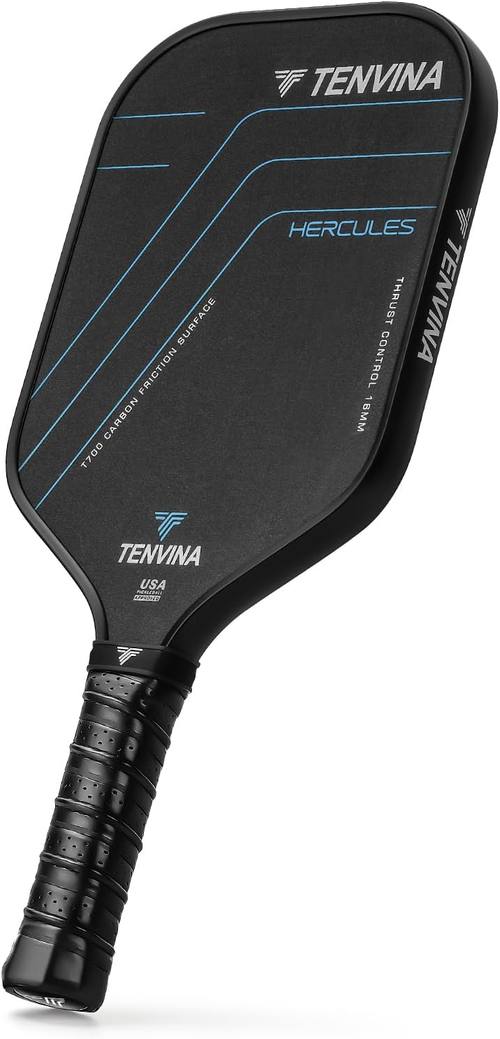
TENVINA Pickleball Paddles, Multi-Layer T700SC Textured Carbon Fiber Pickleball Paddle
Textured multi-layer T700SC carbon face aimed squarely at spin, USAPA approved, and sold in four shapes and thicknesses so you can match your game
The four-option lineup is a trap for anyone who has not decided whether they want elongated or wide, thin or thick
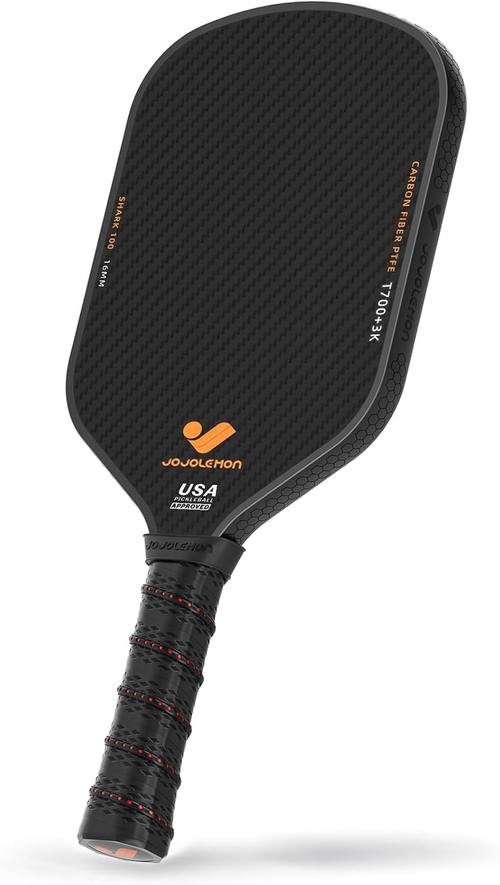
JOJOLEMON Pickleball Paddles, Carbon Fiber Pickleball Paddle with a 16mm Shark Power Polymer Core
The 16mm polymer core plus carbon face is the modern all-court recipe, and the design brief is consistency rather than highlight-reel power
Sits in the most crowded tier of the market, with no thermoforming story and nothing in the listing that separates it from a dozen similar paddles
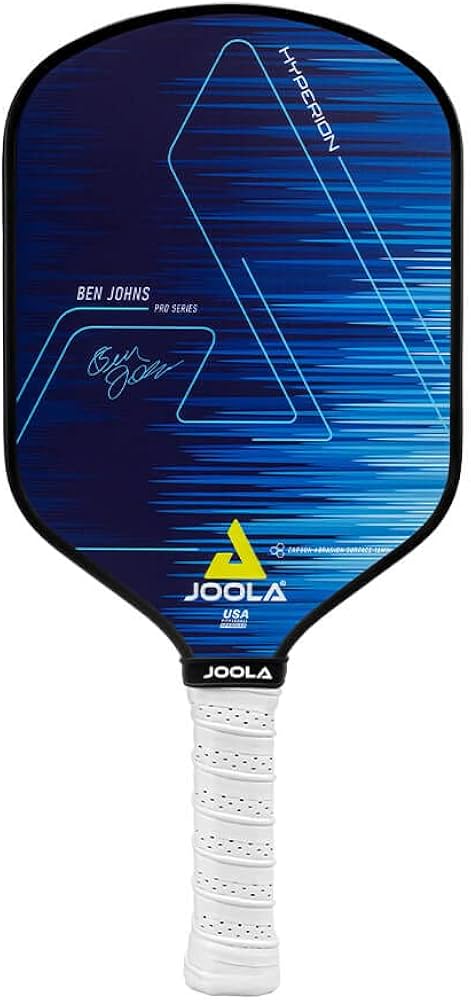
JOOLA Ben Johns Hyperion Pickleball Paddle
Elongated grip handle for two-handed backhands, a choice of raw carbon or carbon abrasion surface, USAP approved, and a brand with a real support and edge guard track record
You are paying the pro-model premium, and the elongated shape is a genuine liability for players who live in the middle of the court
Prices and availability were captured from Amazon Creators API and may change.
How I judge a paddle without trusting the box copy
I do not rank paddles on the words "power" and "spin," because every listing on Amazon uses both. I rank on things I can check with a tape measure and a calendar: core thickness, face material and how the texture is applied, grip circumference and grip length, edge guard construction, stated approval status, and the return window.
The failure points are predictable. Face texture is the first thing to go on a textured carbon paddle, and in Florida humidity it can flatten faster than the marketing implies. Grip tape is the second, especially for players who sweat through three shirts in a session. Edge guards are the third, and the most annoying, because a guard that catches the ball on a reset costs you points in a way that a dead face never will.
A paddle that feels wonderful for one session and dead by week six is a failed product no matter how it played fresh. That is the standard I hold every paddle to, including the four below.
The two entry-tier carbon paddles
The Pickleball Paddle Carbon Fiber Professional 16mm Graphite 7.6Oz Light is the lightest thing in this comparison, and the weight is the whole argument for it. At 7.6 ounces with a 16mm core, it is built for players who want the paddle to get out of the way: seniors with shoulder issues, players coming back from elbow trouble, and anyone who plays three hours of doubles and feels every ounce by the third game. The 16mm core is the same thickness the mid and top paddles here use, which tells you the control-first recipe has reached the bottom of the price ladder.
What it does not have is a story. There is no brand heritage, no approval claim in the listing title, and no published durability record. If you buy it, do two things first: confirm the paddle is on the approved list for the events you play, and check the edge guard and grip the day it arrives, because those are the parts that get skimped on when the price is low. Visit on Amazon → if a light, thick-core paddle at the bottom of the range is what you are after.
The TENVINA Pickleball Paddles model is the more interesting of the two budget entries, because it makes a specific technical promise: a multi-layer T700SC textured carbon fiber face built for spin, with USAPA approval stated in the listing and four shapes and thicknesses to choose from. Spin, in my experience, is 30 percent paddle and 70 percent technique, but a genuinely textured face gives you something to work with, and a T700SC layup is a real carbon specification rather than a vague "graphite" claim.
The catch is choice. Four shapes and thicknesses means four different paddles, and picking the wrong one is easy. If you are a beginner or a low-intermediate doubles player, the wide, thicker option is almost always the right call, because sweet spot size beats raw power for nine out of ten players. The elongated thin version will feel spectacular on the first day and demanding on the tenth. Visit on Amazon → to see which configurations are currently offered.
The mid-tier consistency pick
The JOJOLEMON Pickleball Paddles with the 16mm Shark Power polymer core is the paddle in this group I would hand to a 55-year-old recreational player who wants one purchase and no drama. The combination of a 16mm polymer core and a carbon fiber face is the modern all-court formula: enough pop to put away a high ball, enough dwell time to reset a hard drive, and a face that is not so slick that spin is hopeless.
The marketing leans on "ultimate spin and consistency," which is the kind of phrase I usually ignore, but the underlying spec is sensible. The problem is the tier it sits in. There are dozens of carbon face, 16mm core paddles at this level, and nothing in the listing tells you whether this one will still feel alive in March. If you are choosing between this and one of the entry-tier paddles, the honest question is whether the extra spend buys you a better edge guard and grip, because those are the parts that determine whether the paddle survives a season of doubles.
My advice: buy it if you want the 16mm carbon recipe from a listing that at least names its core technology, and treat the first two weeks as an audition. If the grip tape goes slick or the guard starts separating, send it back inside the return window. Visit on Amazon → to check the current configuration.
The pro-model shape, and whether you need it
The JOOLA Ben Johns Hyperion Pickleball Paddle is the known quantity here, and it earns that status. You get a choice of raw carbon surface or carbon abrasion surface depending on how much bite you want, an elongated grip handle that makes two-handed backhands comfortable, USAP approval, and a brand that has been through enough production cycles to have solved the boring problems: edge guards that stay attached, grips that do not turn to paste in a month, and a support channel that answers email.
The elongated shape is the real decision point, not the logo. An elongated paddle moves the sweet spot up the face and lengthens your reach, which is a gift at the kitchen line if you have the hand speed to cover the slightly smaller effective hitting area. For a player who blocks and resets in the middle of the court, that trade can go the wrong way. I have watched club members buy the pro shape because their favorite pro uses it, then spend two months fighting mishits they never had with a wide body.
And yes, you are paying the pro-model markup. The "pro model" premium is the worst deal in the sport right now for anyone below a 4.0 rating. If you are a 4.5 player with a two-handed backhand and a tournament schedule, the shape and the surface options are worth it. If you are not, you are buying a sponsor's name. Visit on Amazon → if the elongated handle is genuinely what your game is missing.
What the spec sheets do not tell you
Three things get left out of every listing in this comparison.
Approval status. Two of these paddles state approval in the listing, one does not, and one uses the USAP wording rather than USAPA. Those are not interchangeable details. If you play sanctioned events, check the current approved paddle list yourself before you order, and check again when the paddle arrives, because a listing claim and a physical label are not the same thing.
Thermoforming. Thermoformed versus non-thermoformed is the only real technology story in paddle construction over the last three years, and none of these four listings makes that claim. That is not automatically a knock, since a well-built non-thermoformed paddle with a good edge guard can outlast a badly sealed thermoformed one. But it does tell you these are conventional builds, and you should set your durability expectations accordingly.
What "carbon fiber" covers. A carbon face can mean a woven raw carbon layer, a textured laminate, or a thin sheet bonded to a polymer core. All four of these paddles are carbon-faced and all four will play differently, which is why I care more about core thickness and texture than about the word carbon appearing in a title.
Who should buy which
- Shoulder or elbow issues, or a senior doubles player who values a light swing: the Pickleball Paddle Carbon Fiber Professional 16mm Graphite 7.6Oz Light. Lightest in the group, thick enough core to be forgiving.
- A beginner or intermediate who wants spin help and a shape that fits their game: the TENVINA T700SC paddle, in the wide and thicker configuration. Verify the approval status for your events.
- A recreational player who wants one sensible all-court paddle and no fuss: the JOJOLEMON 16mm Shark Power model, with a hard look at the grip and edge guard in the first two weeks.
- An advanced doubles player with a two-handed backhand who plays tournaments: the JOOLA Ben Johns Hyperion, in whichever surface option matches the spin you actually generate.
What I tell members before they click buy
Demo first if you can, because core density numbers mean nothing without the same player swinging both paddles on the same night. Buy from a listing with a real return window, because the first two weeks tell you more about grip, guard, and face texture than any review can. And spend the difference on lessons if you are choosing between a pro-model paddle and a mid-tier one, because the paddle market is 90 percent marketing and 10 percent graphite, and the fastest way to a better rating is still a coach who will tell you your third shot is the problem.
If you take one thing from this comparison, take the boring answer: a 16mm carbon face paddle with a big sweet spot and a sturdy edge guard will beat a flashy pro model in the hands of almost everyone reading this. Check current Amazon price on all four, pick the shape that matches how you actually play, and give it ninety days of doubles before you decide whether it earned a permanent spot in the bag.