I have coached pickleball in Naples, Florida since 2019 at a club with 400 members, and I have watched a lot of people spend money badly on gear. This carbon fiber pickleball paddles comparison is the version of the conversation I have in the parking lot after league night, when a member is holding a paddle they bought off an influencer video and asking why their resets keep popping up.
The short answer: for most recreational players, a mid price paddle with a large sweet spot beats a light, stiff, expensive paddle they cannot control yet. If you are buying for a household, a set of two paddles in one order is the right first purchase, not one premium paddle.
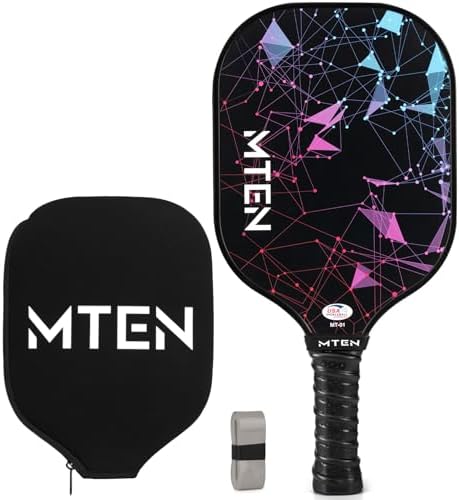
MTEN Pickleball Paddles Set of 2/4/1, USAPA Approved Fiberglass Rackets
Cheapest way to get two or four players on the court from one order, USAPA approved per the listing, forgiving fiberglass face
Set grade grips and edge guards wear first, and fiberglass gives up spin to a carbon face
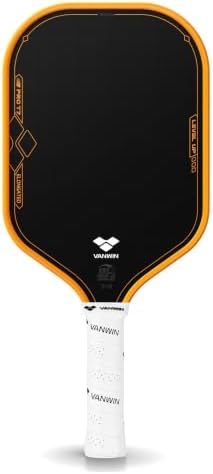
Pickleball Paddles Raw Carbon Fiber USAPA Approved for Intermediate
Raw carbon fiber face, USAPA approved per the listing, built for the exact bracket most club players land in
A carbon face rewards technique, so a true beginner will not feel the upgrade for months
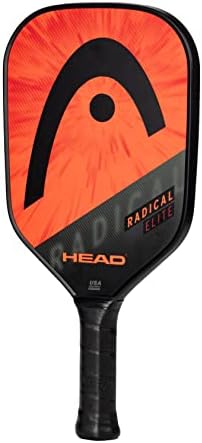
HEAD Radical Elite Pickleball Paddle
Recognizable name with a tennis lineage, a comfortable transition for players arriving from tennis
Single paddle, so you pay name brand money for one stick instead of two
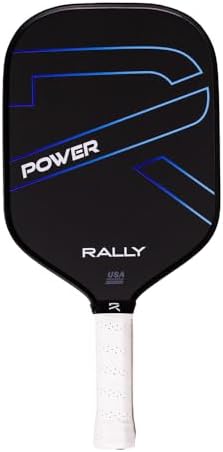
Rally Carbon Fiber Pickleball Paddles
Carbon fiber face at an accessible entry point, a real step up from a borrowed club paddle
The listing is plural, so confirm whether one paddle or a pair arrives before you order
Prices and availability were captured from Amazon Creators API and may change.
How I judge a paddle
Two tests, and neither one happens in the first ten minutes.
The Drill Session test is twenty minutes of cross court dinking and third shot drops. The question is simple: does the ball come off the face where I aimed it, or does the paddle add pop I did not ask for? A paddle that wins the drill session is a paddle that lets you swing at 70 percent and still land the ball in the kitchen.
The League Night test is three months of doubles in Florida heat and humidity. Does the face still have texture? Does the edge guard still sit flush against the core, or is it catching the ball on resets? Does the grip tape still exist, or has it turned into a sticky grey smear?
Marketing copy describes session one. Nobody writes copy about month three, and month three is where most paddles either earn a repeat recommendation or get handed down to a beginner.
The set question
The MTEN set answers a specific problem: four people, one order, one box, everybody on the court Saturday morning. The "Set of 2/4/1" in the name means you pick your count at checkout, so a couple can buy two and a family of four can buy four without buying anything twice. It is USAPA approved per the listing, which matters if you play anything organized.
What you get for that convenience is a fiberglass face. Fiberglass is not a dirty word in my book. It is forgiving, it has a wider effective sweet spot than a stiff carbon face for a player still learning where the center is, and it keeps the total cost of getting a household started low.
The trade off is texture and spin. A fiberglass face gives you less grit to work with, so the ball slides a little more on serves and dinks. Set grade grips are also usually the first component to fail, and in a Naples summer humidity turns cheap grip tape into a mess inside a month. Budget for replacement grips. You can read the full listing here: Visit on Amazon →.
If you are brand new to the sport, this is a smart way in. If you already play three times a week, skip it and read the next section.
Fiberglass vs raw carbon fiber, in plain language
Here is the technology story without the marketing.
A fiberglass face is a composite layer. It flexes a bit on contact, which spreads the impact across more of the face and gives you a slightly larger usable sweet spot. That flex is why beginners hit fewer dead balls with fiberglass than with a stiff carbon face. It is also why fiberglass feels softer on resets.
A raw carbon fiber face is stiffer and comes with a textured weave. The texture is what grabs the ball and helps you generate spin, and the stiffness gives you a more predictable response when you swing hard. The catch is that stiffness transfers more of the mishit back to you. Hit the edge of a carbon paddle and the ball dies.
That is the whole story. It is not that carbon is better. It is that carbon rewards a repeatable swing, and fiberglass forgives one that is still being built. A raw carbon paddle in the hands of someone who cannot find the center is an expensive way to hit worse.
The intermediate carbon pick
The raw carbon fiber paddle in this group is aimed squarely at the intermediate player, and the name says so. It carries a raw carbon face, it is USAPA approved per the listing, and it is built for the bracket where most club players actually live: the 3.0 to 3.5 player who has learned to dink, has stopped popping up every third shot, and now wants a face that will hold spin on a serve.
This is the paddle I would hand a member who has been playing six months, owns a fiberglass paddle, and asks what the next step is. You can see it here: Visit on Amazon →.
My honest caveat: if you are two weeks in, you will not feel the difference. The carbon face does not make you better. It makes a good swing slightly better and a bad swing slightly worse. Players who buy this as their first paddle usually come back to me complaining that it "feels dead," when what they mean is that they are hitting the edge.
The Rally pair
The Rally listing is carbon fiber and priced to be an entry point into carbon rather than a premium purchase. For a player stepping up from a borrowed club paddle or a fiberglass starter, a carbon face at this level is a reasonable middle rung on the ladder. Take a look: Visit on Amazon →.
One practical note. The name is plural, and I have seen too many members assume a two paddle set and open a box with one paddle in it. Confirm the quantity on the listing before you check out, especially if you are buying for a partner at the same time.
The HEAD name
HEAD comes from tennis, and the Radical Elite carries that DNA into pickleball. For a player who grew up with a HEAD racquet in their bag, the brand is a comfort, and there is nothing wrong with buying comfort. The Radical Elite is a single paddle with a familiar feel for someone making the transition from the baseline to the kitchen line.
The trade off is the same one I flag about every brand name purchase: you are paying for a name and a single paddle rather than two. If you are outfitting a couple, a set gets you on the court twice as fast. If you are one player who wants a known brand in your hand, this is a defensible buy. Check the listing here: Visit on Amazon →.
I will say the unpopular thing: the "pro model" markup in this sport is the worst deal going. A name on the throat does not add sweet spot. Whatever you buy, buy it because the face and the balance suit your game, not because a touring pro's logo is printed on it.
What actually wears out
Three things fail on recreational paddles, in this order.
Grips go first, especially in humidity. A grip that disintegrates in Florida summer is a $10 fix, so do not let it drive a paddle decision.
Edge guards go second. On an edged paddle, the guard is a bumper. Once it lifts, it catches the ball on low resets and you will feel it on every dink. This is where brands earn my repeat recommendations: the ones that fix their edge guards keep my members as customers.
Face texture goes third. Every textured face wears down with play. A raw carbon weave holds grit longer than a painted on surface, which is one more reason carbon is the intermediate standard. But no face stays new forever, and if a paddle feels amazing in week one and dead by week eight, that is a failed product no matter how it played fresh.
Who should buy which
Buy the MTEN set if you are new, if you are buying for a household, or if you are the person who ends up lending paddles to visiting friends. It gets the most people playing for the least money, and the fiberglass face will not punish a swing that is still learning.
Buy the raw carbon fiber intermediate paddle if you have been playing for a few months, you already dink more than you drive, and you want a face that holds spin. This is the upgrade I recommend most often at the club.
Buy the Rally carbon fiber paddles if you want to try a carbon face without jumping to a premium price, and confirm the quantity first.
Buy the HEAD Radical Elite if you are a single player who wants a recognizable brand and a familiar feel coming from tennis.
One last thing, and I mean it. The paddle market is about 90 percent marketing and 10 percent material. The biggest jump most of my members make in a season does not come from a new paddle. It comes from four lessons and a hundred third shot drops. Buy the paddle that fits the player you are today, then go practice.
What I am watching next
Two things. First, raw carbon faces are moving down the price ladder fast, and I expect the fiberglass versus carbon line to blur at the entry level within two years. Second, I am tracking the used market. The hype paddles from last season showing up at half price tell you exactly which ones held up and which ones were marketing. That is a better signal than any launch video, and it is the list I score every January.