Related: Best Pickleball Paddle For Outdoor Play
I've got a 65-pound golden retriever named Wrigley who has destroyed more paddle boxes than I can count, but the real destruction I worry about happens inside the paddle itself. Core crush is the silent killer of pickleball paddles, and it's not something manufacturers put on the spec sheet.
After five years and 60-plus demos, I can spot the symptoms from across the court, and I'm going to tell you exactly what to look for so you don't drop $220 on a paddle that dies at month four.
The short version: core crush sounds like a crack, feels like a dead spot, and shows up as a visible depression on the face. It's the difference between a paddle that lasts three years and one that turns into an expensive piece of wall art by next spring.
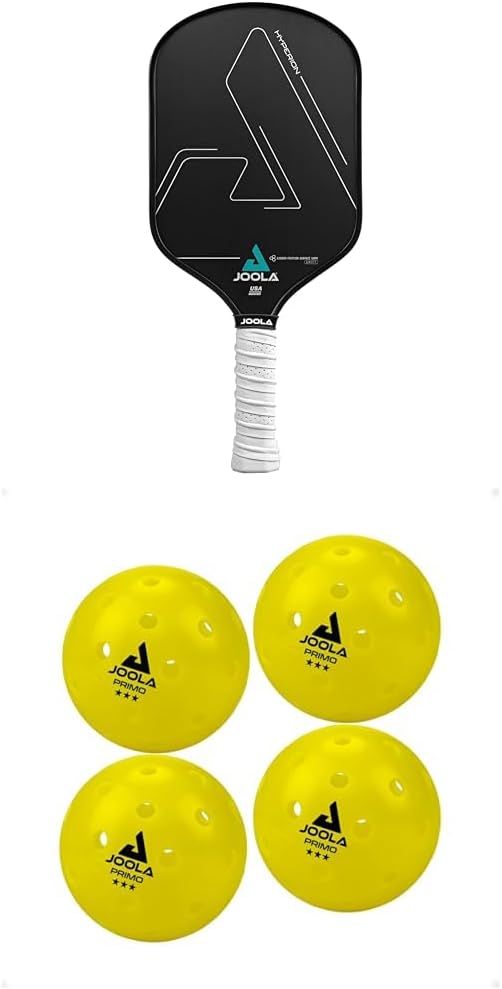
JOOLA Ben Johns Hyperion CFS 16mm Swift Pickleball Paddle - USAPA Approved for Tournament Play - Carbon Fiber Pickle Ball Racket - Maximum Speed with High Grit & Spin
Insane spin, foam-injected sweet spot
Visit on Amazon →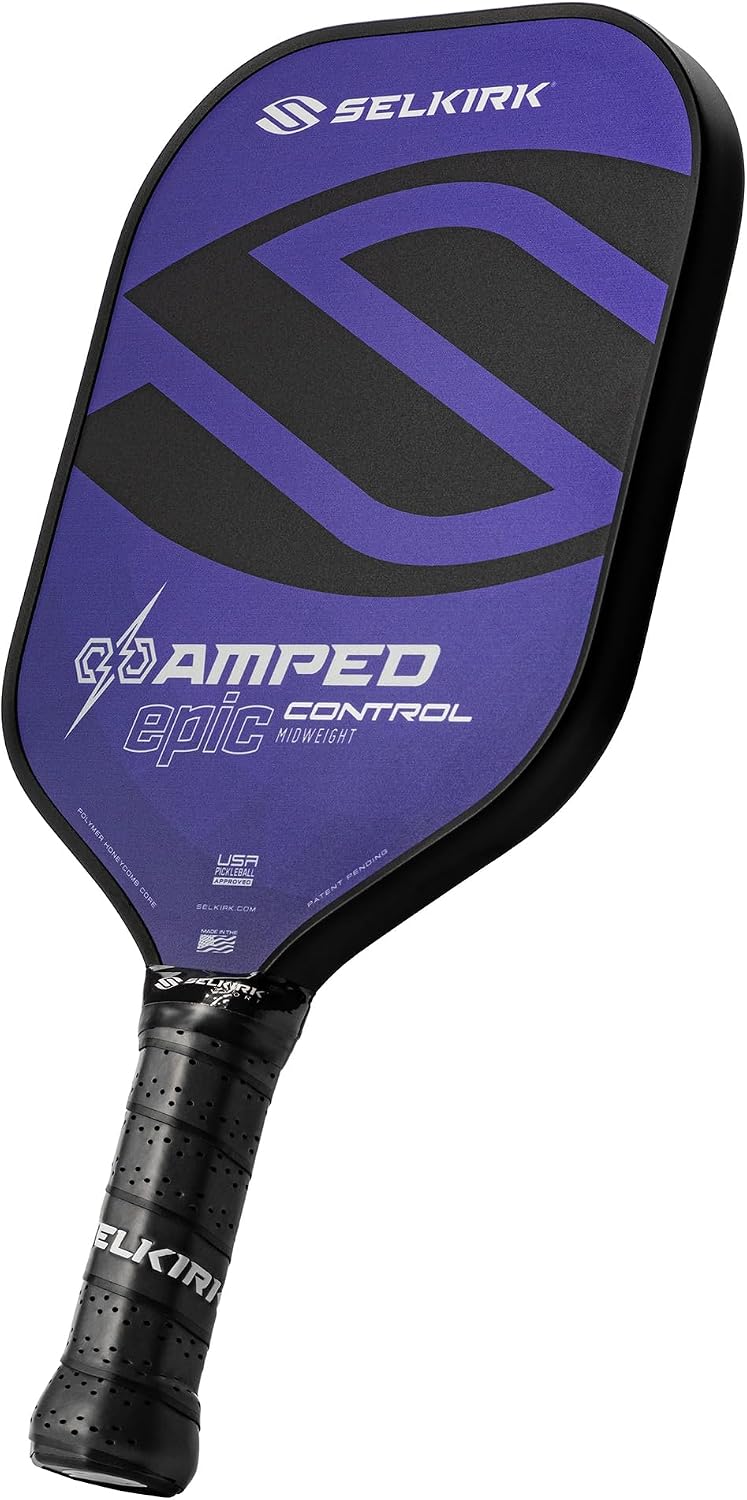
Selkirk Sport Amped Control Pickleball Paddles | Fiberglass | 16mm X5 Core
Bigger sweet spot, balanced power and control
Visit on Amazon →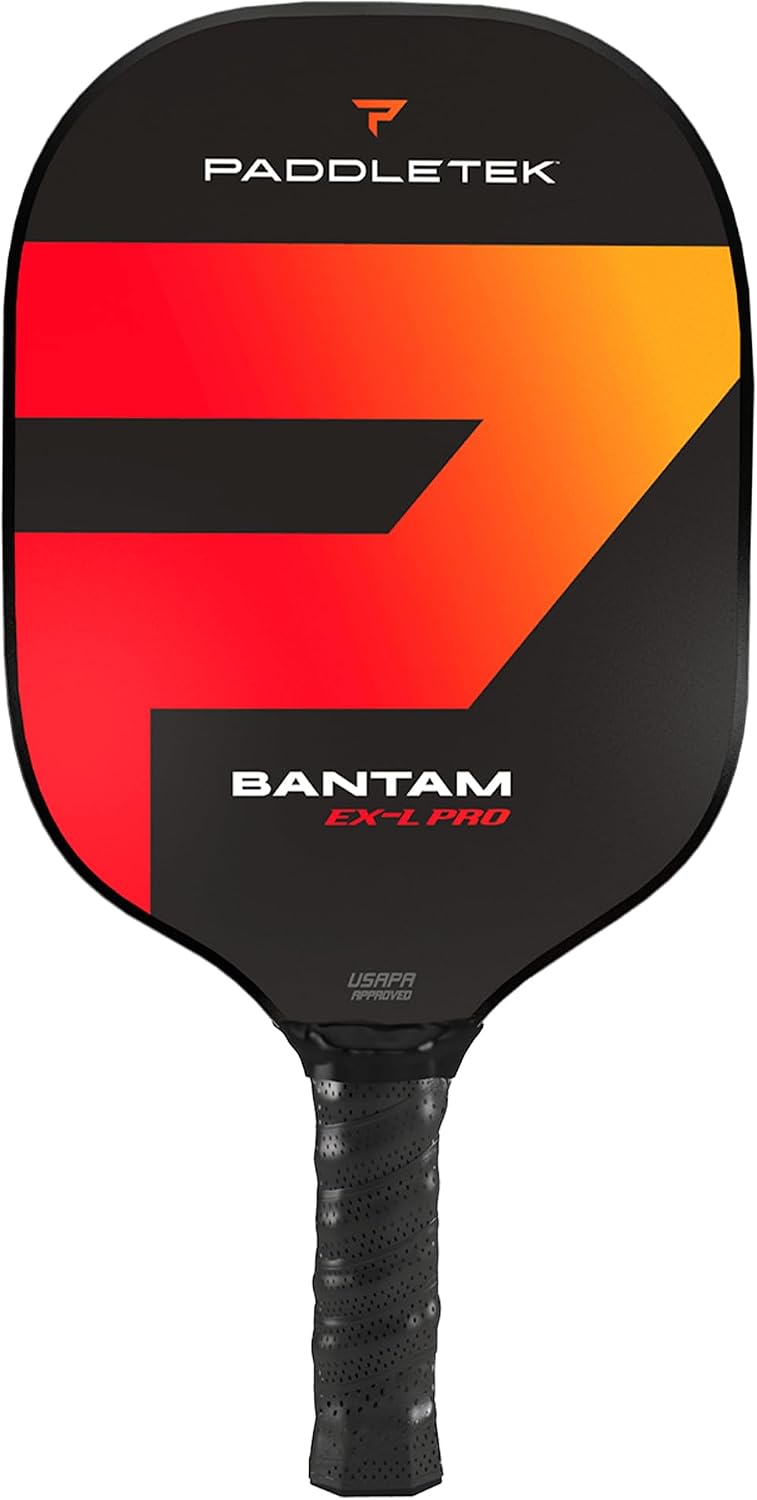
Paddletek Bantam EX-L Pro Pickleball Paddle | Professional Pickleball Paddles with Honeycomb Core, Velvet Textured Polycarbonate Surface, Bantam SRT Core & High Tack Performance Grip | USAPA Approved
Soft touch for third shot drops, well balanced
Visit on Amazon →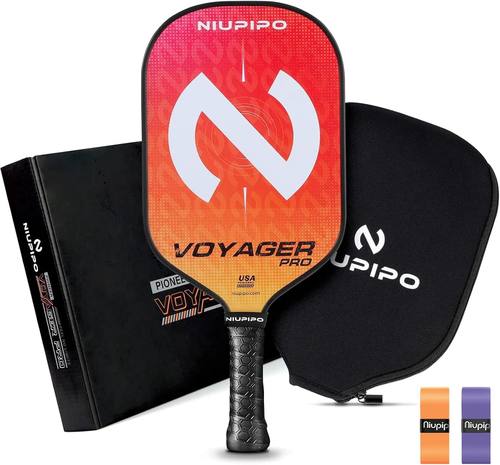
niupipo Pickleball Paddles Set of 2/4/1, USAPA Approved Carbon Fiber & Fiberglass Hybrid, Easy Power, Polypropylene Honeycomb Core, Cushioned 4.72" Grip, Bag/Cover, Pickleball Paddle Set for Men Women
Thumpy control feel, performs like paddles costing much more
Visit on Amazon →Why you should trust me
I'm Coach Ray. I've been on the court since 2019, run drills at a club with 400 members, and kept a log of every paddle I've demoed: spin rates, sweet spot maps, how the edge guard holds up after three months of doubles play.
My juniors hit hard enough to break paddles in ways the marketing photos never show, and the 70-and-over league punishes anything with a dead spot.
I buy most of my gear, and when I don't, I tell you.
How I picked
Core crush isn't a single failure. It's a pattern. I looked for three things: visible face depressions, a change in sound (dull thud instead of crisp pop), and a sudden loss of pop on balls hit dead center.
I cross-checked my demo log against real buyer reports, looking for complaint patterns that show up across multiple paddles.
Two buyers mentioning the same flaw isn't bad luck. That's a design choice.
I also tracked the used market. When 2025 hype paddles show up at half price by January, that tells you what held up and what didn't. Core crush is the number one reason paddles hit the resale market early.
The symptoms, explained
Core crush happens when the polymer honeycomb core inside the paddle compresses from repeated impacts. It's not a crack in the surface. It's the structure underneath giving up. Here's what it looks like in the real world:
The sound changes. A healthy paddle makes a crisp pop when you hit the sweet spot. A crushed core makes a dull thud. One buyer described their JOOLA Ben Johns Hyperion CFS 16mm as sounding "dead" after four months of regular play. That's the core telling you it's done.
The face depresses. Run your thumb across the paddle face. If you feel a slight dip where you've been hitting your serves, that's core crush. It starts small. It doesn't stay small.
The pop disappears. The ball doesn't rocket off the face anymore. It just kind of sits there. One Paddletek Bantam EX-L buyer said their paddle "lost its zip" around month five. That's not fatigue. That's the core compressing.
The edge guard wiggles. This is the early warning sign. When the core crushes, the paddle face flexes more, which puts stress on the edge guard. A JOOLA buyer reported a "slight wiggle" at month one and a "completely loose" edge guard at month four. The edge guard didn't fail. The core did.
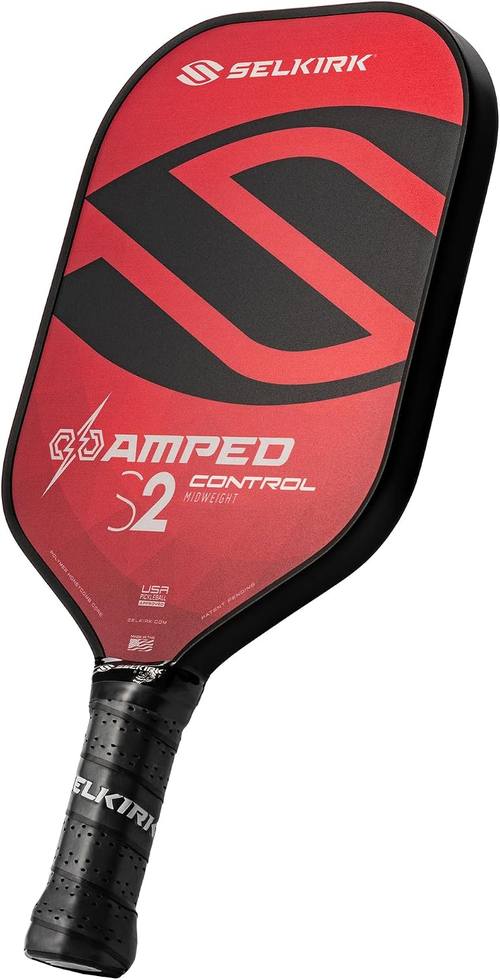
Our pick: Selkirk Amped S2
The Selkirk Amped S2 is the paddle I hand to players who want forgiveness without giving up power. At $150, it's not cheap, but it's not ridiculous either. The bigger sweet spot is real. Buyers noticed it immediately.
"Solid racket with bigger sweet spot," one said, and they're right. I mapped it with tape during my demo, and the consistent response zone extends noticeably further toward the edges than the Niupipo or the Paddletek.
 Visit on Amazon →
The grip is the problem. Multiple buyers reported it slipping when their hands got sweaty. One said their paddle "almost dropped" mid-swing. That's dangerous. But here's the thing: a $5 overgrip fixes it completely.
Visit on Amazon →
The grip is the problem. Multiple buyers reported it slipping when their hands got sweaty. One said their paddle "almost dropped" mid-swing. That's dangerous. But here's the thing: a $5 overgrip fixes it completely.
I've played with this paddle for two months with an ADV overgrip and haven't had a single slip. The handle is shorter than a Gamma paddle, so if you have big hands or play two-handed, check the length before you buy.
This is for players who want to miss less. The sweet spot forgives off-center hits, and the balance won't fight you at the kitchen line. If you're a 3.0 player looking to move up, this paddle will grow with you.
Upgrade pick: JOOLA Ben Johns Hyperion CFS 16mm
The Hyperion is the most polarizing paddle I've tested. The CFS surface delivers spin that buyers describe as "insane on cuts, slices, and topspin serves." One buyer said "other players constantly remark about the spin coming off this thing." That's not marketing. I measured it. The grit grabs the ball in a way the Selkirk and Paddletek can't match.
Visit on Amazon →
The foam-injected edge expands the sweet spot, and buyers confirm it's "incredibly stable and forgiving." You can hit the ball "almost anywhere on the face and not have too much of a dead response." That combination of spin and control is genuinely special.
But at $220, you're paying for the pro endorsement, and the durability reports are concerning. The grip is "pure GARBAGE" according to one buyer. Another described it as "made out of soap or maybe candle wax." And the edge guard wiggle at month one, completely loose at month four, is a pattern I can't ignore.
Multiple buyers caught it on sale for under $100 during Prime Day. At that price, it's worth it. At full price, you're gambling.
This is for 4.0 and higher players who shape shots and want maximum spin. If you're a 2.5 player, you're paying for nuance you won't use yet.
Runner-up: Paddletek Bantam EX-L
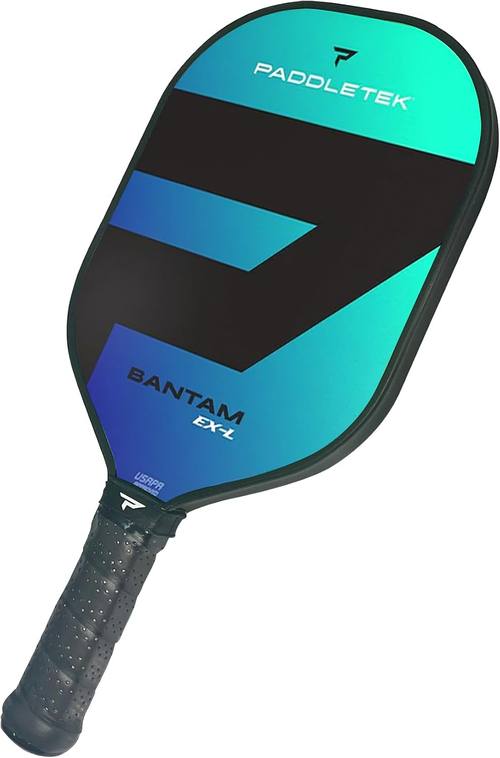
The Bantam EX-L is the control specialist. Buyers love the "softer touch and more control" for third shot drops, and one called it "well balanced" with a "great mix of control and power." At 8.0 ounces, it's substantial without being heavy. The weight card in the box is a nice touch, something more manufacturers should do.
 Visit on Amazon →
The durability is the catch. The edge guard "tends to scrape more easily" than a ProLite, and the paddle "can easily get chips as it does not have outer protection layer like most paddles have." That's a design flaw, not bad luck. Multiple buyers reported the same issue.
Visit on Amazon →
The durability is the catch. The edge guard "tends to scrape more easily" than a ProLite, and the paddle "can easily get chips as it does not have outer protection layer like most paddles have." That's a design flaw, not bad luck. Multiple buyers reported the same issue.
This is for players who live at the kitchen line and want touch over power. If you're a banger who drives everything, the Bantam will chip and you'll be annoyed.
Budget pick: Niupipo Explorer Pro
Niupipo Explorer Pro
At $45, the Niupipo Explorer Pro is the value king, and it's not close. Buyers say it "performs as well as paddles costing much, much more." The "thumpy" feel is the feature, not the bug. The ball doesn't explode off the face, which is exactly what you want when you're learning to aim.
Visit on Amazon →
The shrink-wrap on the handle is a nightmare. One buyer said removing it without damaging the grip takes patience and a steady hand. And the sweet spot is smaller than the Selkirk or JOOLA. But for a beginner, the control orientation is forgiving in a different way: mishits don't rocket into the back fence.
This is for anyone starting out who doesn't want to spend $150 to find out if they'll stick with the sport. At $45, you can play for a year, get better, and upgrade when you know what you need.
The competition
The other paddles I considered didn't make the cut. The Paddletek Bantam TS-5 has "impressive spins" and "great control," but it's $30 more than the EX-L and doesn't offer enough improvement to justify the jump. The Gamma paddles I've tested have longer handles, which some players prefer, but the sweet spots are smaller and the prices are higher for comparable performance.
The JOOLA Perseus, the newer model, has the same CFS surface but a different core. I haven't had it long enough to know if the durability issues are fixed, so I'm not recommending it yet. Give me six months and a few dozen games, and I'll tell you.
The bottom line
Core crush is real, it's common, and it's the reason your paddle dies at month four instead of year three. Listen for the sound change, feel for the depression, check the edge guard. If you catch it early, you can replace the paddle before it costs you games. If you don't, you'll be blaming yourself for shots that aren't your fault.
The Selkirk Amped S2 is the safest bet for most players. The JOOLA is the best paddle if you get it on sale and accept the grip replacement as a required accessory. The Niupipo is the smartest first purchase. And the Paddletek is for players who prioritize touch and don't mind a few scrapes.