I keep a demo bag by the court door at my club in Naples, Florida, and the question members ask me most is not "which paddle is best." It is "which of these four should I buy." That is a much better question. A carbon fiber pickleball paddles comparison only means something when the paddles in it are aimed at different players, and these four are aimed at four different players: a foam core control paddle, a raw carbon face built for intermediate hands, a familiar brand name at an entry price, and a multi-paddle package for households and loaner bins.
The short answer: if you play three or more times a week and want to feel the ball on the face, the Vatic Pro V-Sol Pro 16mm is the one I would hand you first. If you are moving up from a beginner paddle and watching your budget, the raw carbon fiber intermediate model is the value pick. The other two are for different jobs, and I will get to both.
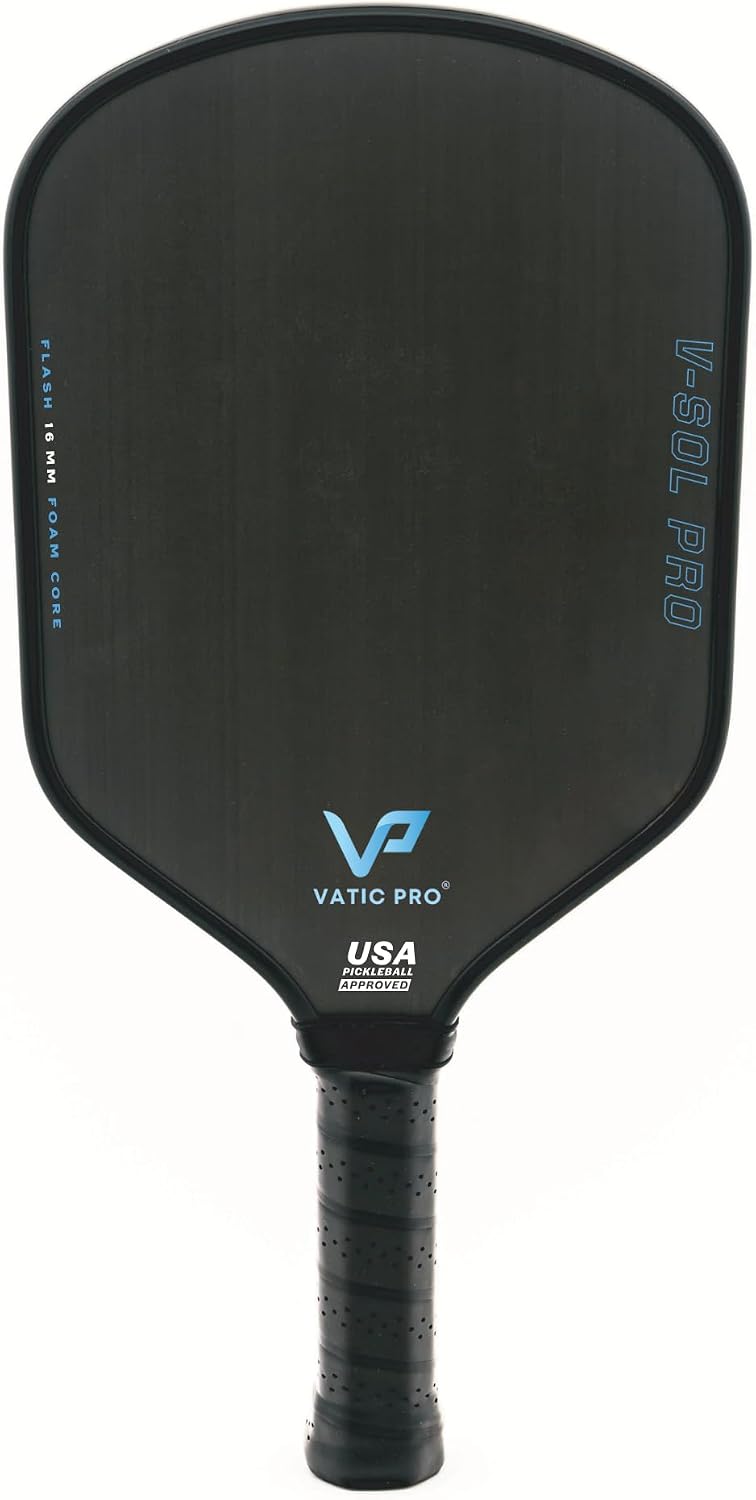
Vatic Pro - V-Sol Pro 16mm - Foam Core - Includes Paddle Cover
The most control-oriented build of the four, with a 16mm core and a cover included
Foam core and a thick core favor touch over free put-away power
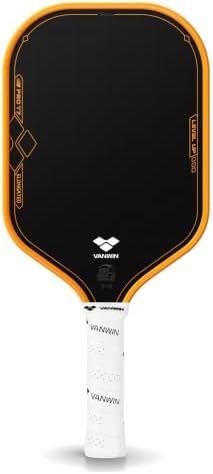
Pickleball Paddles Raw Carbon Fiber USAPA Approved for Intermediate
Raw carbon face at an intermediate price point, with an approval claim
The brief is the middle of the market, and advanced players will want more
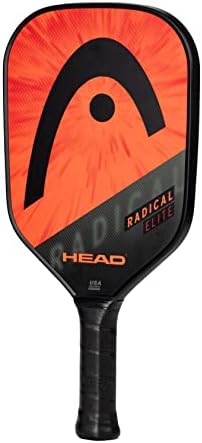
HEAD Radical Elite Pickleball Paddle
A recognizable name, easy to find, and a low-risk entry purchase
The listing name tells you no core thickness and no face material to compare
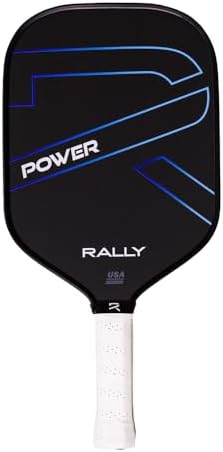
Rally Carbon Fiber Pickleball Paddles
Carbon fiber in a multi-paddle package, which is the right shape for families
A package buy is a compromise buy, and it is not the paddle for a 4.0 player
Prices and availability were captured from Amazon Creators API and may change.
How I read a paddle listing
After five years of coaching and a logbook full of demo notes, I check things in a fixed order: core thickness, face material, edge construction, and whether the model appears on the USA Pickleball approved list. Everything else on the box is decoration.
The one technology story that still matters is thermoformed versus non-thermoformed construction. Thermoforming bonds the face to the core under heat and pressure, and it is the difference between a paddle that feels solid across the whole face and one that feels hollow at the edges. None of the four names above lead with thermoforming, which tells you where they sit in the market: value and mid-tier, not premium. That is not an insult. The $80 to $150 band is where most recreational players should be shopping anyway.
The other number I look for is core thickness. A 16mm core plays differently from a 13mm core, and the difference shows up on resets and dinks long before it shows up on drives.
The foam core control paddle
The Vatic Pro V-Sol Pro 16mm is the most interesting paddle in this group because its name actually tells you something useful. A 16mm core is on the thick end of the current market, and thick cores are the honest path to a bigger sweet spot and a softer response. Foam core construction fills the inside of the paddle rather than leaving it hollow, which is a stability play, not a power play.
If your game is built on dinking, resetting hard drives, and keeping the ball in play, that is the profile you want. The included cover is a small thing that matters more than people admit. Paddles get scratched in bags full of keys and water bottles, and an edge guard that gets chewed up catches the ball on low resets. A cover is cheap insurance.
Here is the trade-off, and I will be blunt about it. A foam core 16mm paddle does not give you free power. If your problem is that you cannot put the ball away, this paddle will not solve it. Your legs, your shoulder turn, and a few lessons will. What it will do is make the shots you already hit land more often.
The raw carbon fiber intermediate paddle
The raw carbon fiber intermediate model is the value story in this comparison. Raw carbon means the face texture comes from the carbon weave itself rather than from a paint layer sprayed on top. That texture is what grabs the ball and generates spin, and it is the reason carbon faces took over the market.
Two things to know before you buy anything with "USAPA Approved" in the title. First, approval is granted per model and sometimes per colorway, so check the USA Pickleball approved paddle list yourself rather than trusting a product title. I have had members show up with paddles that claimed approval and were not on the list. Second, spin is roughly 30 percent paddle and 70 percent technique. I can put more spin on a club loaner than most players get from a premium paddle, because the paddle does not swing itself.
The "for intermediate" framing is accurate in the sense that matters. This is a paddle designed to be forgiving for a player who has learned the basics and is now playing three times a week. If you are a 4.0 or above chasing the last few percent, you will want a different tier. If you are a 2.5 to 3.5 player who has outgrown a heavy beginner paddle, this is the jump.
The brand name at the entry price
The HEAD Radical Elite is the paddle in this group I would describe as a known quantity rather than a specified one. You get a recognizable brand, wide retail availability, and a warranty path that does not require an email chain with a company you have never heard of. For a first season, a spare, or a guest bag, that has real value.
What you give up is spec transparency. The listing name gives you no core thickness and no face material, and that absence is information. A paddle that competes on construction tells you the construction. A paddle that competes on brand name and price tells you the brand name and the price.
If you are the player who wants to compare sweet spot sizes and face textures before spending money, this is not the paddle that will help you do that. If you are the player who wants a decent, familiar paddle in your bag by Saturday, it is a perfectly reasonable purchase, and it is the one I recommend most often to the 70-and-over league members who play twice a week and just want something predictable.
The two-paddle package
The plural in Rally Carbon Fiber Pickleball Paddles matters. This is a set, which is the correct shape for a family, a foursome splitting a purchase, or a club that needs loaners for a beginner clinic. Carbon fiber in a set is a genuine upgrade over the wood and cheap composite paddles that usually fill that role, and it means a new player is not learning on a plank.
The compromise is structural, not a knock on the brand. A package paddle is designed to be acceptable to everyone, so it is not optimized for anyone. You will not get a tuned core, you will not get a premium edge guard, and you will not get the face texture of a dedicated carbon paddle. What you get is two playable paddles for less than the price of one serious one, which is exactly what a household needs before anyone knows whether they will stick with the sport.
My advice: buy the set, play it for a season, and let the person who improves fastest buy their own paddle next year. That is a cheaper path than buying four premium paddles for a family that has played twice.
The trade-offs that actually decide it
Sweet spot versus power. Nine out of ten recreational players are better served by a forgiving face than by raw pop. Power you cannot control is just a faster way to lose. The foam core and the raw carbon intermediate paddle both lean forgiving. The entry-level paddle is neutral. None of these four is a power paddle, and for most of my club, that is the right outcome.
Durability. Edges chip and faces peel. The two things that fail first are the edge guard and the face texture. A paddle that plays beautifully for six weeks and deadens by month three is a failed product no matter how it felt fresh, and that is why I care about edge construction as much as I care about spin rate.
Grip tape in Florida humidity. Whatever you buy, plan on replacing the stock grip. Our courts are humid eight months a year, and cheap grip tape turns into a slip hazard by the second set. Budget for a fresh overgrip and you will enjoy any of these paddles more.
Price discipline. Below the value band you get dead cores and short lifespans. Above it you are paying for pro sponsorships and influencer codes. The four paddles here all sit in or near the sensible range, which is why I picked them.
Which one for which player
- First season, playing once or twice a week, or equipping a family: the Rally Carbon Fiber set.
- Moving from 2.5 to 3.5 and playing three times a week: the raw carbon fiber intermediate paddle.
- 3.5 and above who wins with control, dinks, and resets: the Vatic Pro V-Sol Pro 16mm.
- Guest bag, spare, or a player who wants a familiar name and no research: the HEAD Radical Elite.
Before you click buy
Verify the model on the USA Pickleball approved list, since approval is model specific and product titles are not always accurate. Check the return window, because a paddle that feels wrong in your hand on day one will still feel wrong in week four. Confirm whether you are buying one paddle or a set. And decide your grip size before you order, because re-taping a grip you hate is a five dollar fix and returning a paddle you hate is a two week hassle.
Bottom line
There is no single best paddle in this group, which is the honest answer to almost every gear question in this sport. Buy the construction that matches the shots you actually hit. If you want touch and a big sweet spot, go foam core 16mm. If you want value and spin for the intermediate climb, go raw carbon. If you want a dependable spare or a set for the household, go with the name brand or the package. Then spend the money you saved on a lesson, because that is the purchase that will actually move your rating.