I run the paddle demo program at a 400-member club in Naples, Florida, and I have watched more people buy the wrong paddle than I can count. Most of them did it after a 40-second influencer video, and most of them would have been better off spending that money on four lessons and a $90 paddle. So when someone asks me for a raw carbon fiber pickleball paddle comparison, I don't start with spin numbers or pro endorsements. I start with how often you play, how big your hands are, and whether you hit the ball hard enough to need a stiff face.
This group of four is a good test case because it covers three real price tiers of paddle plus one accessory that solves a problem nobody markets. Here is the short version before the details.
The SLK Halo is the most sensible all-court pick here for a recreational doubles player who wants one paddle to last two seasons. The SLK Helix Pro is the entry point for anyone moving up from a starter paddle. The Stealth is the spin-first option for players who already generate their own pace. The heat shrink tape is the cheapest fix in this article and the one most players should buy first.
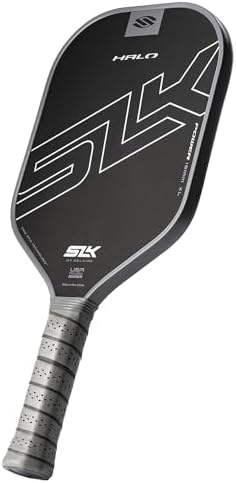
Selkirk Sport SLK Halo Pickleball Paddles, T700 Raw Carbon Fiber Paddle
T700 raw carbon face, the most balanced all-court build in the group, easiest to live with over a long season
Costs more than most recreational players need to spend
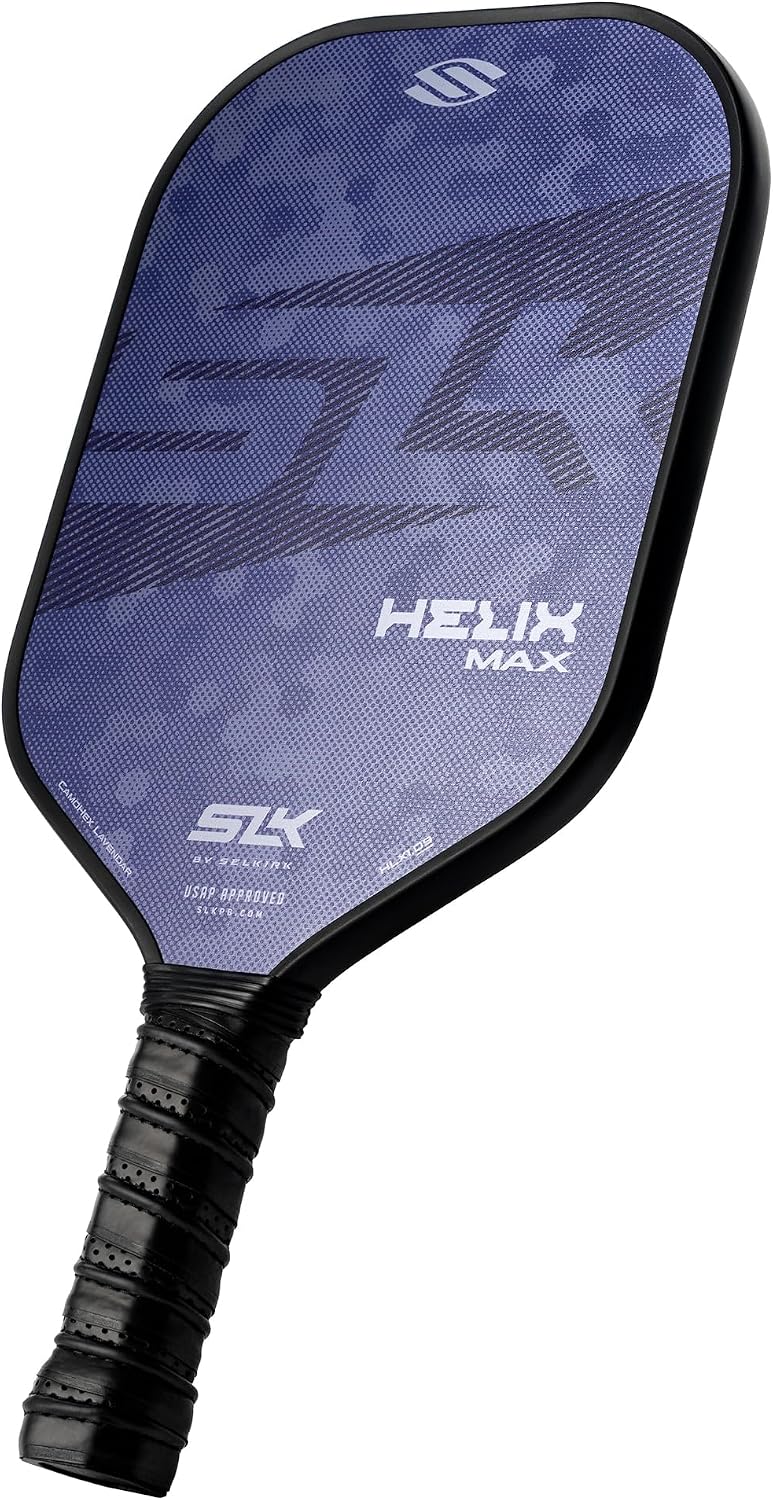
Selkirk Sport SLK Helix Pro Pickleball Paddles, Carbon Fiber and Fiberglass
Best value of the three paddles, forgiving face, right choice for a first upgrade
Less face bite than the raw carbon options, so spin is on you
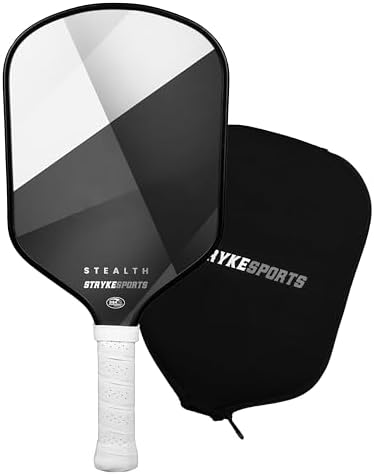
Stealth Raw Carbon Fiber Pickleball Paddle with Abrasion Surface, USA Pickleball Approved
Aggressive abrasion surface for players chasing spin and control, listed as USA Pickleball Approved
The most texture means the most wear, and it rewards good hands more than big swings
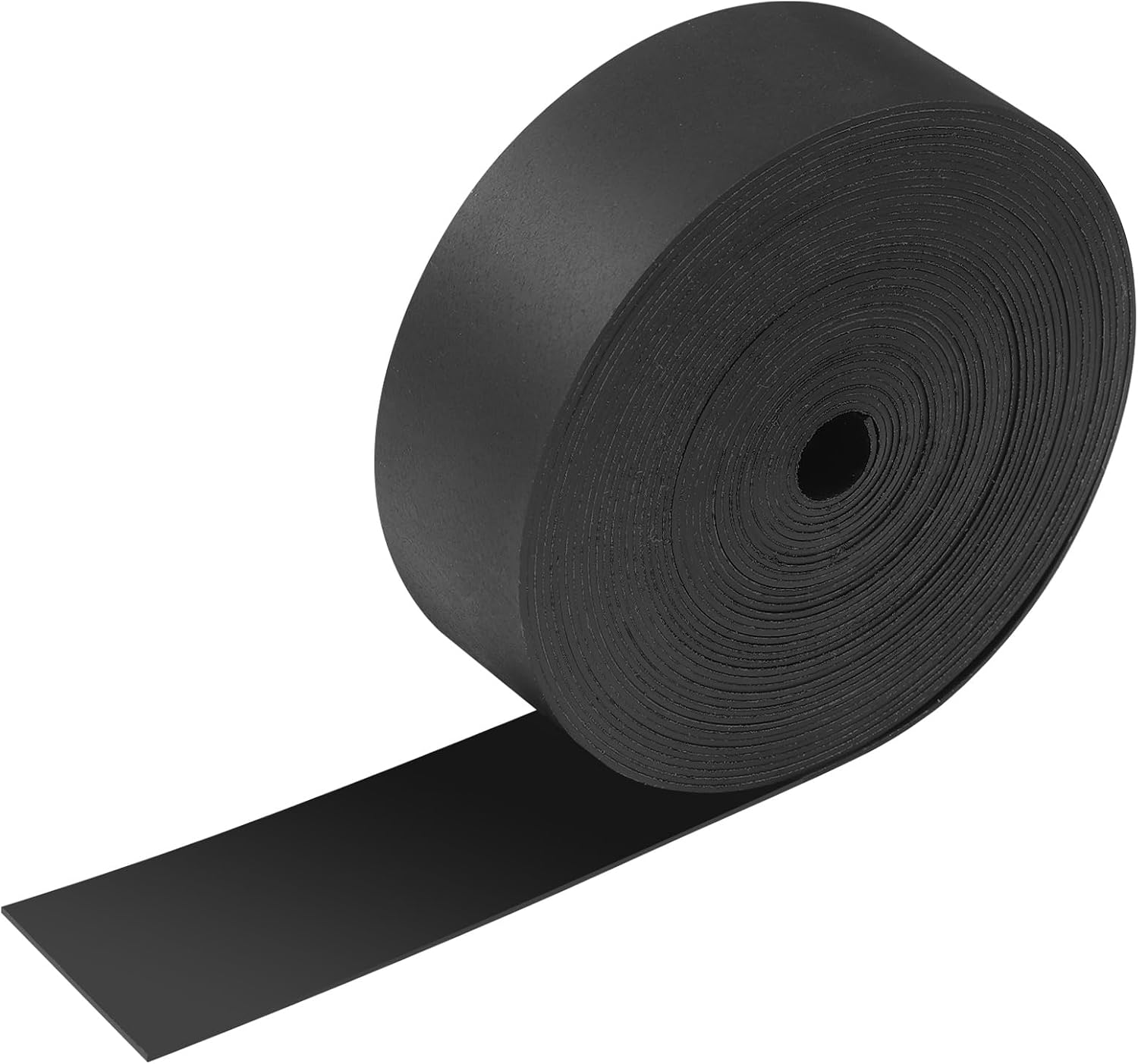
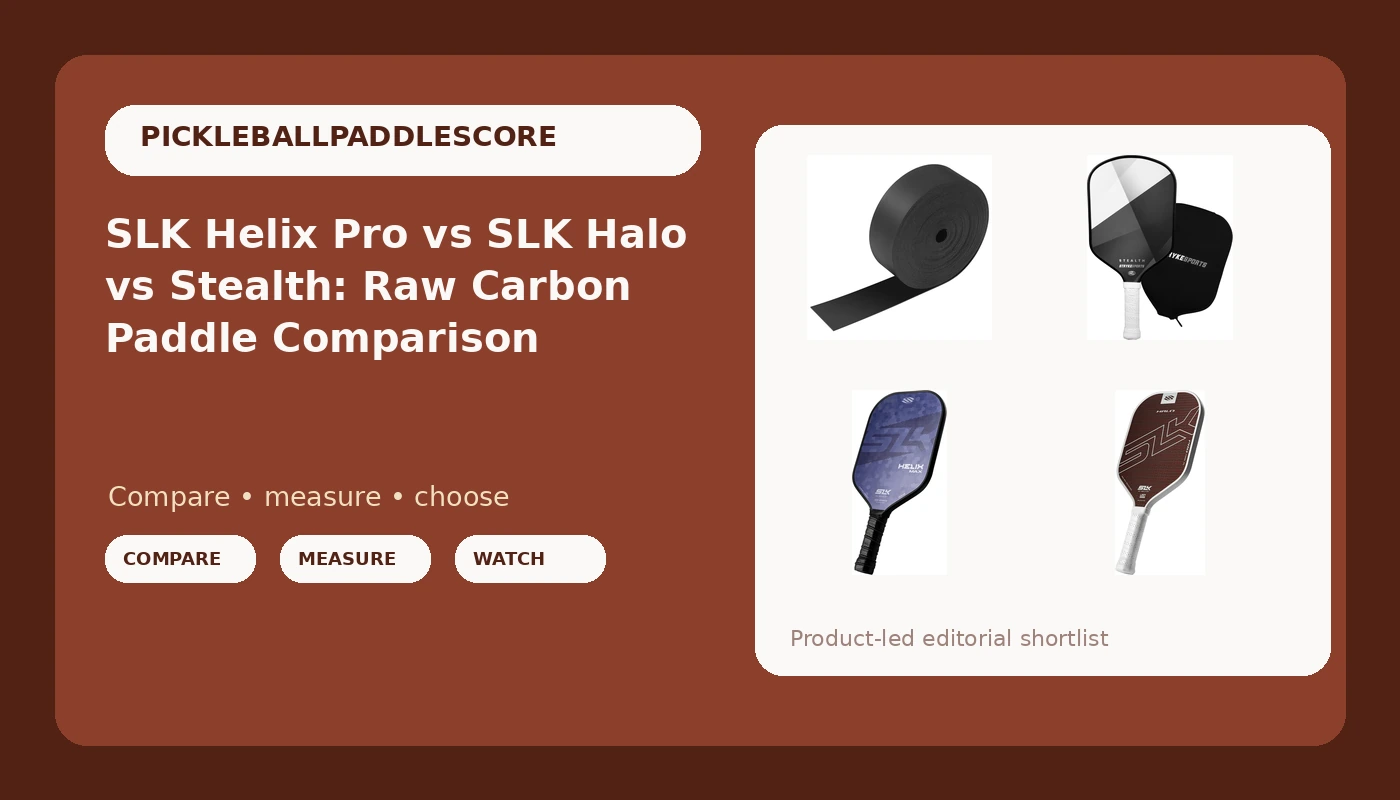
1 Inch Heat Shrink Tape Black Electrical Roll Shrinkable Wrap
Solves grip size problems for a few dollars, shrink-to-fit install under any grip
It is not a paddle, and it will not add spin, power, or sweet spot
Prices and availability were captured from Amazon Creators API and may change.
What "raw carbon fiber" actually means
Raw carbon fiber means the face texture comes from the carbon weave itself rather than a sprayed-on grit layer sitting on top of a painted surface. That distinction matters more than any other spec in this price range, and it is the reason raw carbon paddles have taken over the recreational market.
A sprayed grit face plays great in week one and smooths out by month two, especially in Florida humidity where everything wears faster. A raw carbon weave holds its bite longer because the texture is structural. It still wears. Every raw carbon face I have tracked loses some grab after a few months of hard doubles, and how fast depends on how many balls you hit, not on what the listing claims.
The second thing to understand: "raw carbon fiber" tells you about the face and nothing about the core. The core is where feel, sweet spot size, and forgiveness come from. A raw carbon face bolted onto a cheap, dead core is a marketing package, not an upgrade. That is why I care more about core thickness and whether a paddle is thermoformed than about the face material alone.
And the honest part, the one that costs me credibility with gear people: spin is about 30 percent paddle and 70 percent technique. I can put more spin on a rental paddle than most club players get from a $250 one. Buy texture if you want it, but buy it knowing what it does and does not do.
The Stealth: the spin-first build
The Stealth listing leads with an abrasion surface for spin and control, and it is the most aggressive face in this group. Abrasion surface means exactly what it sounds like: a rougher, more pronounced texture designed to grab the ball on contact. If you hit heavy topspin drives and you came to pickleball from a racket sport, this is the profile you are looking for.
The trade-off is durability and forgiveness. More texture means more material to wear down, and a rougher face can make a ball come off slightly differently on soft shots until you learn it. My club players who love textured faces are the ones with good hands who reset well. My players who fight the ball find that same texture makes their dinks less predictable for a few weeks.
One more thing, and this is a pet peeve of mine. The listing says USA Pickleball Approved. Verify that yourself on the USA Pickleball approved paddle list before you buy, because I have had members show up with paddles that claimed approval and were not on the list. That is a tournament problem, and it is your problem, not the seller's.
The SLK Halo: T700 raw carbon in the middle
T700 is a carbon fiber grade, and it shows up in a lot of raw carbon faces because it gives a good balance of stiffness and feel without the price of aerospace grades. Selkirk's SLK line is their value line, and the Halo sits in the middle of it, above the starter paddles and below the flagship stuff.
Here is what I like about it for the recreational majority. It plays like an all-court paddle rather than a specialist. It does not ask you to change your game around it. You can dink, you can drive, you can block, and nothing about the paddle forces a decision. That sounds boring, and boring is exactly what a 3.0 to 3.5 doubles player needs, because you are still learning which shots are yours.
The catch is the price. This is the most expensive paddle in this comparison, and for a player who plays twice a week in a rec league, the difference between this and the Helix Pro is real money that could go toward a series of lessons. My rule of thumb has not changed: the $80 to $150 range is the sweet spot for most players, and above that you start paying for pro sponsorships as much as for engineering.
If you are buying in this tier, confirm the construction details on the listing before you commit. Thermoformed or not is the first question I ask about any paddle in this price band, and it is the one specification that has actually changed how paddles play in the last three years.
The SLK Helix Pro: carbon and fiberglass at the entry price
The Helix Pro is described as carbon fiber and fiberglass construction, which is the hybrid approach you see at the entry price. Fiberglass layers tend to feel softer and more forgiving, with a bit more easy pop, while carbon adds stiffness and stability. In practice, that combination gives you a face that helps you rather than punishes you.
That is the right profile for two groups. The first is the player coming off a $30 big-box starter paddle, who needs a sweet spot they can actually find. The second is the senior player in my 70-and-over league who wants the ball to go where they aimed it without swinging harder than their shoulder wants to swing.
What you give up is face bite. The texture here is milder than the raw carbon options, so if spin is your whole reason for upgrading, this is not the paddle that hands it to you. But I would rather see a newer player with a forgiving face and a big sweet spot than a stiff spin monster they cannot control. Sweet spot size beats raw power for nine out of ten players I coach, and that includes most of the people reading this.
The cheapest fix in this article: heat shrink tape
This one is not a paddle, and I am including it because it solves a problem I see every single week at demo night. Most recreational paddles ship with a grip that is too small for a large share of adult hands, and a grip that is too small makes you squeeze harder, which shows up as hand cramping, forearm tightness, and over-gripping on every dink.
Heat shrink tape is a black electrical-style roll that slides over the handle under your grip and shrinks tight with heat from a hair dryer or heat gun. One wrap builds up roughly a grip size depending on the tape thickness and how you overlap it. You put it under the factory grip or under a replacement grip, and the handle finally fits your hand.
Two warnings. First, work in small increments, because you cannot un-shrink it, and a grip that is too big is its own problem. Second, do not expect this to change how the paddle plays. It changes how your hand feels, and for a lot of players that is the difference between playing three games and playing eight.
It is also worth having a roll in your bag for the other reason: grip tape in Florida humidity gives out faster than anywhere else I have played, and having the materials to redo a handle on a Saturday morning beats driving to a shop.
What actually fails first on a paddle
I keep a log for the paddles that come through my demo bag, and the failure order is remarkably consistent. Face texture goes first. Edge guards go second, usually as chips or a lifted lip that starts catching the ball on resets. The core goes last, and when it goes, it goes quietly, which is why so many players keep using a dead paddle for two months without noticing.
That is why I judge paddles on how they play at month three, not on how they feel out of the box. A paddle that feels amazing for one session and dead after six weeks is a failed product no matter what the spec sheet says. The brands that keep my repeat recommendations are the ones that fix their edge guards when players complain.
The test that matters is not a spec sheet. It is the same player, the same partner, the same drill, three months apart. If you cannot tell the difference between your paddle on day one and your paddle on day ninety, you either bought well or you are not hitting enough balls.
How I would sort these four at demo night
If you are brand new, or coming back after a few years away, start with the Helix Pro. It is the most forgiving of the three paddles here, and it will not punish the shots you are still learning. Add the heat shrink tape if your hand does not fit the stock grip, which it probably does not.
If you play three or more times a week in a doubles league and you want one paddle to carry you through a couple of seasons without thinking about gear again, the Halo is the pick. It does not specialize, and for most recreational players that is a feature.
If you already hit with heavy spin, you came from a racket sport, and you want the face to do more of the work, the Stealth is the one to look at. Just confirm the approval status yourself and expect the texture to wear faster than the other two.
The part nobody wants to hear
None of these paddles will fix a bad third shot. I have watched players spend $250 and lose to the same people they lost to with a $60 paddle, because the paddle was never the problem. If you have budget for one gear purchase and one lesson this month, take the lesson. If you have budget for both, buy the Helix Pro and the heat shrink tape and put the rest toward court time.
The paddle market is 90 percent marketing and 10 percent graphite. That does not mean the gear does not matter. It means the gear matters less than the person holding it, and the best purchase most players can make is the one that fits their hand and their game instead of the one that won an influencer's giveaway.