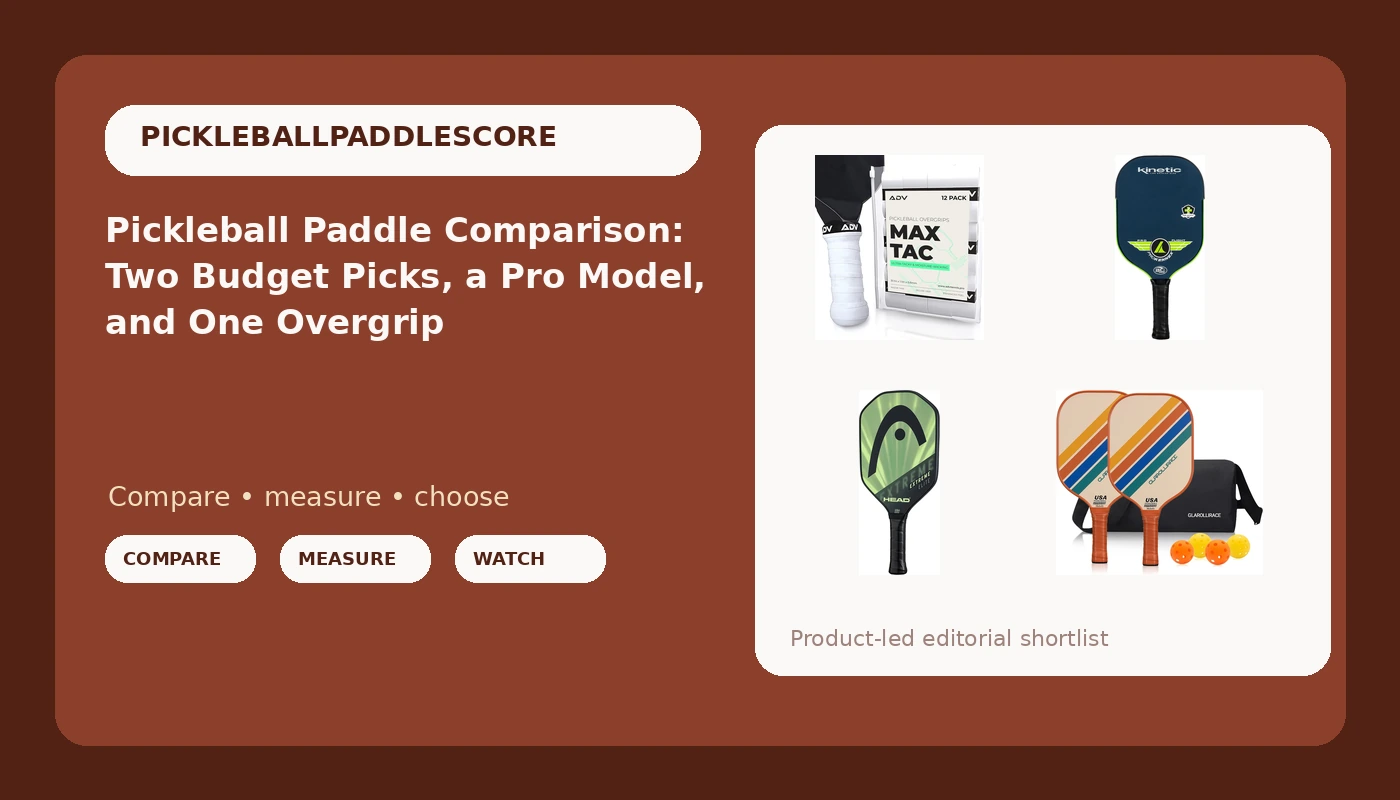
I run a demo program for a club with 400 members, and the most common thing I see on court is a player who bought a paddle off a fifteen second video and cannot explain what they like about it. That is why I keep writing a pickleball paddle comparison instead of a list of winners. The useful question is not which paddle survives a shootout. It is which paddle fits the player holding it, the budget behind it, and the third month of ownership.
Related: Pickleball Paddle Grips and Overgrips Explained
The short version: for a brand new player, the Head Extreme Elite is the sane first paddle in this group. If you need two paddles for a driveway or a loaner bin, the set of two is the practical buy. The ADV MaxTac overgrip is the least expensive real improvement most players can make this month. The ProKennex Pro Flight is a good paddle that most recreational players cannot justify.
Here is the whole comparison in one table, followed by the explanation I would give a member between games.
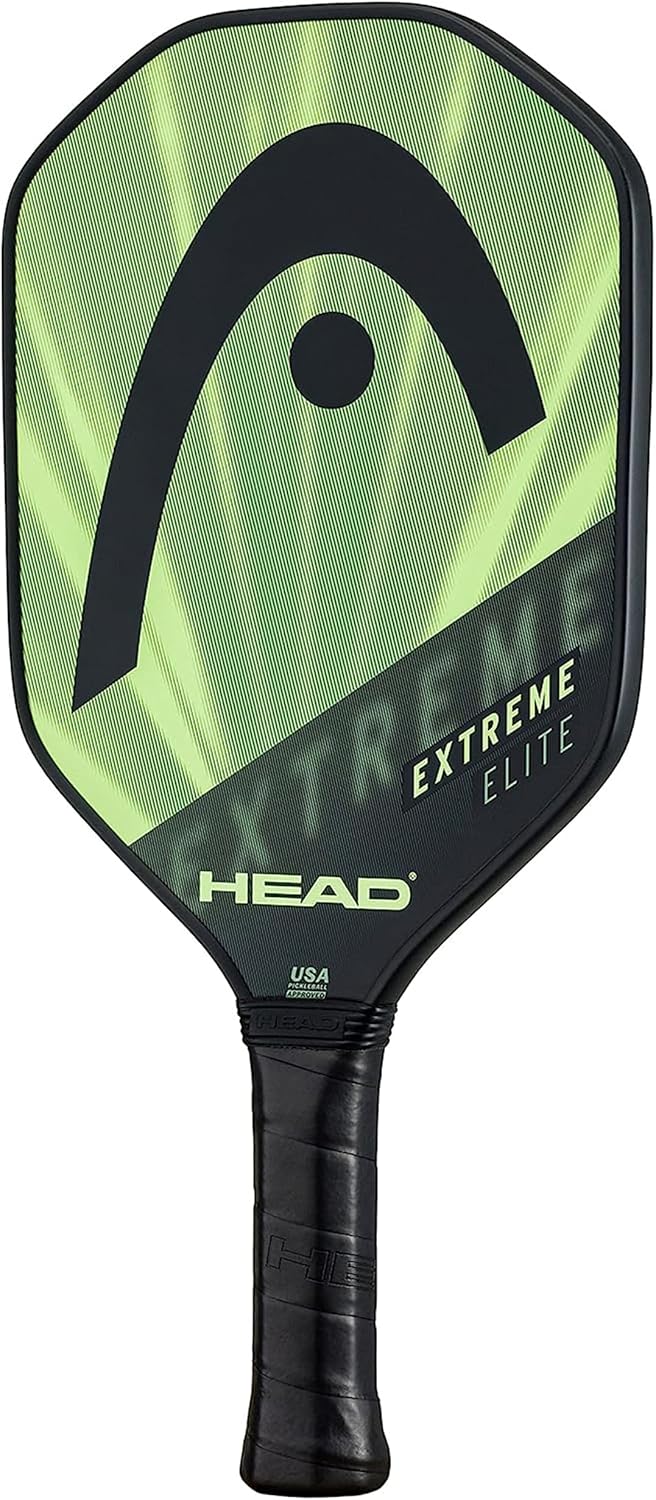
Head Extreme Elite Fiberglass Paddle with Honeycomb Polymer Core & Comfort Grip
The honest beginner recipe: forgiving fiberglass face over a honeycomb polymer core, plus a comfort grip that suits smaller hands
Face texture will fade, edge guard takes the first damage, and it is not the paddle you keep at 4.0
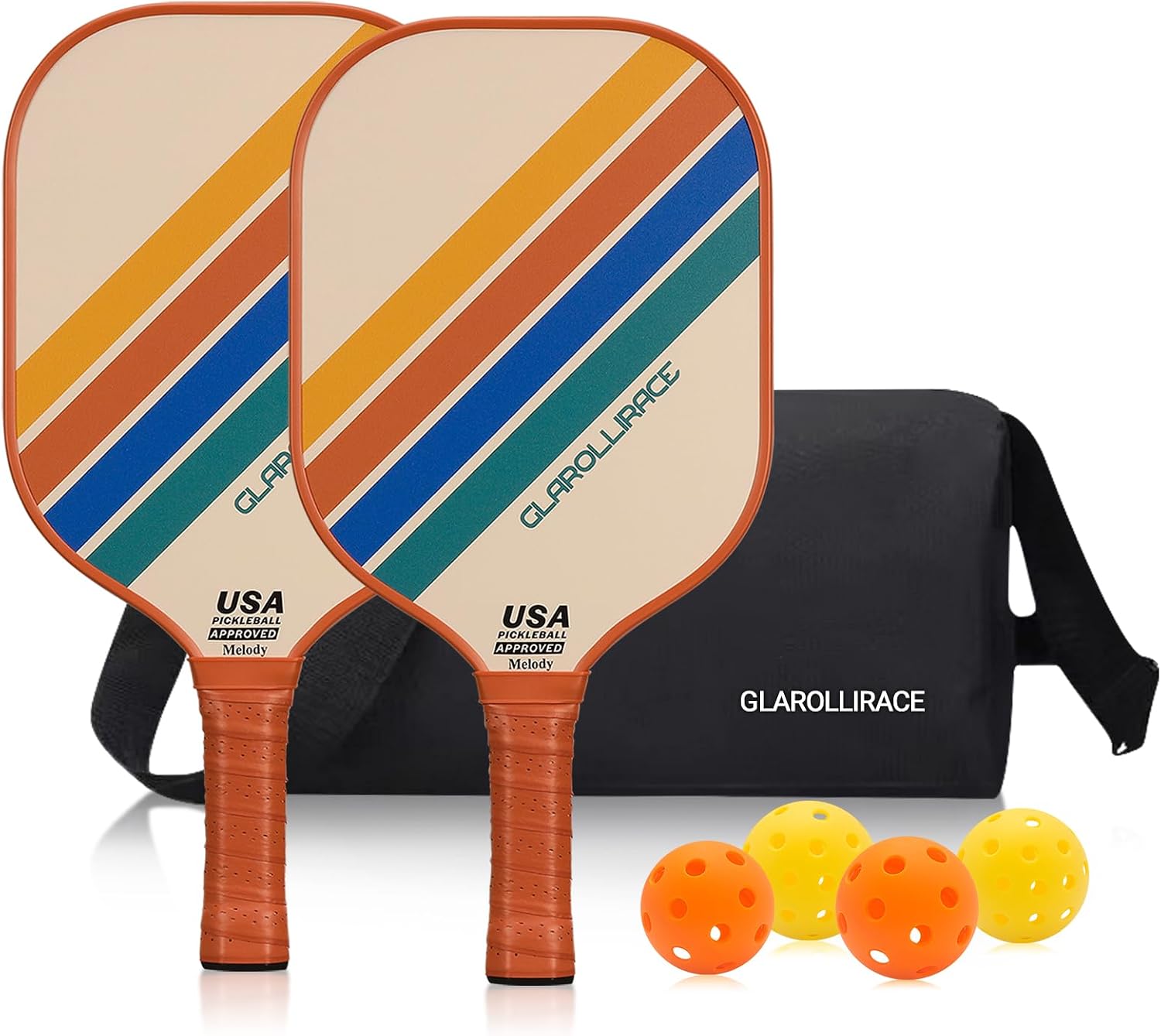
Pickleball Paddles Set of 2, 4 Pickleball Rackets, USAPA Approved, Fiberglass and Carbon Fiber Surface with 13 mm PP Honeycomb Core, 4 Indoor and Outdoor Balls
Buys you the ability to play: two paddles, four balls, indoor and outdoor options, and a USAPA approval claim on the listing
One shape and one weight class for everyone, so the better player outgrows their half fast
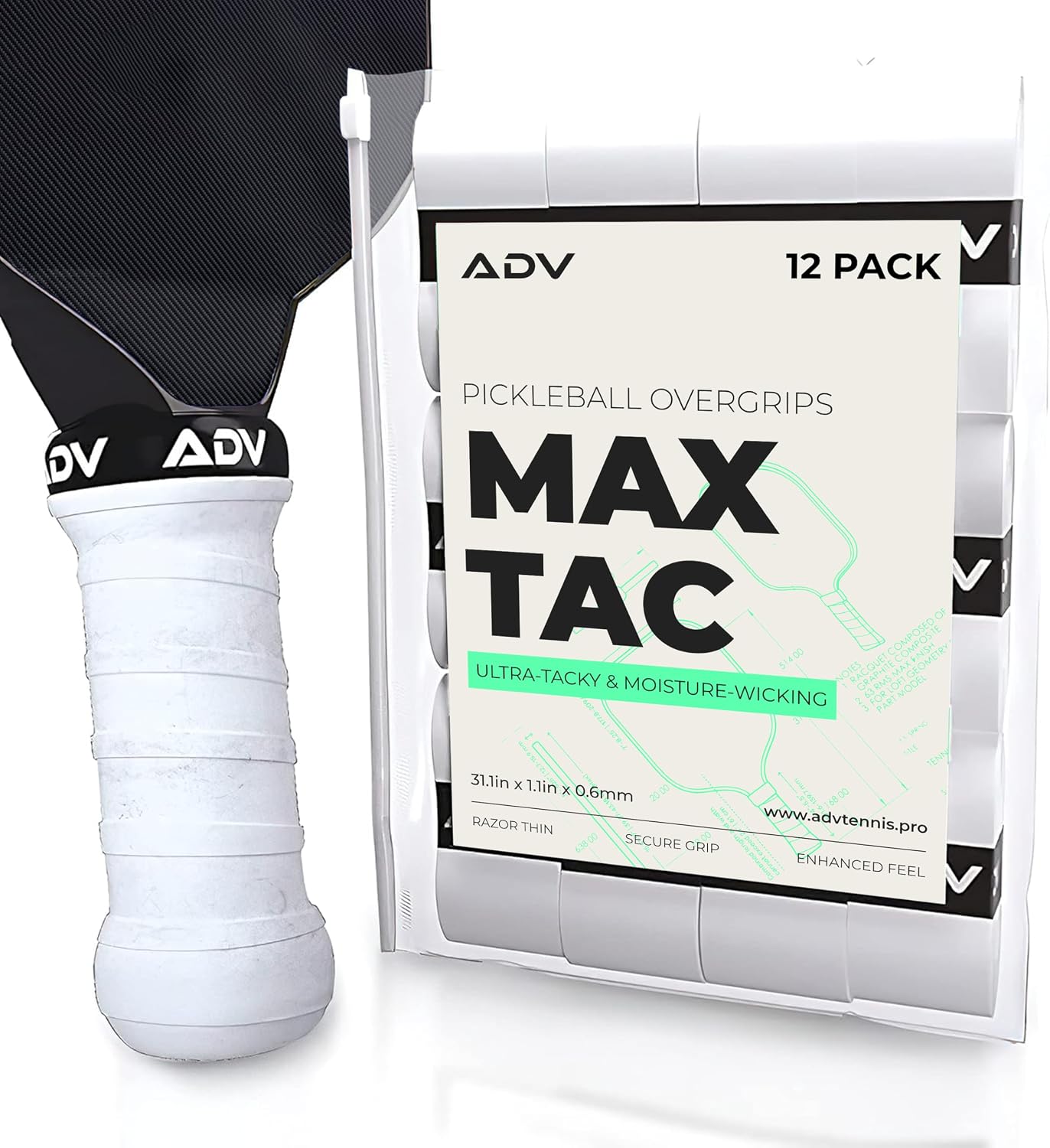
ADV MaxTac Pickleball Paddle Grip Tape - Tacky Moisture-Wicking Overgrip
A tacky, moisture wicking wrap that stops the twist in a sweaty hand for two minutes of work
It is a consumable, not a cure, and the tack fades faster in a Florida July than in January
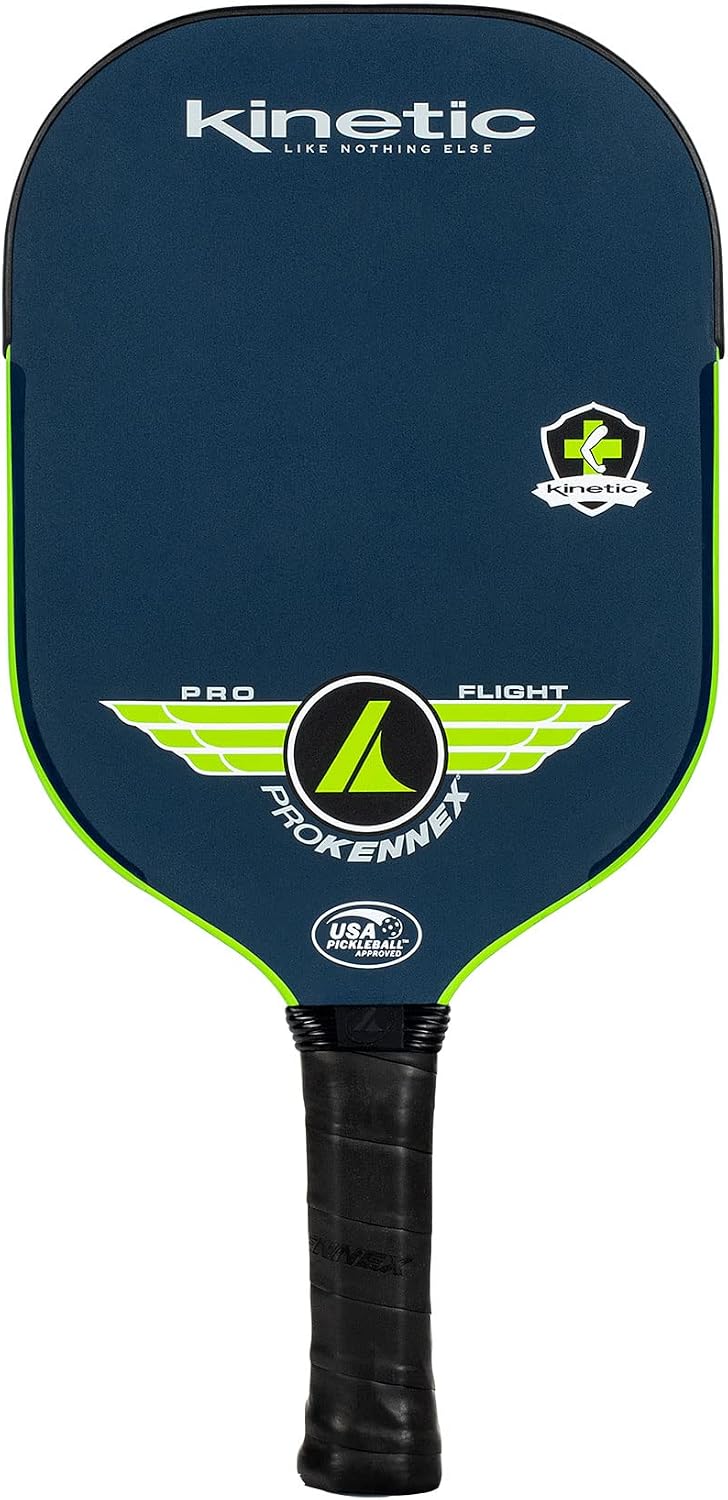
PROKENNEX Pro Flight Pickleball Paddle
A real racquet-sports brand with a paddle built for players who already have strokes and know their feel
The pro model markup, and more paddle than a 3.0 player can control
Prices and availability were captured from Amazon Creators API and may change.
What actually matters in this comparison
I coach amateurs, from juniors to the 70 and over doubles league, so my criteria are boring on purpose. Sweet spot size first, because nine out of ten players do not need power they cannot control. Durability second, because a paddle that feels wonderful in week one and dead in week six is a failed product no matter what the launch video claimed. Grip and handle comfort third, because in Naples the humidity does more damage to a hand than any opponent does.
Thermoforming is the one real technology story of the last three years, and it matters more than any face material marketing. Most paddles at the budget end of this comparison are not thermoformed, and that is fine, because the player buying them is not yet at the level where a molded edge changes an outcome. What changes an outcome for a 3.0 player is a bigger sweet spot, a grip that does not rotate in a wet hand, and a paddle that is still playable in October.
Core density numbers mean nothing without the same player swinging both paddles. I have watched a 70 year old with a compact swing out rally a 30 year old with a power paddle, because the senior player could hit the same shot twice in a row. Consistency wins at club level, and consistency is a sweet spot conversation, not a power conversation.
The budget end: Head Extreme Elite
The Head Extreme Elite Fiberglass Paddle with Honeycomb Polymer Core & Comfort Grip is the entry point in this group, and it is built from the standard beginner recipe. Fiberglass over a honeycomb polymer core, with a comfort grip that suits a smaller hand. Fiberglass is the honest choice for a first paddle: it is softer than carbon fiber, it flexes a little on contact, and that flex gives you forgiveness on off center hits. Carbon fiber faces are stiffer and produce more pop and more spin potential, but they punish a late swing, and a beginner is late on a lot of swings.
What I like here is that the paddle does not pretend to be anything else. There is no pro model markup attached to it and no influencer code baked into the listing. If you are four sessions into the sport and still borrowing from the club bin, this is the row I would circle. Play it for six months and put what you saved toward a block of lessons. You will improve faster than the player who spent the difference on a paddle they cannot yet control.
What I do not like is what I dislike about every paddle at this price. The face texture will not hold the way a premium grit face does, and the edge guard is where these paddles always fail first. If you play twice a week, expect scuffs on the edge before you see them on the face. That is normal, and it is not a reason to avoid the paddle. It is a reason to buy it knowing exactly what it is.
The set of two: driveway, family, and loaner bin
The Pickleball Paddles Set of 2 is a different kind of purchase. You are not buying your paddle, you are buying the ability to play. Two paddles, four pickleball rackets worth of coverage in the household, a USAPA approved claim on the listing, a fiberglass and carbon fiber surface over a 13 mm PP honeycomb core, and four indoor and outdoor balls in the box.
The case for it is simple. Most people who quit pickleball in the first month quit because they never got on a court with someone at their own level. A set like this removes that excuse. It lives in the car, it covers a driveway game, it covers a family visit, and it covers the loaner bin when four guests show up at once and my club's supply runs dry.
Two things to check. First, verify the approval yourself before you lean on it for a sanctioned tournament, because a listing that says USAPA approved and a paddle that arrives with the right markings are not always the same thing. I have seen that go wrong more than once, and it is one of my standing complaints about this category. Second, accept that a set is a set. Both paddles come in the same shape and the same weight class, so the stronger player in the family will outgrow their half long before the other half wears out. Treat the second paddle as a loaner, not as your primary.
The overgrip that solves the Florida humidity problem
The ADV MaxTac Pickleball Paddle Grip Tape is the smallest item here and the one I would buy first if your current paddle twists in your hand. It is a tacky, moisture wicking overgrip, which means it wraps over your existing grip and gives you a fresh surface without touching the paddle itself.
Grip tape that disintegrates in Florida humidity is one of my standing pet peeves, and I have watched players blame their paddle for a problem that was really a slick, compressed grip. When your hand slides, three things happen at once. Your wrist gets loose, your contact point drifts, and your spin rate drops, because spin is about 30 percent paddle and 70 percent technique, and technique starts with a stable hand. An overgrip takes two minutes to install and it is the least expensive change you can make to your setup this month.
What I do not like is that people treat it as a cure. An overgrip will not save a paddle that is wrong for you, and it will not add power you never had. Replace it every few weeks of hard play and expect the tack to fade faster in summer than in winter. That is the deal with consumables.
The ProKennex Pro Flight and the pro-model tax
The PROKENNEX Pro Flight Pickleball Paddle is the premium option in this comparison, and ProKennex has a long history in racquet sports, so this is not a no-name product with a pro sticker glued on. The question is not whether it is a good paddle. The question is whether you are the player it was built for.
Here is my position, and it has not moved in five years. The pro model markup is the worst deal in this sport. When you buy at this level you are paying for the name, the sponsorship budget, and the research that trickles down into cheaper models a season or two later. That does not make it a bad paddle. It makes it a bad first paddle.
The player who gets real value here is the 4.0 and up doubles player with a repeatable swing, someone who already knows where the ball is going and wants a specific feel from the paddle in their hand. If you are a 3.0 fighting consistency, this paddle will not fix your third shot drop, and the money is better spent on lessons. My club's 70 and over doubles champs would tell you the same thing, and several of them play with paddles that cost a fraction of this one.
The trade-offs, side by side
At the budget end you trade spin potential and face longevity for forgiveness and low commitment. That is the right trade for a beginner and the wrong trade for an improving 3.5 who is already generating their own pace off the bounce.
The two paddle set trades fit for flexibility. You get two paddles that work for almost anyone and fit nobody perfectly. That is exactly what you want for a household or a loaner bin, and exactly what you do not want if you are shopping for your own tournament paddle.
At the top, the ProKennex Pro Flight trades money for feel and brand pedigree. If you have the swing to use it, that is a fair trade. If you do not, you are paying more for a paddle that plays worse for you than the cheap one, because power you cannot control loses points in doubles.
The overgrip trades almost nothing for a real gain in hand stability, which is why it is the only product here I would recommend to every player reading this.
Who should buy which one
If you are brand new and playing once a week, buy the Head Extreme Elite. It is forgiving, it is cheap to walk away from, and it teaches you what a sweet spot feels like without punishing you for missing it.
If you are buying for a family, a rental property, or a club loaner bin, buy the set of two. Do not overthink it. The point of that purchase is access, and access is what keeps beginners in the sport past week three.
If you already play three or more times a week and you know your own game, the ProKennex Pro Flight belongs on your demo list. Hit it for a full session before you commit, and compare it against whatever you are playing now with the same partner feeding you the same balls. If you cannot feel a difference in the first twenty minutes, save your money.
And whatever paddle you own, buy the overgrip. It is the cheapest upgrade in pickleball and the one most players skip.
Durability: the six week and three month checkpoints
Edges chip and faces peel. That is the pattern across every price point I have watched, and the brands that actually fix their edge guards win my repeat recommendations. At six weeks, look for separation where the edge guard meets the face. At three months of twice weekly doubles, check whether the grit face still grabs a ball when you drag it across the surface. When the texture goes smooth, your spin goes with it, and no amount of technique fixes a face that has turned into a sheet of glass.
Grips are the other wear item. In humidity, a grip compresses and glazes long before it looks worn out, which is why the overgrip matters more in Naples than in Phoenix. Check it monthly.
The bottom line
This pickleball paddle comparison comes down to one idea: buy the paddle that matches the player you are today, not the player in the highlight video. The Head Extreme Elite and the set of two get a beginner onto a court without wasting money. The ADV MaxTac overgrip makes any paddle in your bag feel better in a wet hand. The ProKennex Pro Flight is a legitimate paddle for a legitimate 4.0, and a waste of money for everyone else.
If you take one thing from a coach who has demoed more than 60 paddles, take this. Sweet spot beats power, durability beats launch day feel, and lessons beat gear every single time.