I picked up pickleball in 2019 after playing tennis through college, and I now coach at a club in Naples, Florida with roughly 400 members. My week runs from juniors who swing out of their shoes to a 70-and-over doubles league that has not missed a reset in three years. In five years I have demoed more than 60 paddles, and I keep a log of spin rate, sweet spot size, and what each paddle looks like after three months of doubles. That log is where this JOOLA Pro V vs Paddletek Bantam comparison starts.
Related: Paddle Core Thickness Explained 13mm Vs 14mm Vs 16mm
Two of the four items below are paddles I would put on a short list for a real player. One is a name I would want in my hands before I say a word about it. And one is a gold plated necklace, which is not a paddle, and I will explain why it is sitting in a paddle table at all.
The short answer: for most recreational players the Paddletek Bantam EX-L Pro is the better buy, because it lands in the part of the market where cores are still alive and the sweet spot is still generous, while the JOOLA Pro V is the paddle for the player who already has a repeatable swing and wants more control at the kitchen line. That is the one-sentence version. The longer version involves core thickness, face texture, and why the word "Pro" on a paddle means less than the marketing department wants you to think.
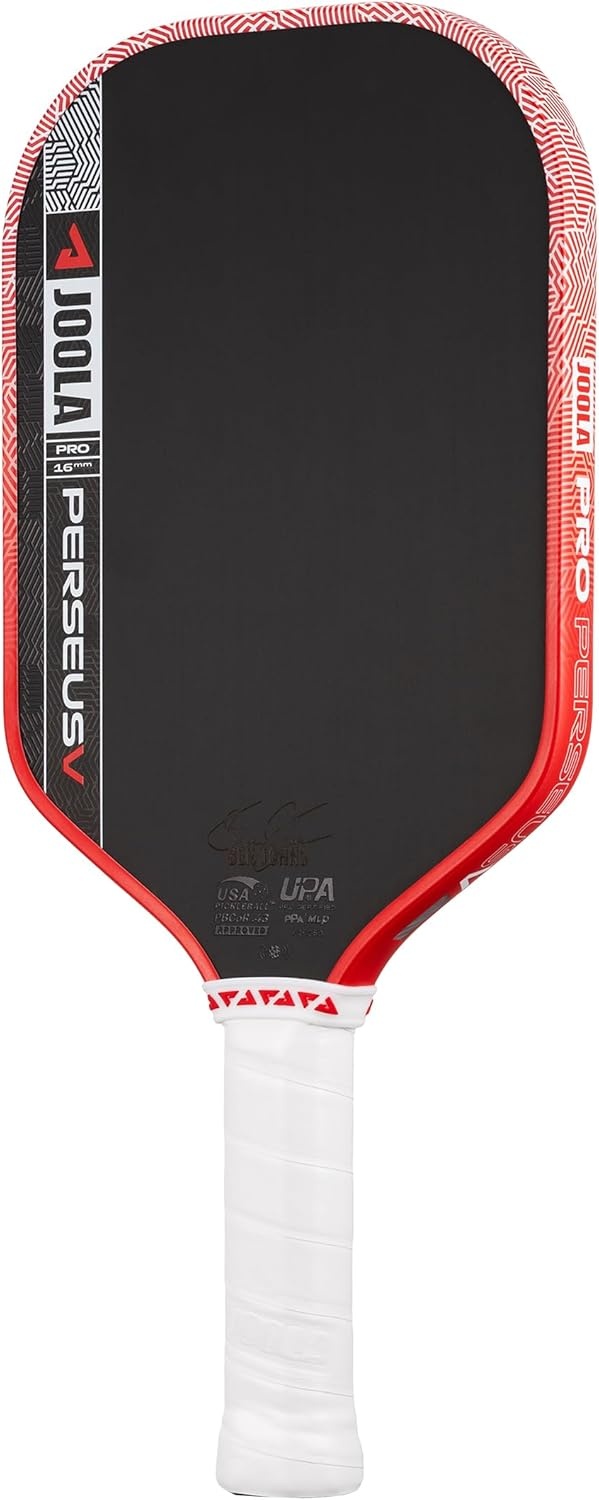
JOOLA Pro V Pickleball Paddle
Raw carbon fiber textured surface, 14mm and 16mm options, and both USAPA and UPA-A certification listed
Premium bracket pricing, and most recreational players will never use the control it offers
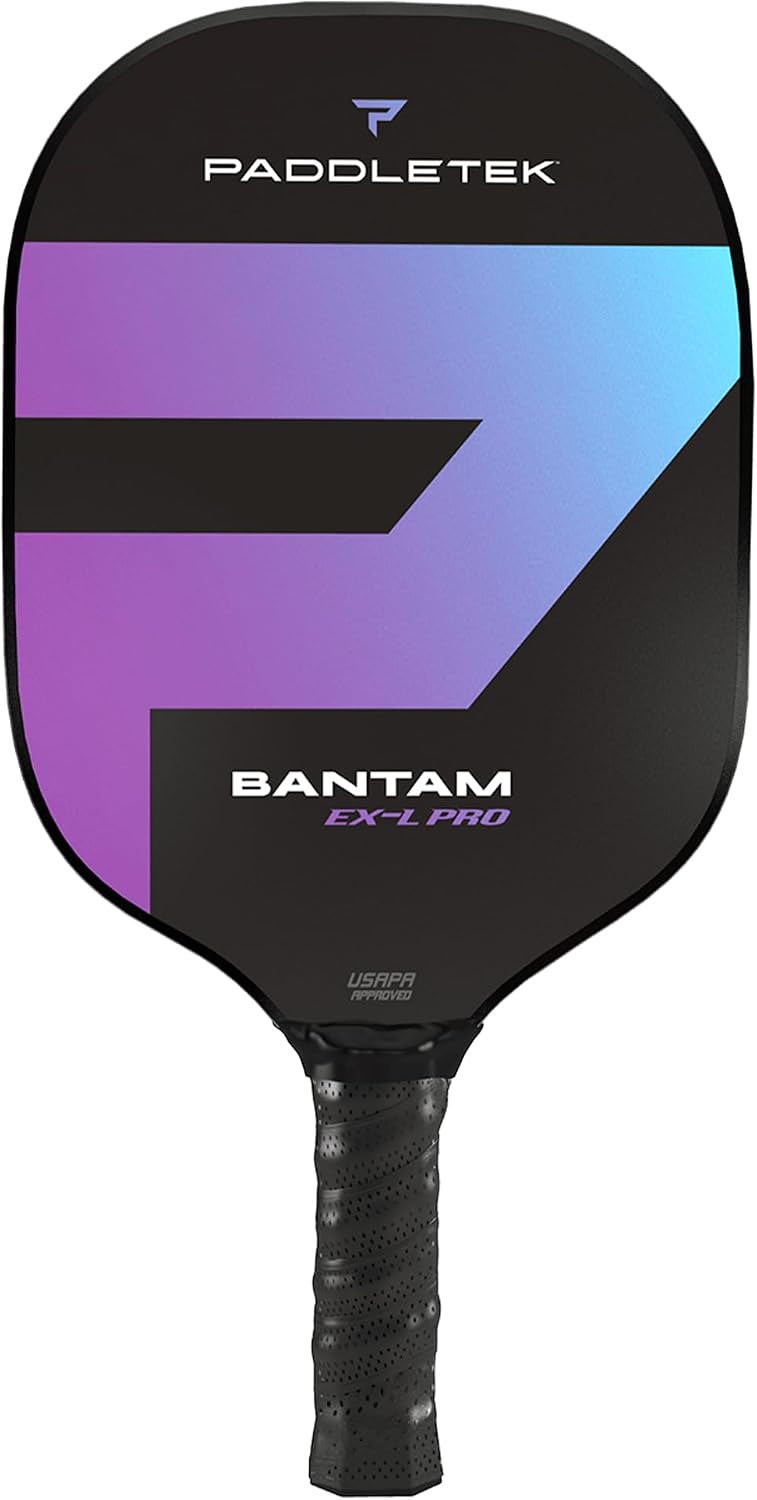
Paddletek Bantam EX-L Pro Pickleball Paddle
Honeycomb core with the Bantam SRT core, velvet textured polycarbonate face, high tack grip, USAPA approved
Polycarbonate texture is a different feel than raw carbon, and the "Pro" name adds nothing but a bigger sticker
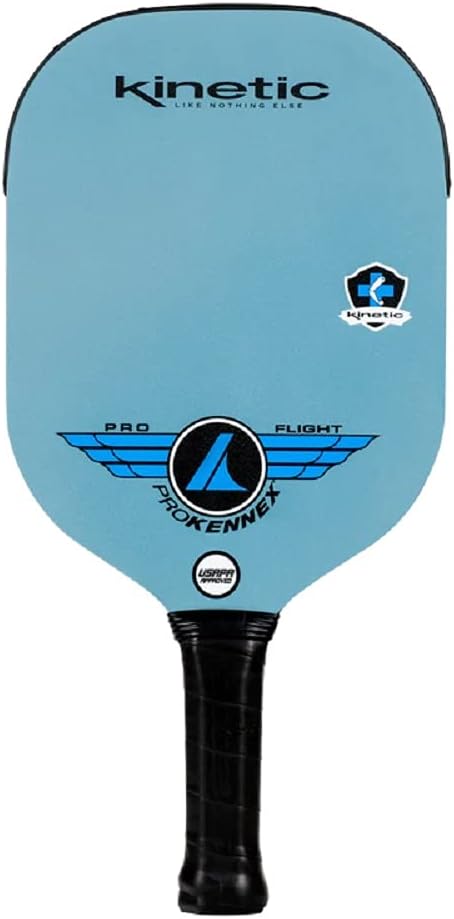
PROKENNEX Pro Flight Pickleball Paddle
A recognizable racquet-sport name at the low-commitment end of the market
The listing gives me almost nothing to work with, so I would not buy it sight unseen
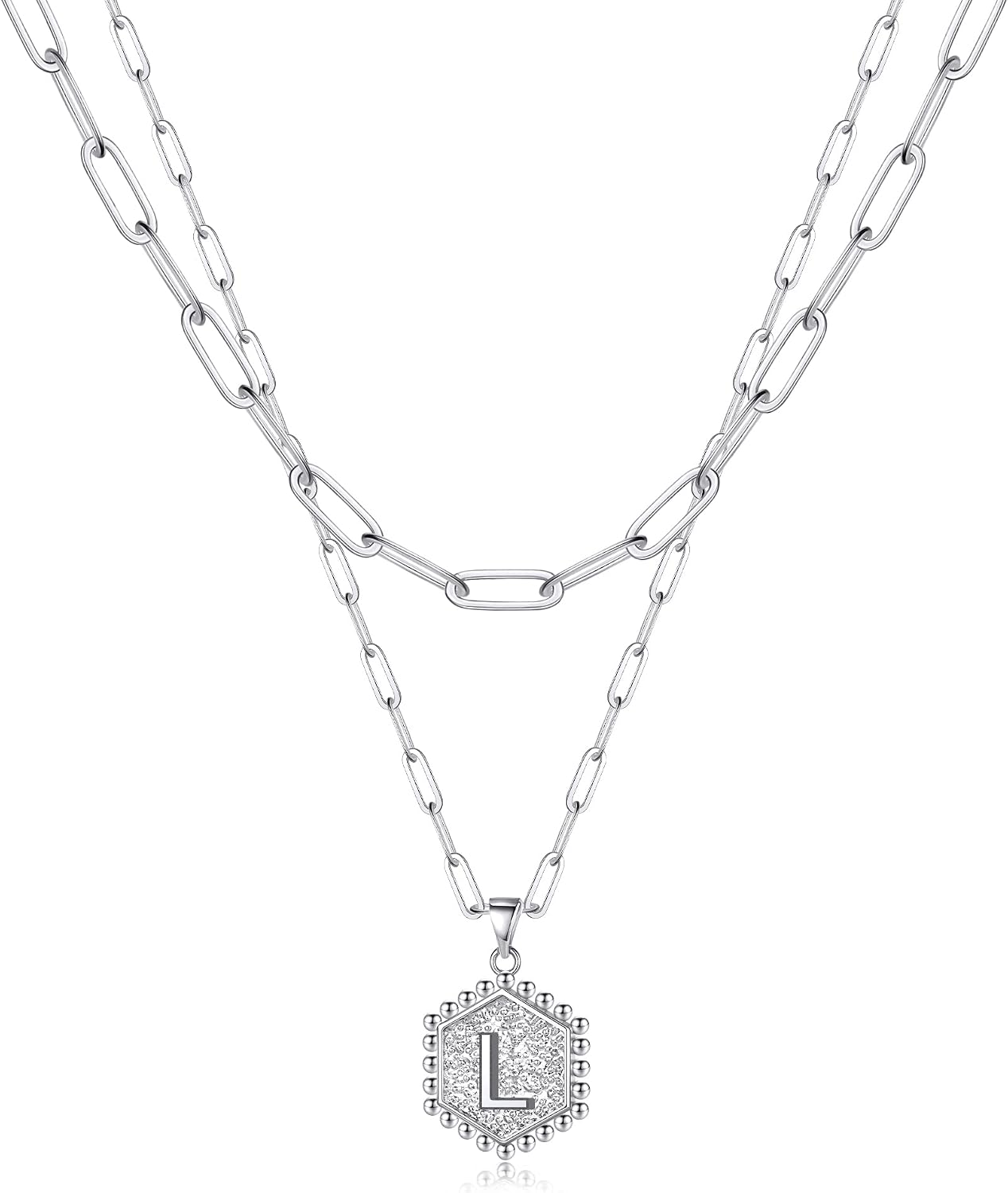
M MOOHAM Dainty Initial Necklace
14K gold plated, hexagon letter initial, layers well, and it is a genuinely easy gift
It is jewelry. It has no core, no face texture, and no place in a paddle ranking
Prices and availability were captured from Amazon Creators API and may change.
How I sort paddles at the demo table
I ask four questions before I look at a price tag, and I ask them in this order.
First, does the face still have texture after three months of doubles? Face texture is the single most common thing that wears off, and a paddle that spins like a dream in week one and plays like a cutting board in week eight is a failed product no matter how good that first session felt.
Second, where is the sweet spot, and how big is it? I would rather hand a player a paddle with a huge, forgiving sweet spot and moderate power than a cannon with a sweet spot the size of a quarter. Sweet spot size beats raw power for about nine out of ten players I coach, and it is not close.
Third, does the edge guard catch the ball on low resets? You find this out in a drill, not on a product page. An edge guard that snags turns a routine reset into a pop-up, and in doubles that is a point.
Fourth, does the grip survive a Florida summer? High humidity destroys cheap grip tape, and a slick handle changes your swing without you noticing.
Price comes fifth. It matters, but it matters after those four questions, not before.
JOOLA Pro V: premium control, and you are paying for it
The JOOLA Pro V lists a raw carbon fiber textured surface, a choice of 14mm or 16mm core thickness, an enhanced frame and propulsion core, USAPA and UPA-A certification, and an NFC chip for verification. That is a real spec sheet, not a marketing page with a paddle on it.
The thickness choice is the part I would actually think about. A 14mm core gives you a faster hand at the kitchen line, which matters in fast exchanges where the ball is on you before your feet are set. A 16mm core gives you a softer face and more dwell time, which is what you want if your game is built on dinks, resets, and third-shot drops. If you cannot describe your own game in those terms yet, you are buying the wrong end of this table.
The NFC chip is fine. It is a verification feature, and I like anything that makes it easier to confirm a paddle is what the seller claims it is, because I have seen players buy "USAPA approved" paddles that arrived with no approval anywhere on them. Certification listed on the page is the starting point, not the finish line. Check the actual paddle when it lands.
Where I push back is the bracket itself. The premium tier is where pro sponsorships get paid for, and a big chunk of that price is the name on the throat. The raw carbon face and the dual thickness options are the honest parts. The rest is brand tax, and if you are a 3.0 player, that tax is buying you nothing you can feel.
Paddletek Bantam EX-L Pro: the mid-price paddle most players should start with
The Bantam EX-L Pro lists a honeycomb core, the Bantam SRT core, a velvet textured polycarbonate surface, a high tack performance grip, and USAPA approval. This is the one in the table I would hand to a friend who plays three times a week and wants to stop borrowing a club paddle.
The feel question is the important one here. A velvet textured polycarbonate face is a softer, more muted hit than raw carbon. Some players love that, because it takes the edge off a hard-hit ball and makes blocking feel controllable. Others want the crisper pop of a carbon face. Neither is wrong, and neither is "better," which is why core density numbers mean nothing without the same player swinging both paddles back to back.
The high tack grip is a real consideration in a humid climate. Grip is the cheapest thing on a paddle to replace and the most common reason a paddle feels wrong after a month. If your handle goes slick, buy tape before you buy a new paddle.
About the "Pro" in the name: ignore it. Pro model markup is one of the worst deals in this sport, and the label on the throat does not change the core. What matters here is that the specs land in the part of the market where you still get a live core and a forgiving face without paying for a tour player's contract.
PROKENNEX Pro Flight: the low-commitment option
I want to be straight with you about this one. The listing gives me a name and almost nothing else. No core thickness, no face material, no weight. I am not going to invent specs to fill the space, and I am not going to pretend I know how it plays.
What I can tell you is who this category is for. ProKennex has been in racquet sports for a long time, and a paddle with a name like that at the entry end of the market is usually aimed at the player who plays twice a month, wants something recognizable, and does not want to think hard about it. That is a legitimate buyer. It is just not the same buyer as the one reading a raw carbon spec sheet.
If this is the one you are considering, do the thing I tell everyone: buy from a seller with a real return window, hit with it for a week against the same partner, and pay attention to whether the ball comes off the face the way you expect on blocks. If the listing will not tell you what is inside, your hand has to.
The gold plated necklace in a paddle comparison
The M MOOHAM initial necklace is a 14K gold plated layering piece with a hexagon letter pendant. It is not a paddle. It has no core, no face, and no swing weight, and I am not going to pretend otherwise to fill out a table.
It is here because it arrived in the same product set as the paddles, and the honest way to handle that is to say so. If you want a small gift for the partner who tolerates your 6 a.m. court time, or for a junior player on your team who just had a birthday, it does that job well and it layers with other chains. Buy it for that. Do not buy it expecting spin.
What the specs actually tell you
Thermoformed versus non-thermoformed is the only real technology story in paddles over the last three years. Everything else on a product page is a variation on core thickness and face material, dressed up with a new word.
Core thickness is the spec I trust most, because it maps directly to a playing style. Thinner cores play faster and stiffer. Thicker cores play softer and more forgiving. That is it. There is no secret sauce that changes that trade-off.
Face texture is the spec that decays. Raw carbon texture and polycarbonate texture both wear, just at different rates and in different patterns. A textured face is worth having, and it is also the first thing to check on a paddle that is three months old.
Certification is the spec people get wrong most often. A paddle listed as USAPA approved and a paddle that arrives approved are two different things, and I have watched players find that out the hard way at a tournament desk. Verify before you register, not after.
What none of these specs tell you is how the paddle feels in your hand on a low block with a strong hitter across the net. That is the whole game, and it is why I keep telling my members to stop buying off highlight videos.
Should you demo before you buy?
Yes, and I say that knowing most people will not. So here is the compromise.
Buy from a seller with a return window you actually understand, then give the paddle a full week of real play before you decide. Not ten minutes against a wall. A week of doubles, against the same people, on the same courts. If your resets get worse and your hand feels slow, the paddle is wrong for you even if every review on the internet says it is the best thing ever made.
The other option is the one I built at my club: a demo program with a dozen paddles members can check out for a weekend. It costs less than one premium paddle and it has talked more people out of bad purchases than any review I have written.
And a note on lessons. If you are choosing between a premium paddle and four lessons, take the lessons. The paddle market is 90 percent marketing and 10 percent graphite, and the fastest way to get better at this sport is still a coach standing next to you telling you to stop popping the ball up.
What I'm watching next
Two patterns I expect to keep running. Thermoformed construction will become standard at every price point within two years, and once that happens the marketing will move to core materials and start the cycle again. Watch the used market for the hype paddles from last season selling at half price. That tells you what actually held up and what was a launch campaign with a paddle attached.
The other pattern is the one that never changes: the recreational majority keeps winning with mid-price, durable paddles and a big sweet spot. That is where I would put my money, and it is where the Bantam EX-L Pro sits in this comparison.
Demo first, verify the certification when it arrives, and replace the grip tape before you replace the paddle. That advice has saved my members more money than any spec sheet ever will.